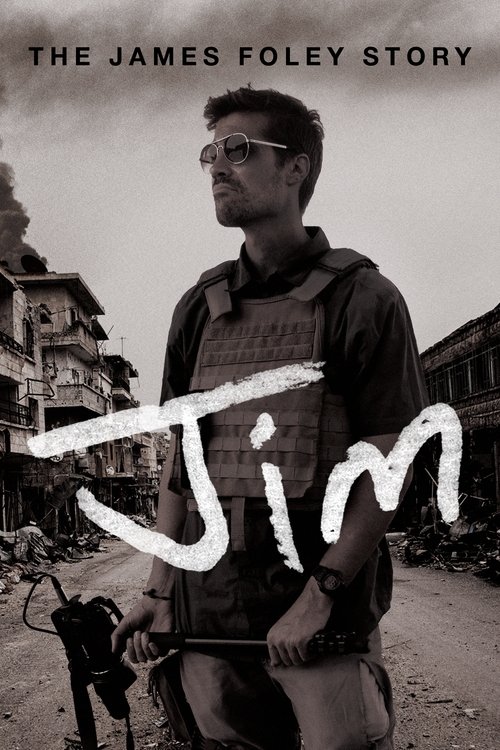
Jim: The James Foley Story
2016
No user ratings available yet
Diversity score: 5.2 out of 10
2016
TV-PGDirector
Steven Grandison
Runtime
41 minutes
Average Rating
No ratings yetSynopsis
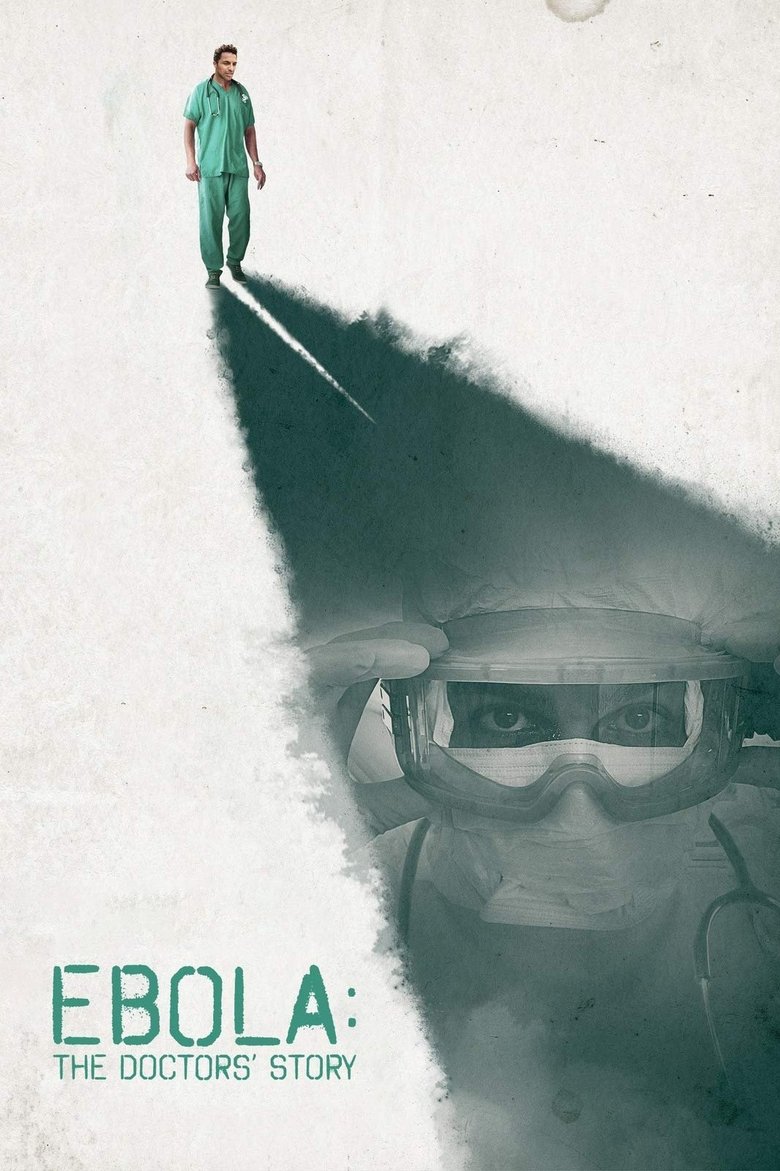
Join Dr. Javid Abdelmoneim, a British emergency response doctor, inside a Doctors Without Borders Ebola treatment center in Kalilahun, Sierra Leone as the epidemic escalated dramatically in fall 2014. Attached to the doctors’ goggles, cameras designed to enter the “hot zone” of the facility reveal for the first time the realities of battling an unprecedented outbreak. Dr. Abdelmoneim, along with local and international colleagues, fights for the survival of his patients, and helps families reunite or cope with overwhelming loss.
Overall Score
Fair
Category Breakdown
LGBTQ+ Representation
The documentary focuses strictly on the clinical and humanitarian realities of a medical emergency. There is no discernible presence of LGBTQ+ identities or non-heteronormative relationship dynamics.
Gender Representation
Male and female medical professionals are shown exercising high levels of agency and leadership in high-stress zones. The film presents a meritocratic view of expertise that includes significant female participation.
Racial & Ethnic Diversity
The film integrates the agency of local West African medical staff and the affected population. It avoids the 'savior' trope by highlighting the essential role of local expertise and community resilience.
Religious & Cultural Diversity
The narrative focuses on secular, scientific, and humanitarian imperatives rather than Western-centric moralities. It portrays the struggle of the local population as a systemic battle against a biological catastrophe.
Disability Representation
Representation is primarily incidental, focusing on the physical toll of the virus. It provides a raw look at acute physical impairments caused by the epidemic while treating victims with dignity.
Strengths
Areas for Improvement
AI Analysis
The film succeeds as an observational documentary that disrupts traditional Western-centric humanitarian reporting. By centering both international and local medical responders, it challenges conventional hierarchies of expertise and provides a nuanced view of global cooperation. Its primary strength lies in its depiction of racial and ethnic diversity, specifically through the inclusion of West African agency. This prevents the narrative from falling into simplistic tropes often found in crisis journalism. However, the film's scope is narrow, focusing almost exclusively on the epidemiological response. This results in a lack of representation regarding LGBTQ+ identities and intentional disability narratives.
2016
2016
2014
2021

2022

2006
2015
2013

2009
2021
2021
2017
No reviews yet. Be the first to share your thoughts on this movie!
Use the rating form above to leave a star rating and optional review.