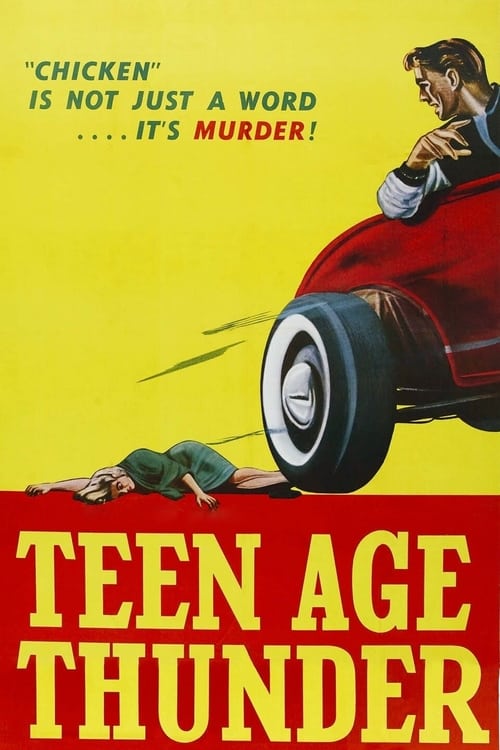
Teenage Thunder
1957
No user ratings available yet
Diversity score: 2.2 out of 10
No Poster Available
1944
ApprovedDirector
Richard L'Estrange
Runtime
55 minutes
Average Rating
No ratings yetSynopsis
Teen-Age is another "exposé" film of the 1940s, cheaply made but widely distributed. In the guise of a warning against wartime juvenile delinquency, the film offers the exploitational tale of a bunch of wild, unsupervised kids at large in a small community. With nothing but time on their hands, the young protagonists become involved with petty theft, inevitably leading to some pretty serious consequences.
Overall Score
Limited
Category Breakdown
LGBTQ+ Representation
The film lacks any evidence of non-heteronormative identities or queer narratives. It adheres to the strict heteronormative standards typical of 1944 juvenile delinquency dramas.
Gender Representation
The narrative focuses on unsupervised youth, a trope that often centers on male-driven delinquency. Female characters are likely relegated to traditional domestic or reactionary roles.
Racial & Ethnic Diversity
The film appears to reflect the homogeneous social structures of its era. It relies on standard depictions of white, middle-class or working-class youth within a small community.
Religious & Cultural Diversity
The story reinforces traditional Western institutions like family and legal authority. It treats anti-social behavior as a deviation to be corrected by established social orders.
Disability Representation
There is no mention of characters with visible or invisible disabilities. No evidence exists to support a representation score in this category.
Strengths
Areas for Improvement
AI Analysis
Teen Age functions as a traditional moralistic drama designed to uphold mid-century social norms. The film utilizes the 'exposé' genre to deliver a cautionary tale regarding juvenile delinquency, prioritizing the reinforcement of existing social hierarchies over any meaningful disruption of power dynamics. The narrative structure follows a predictable trajectory from petty theft to serious consequences, serving as a warning against anti-social behavior. This approach views delinquency as a personal failing to be corrected by the state or family rather than a systemic issue. Ultimately, the film lacks intersectional depth. It relies on the homogeneous and rigid social frameworks characteristic of 1944 cinema, offering little representation for marginalized identities or non-traditional perspectives.
1957
1947
1959
1957

1957
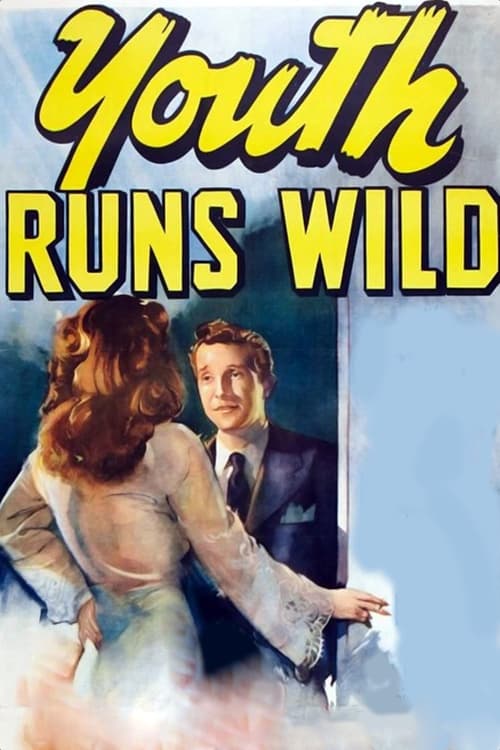
1944
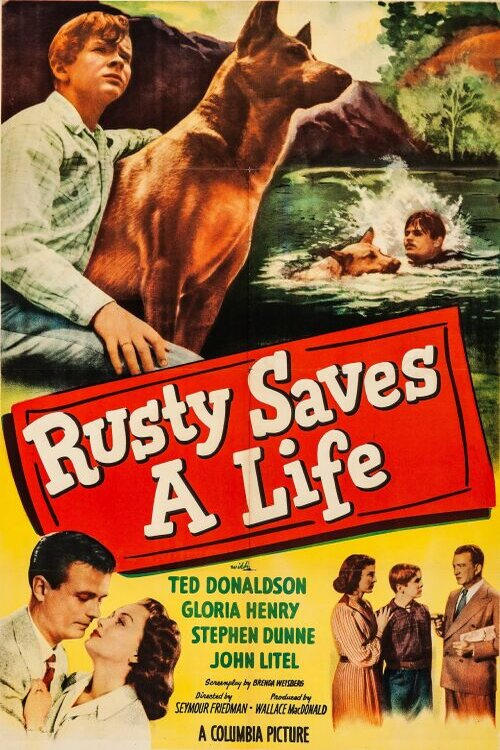
1949
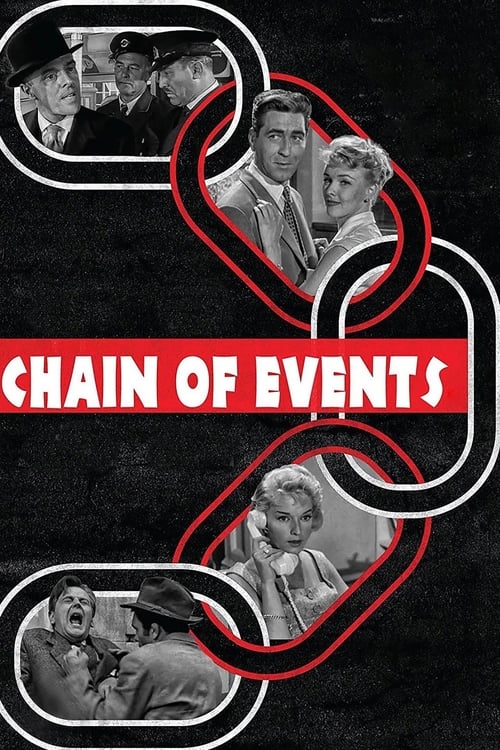
1958
1976
1937
1939
1962
No reviews yet. Be the first to share your thoughts on this movie!
Use the rating form above to leave a star rating and optional review.