
Begum Jaan
2017
No user ratings available yet
Representation score: 6.3 out of 10
Representation Score
Limited
2010
Director
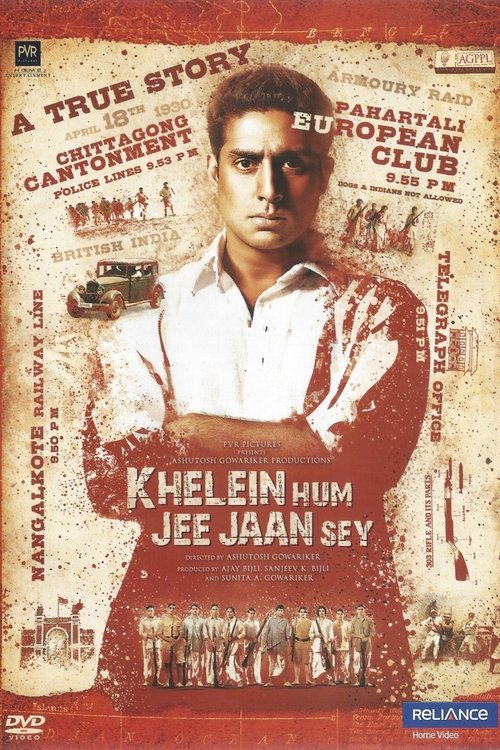
Ashutosh Gowariker
Runtime
183 minutes
Average Rating
No ratings yetNew Showbiz Analysis
The film excels at deconstructing Western imperial hegemony by centering non-Western ability to act in the struggle for decolonization. It successfully challenges the 'civilizing mission' clichés often found in colonial historical dramas. However, the narrative structure is heavily skewed toward a traditional masculine hierarchy. Leadership and physical ability to act are concentrated among male protagonists, leaving women in secondary roles. While the film is a powerful exploration of post-colonial identity, it lacks visibility regarding LGBTQ+ identities and disability representation.
Category Breakdown
The film focuses on the historical realities of the 1940s independence movement. It does not depict any non-binary gender identities or same-sex relationships.
The narrative centers on male-driven revolutionary action and camaraderie. Women primarily play traditional supporting roles as romantic interests or family anchors, rather than as political agents.
The film disrupts Eurocentric clichés by centering an Indian cast in their struggle against British rule. It effectively frames the Indian population as the central protagonists.
The story functions through a strong post-colonial lens, critiquing Western imperial institutions. It portrays the British Raj as an inherently oppressive systemic force.
There are no prominent depictions of physical or neurodivergent disabilities that drive the narrative or serve as central character arcs.
Present on Screen
Limited or Absent
Official Synopsis
1930, British India: In the province of undivided Bengal lies the sleepy, peaceful port of Chittagong. In this unassuming little town a revolution is about to begin; a revolution which will forever wake all of Chittagong and inspire the entire nation.
2017
2019
1985

2007

2018
2020
2023
1981
No reviews yet. Be the first to share your thoughts on this movie!
Use the rating form above to leave a star rating and optional review.