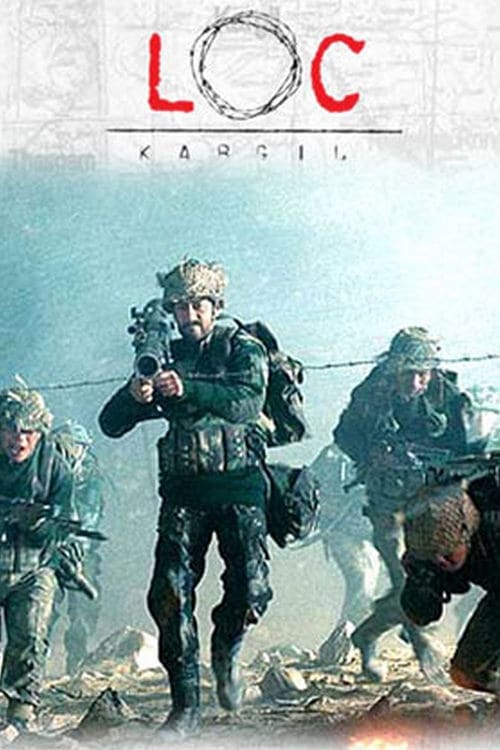
LOC: Kargil
2003
No user ratings available yet
Representation score: 2.4 out of 10
Representation Score
Minimal
1997
Not RatedDirector
J. P. Dutta
Runtime
176 minutes
Average Rating
No ratings yetNew Showbiz Analysis
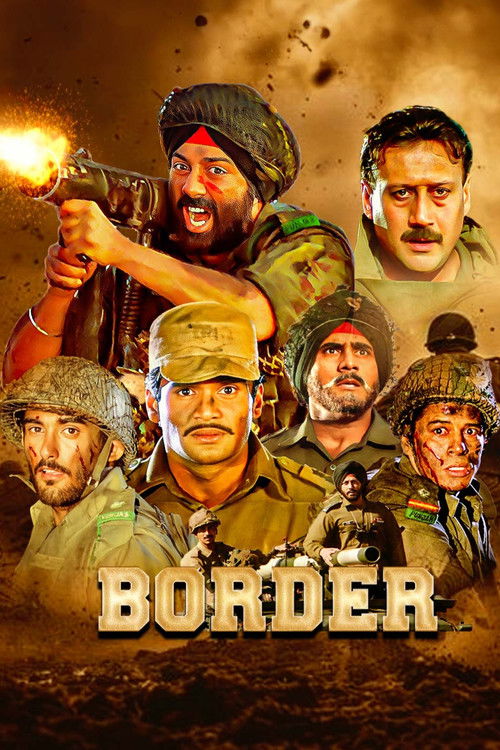
Border is a traditionalist epic that prioritizes state sovereignty and military duty over social deconstruction. It celebrates institutional stability by using the Battle of Longewala to foster a sense of collective national identity through shared sacrifice. The film reinforces existing hierarchies rather than challenging them. Masculinity is defined by stoicism and leadership, while women are relegated to supporting roles that reinforce traditional gender archetypes. While the film achieves internal diversity by showing soldiers from various ethnic backgrounds, it does so to promote a unified national identity. It lacks any meaningful representation of LGBTQ+ identities or individuals with disabilities.
Category Breakdown
The film focuses on male camaraderie and traditional domestic roles, offering no representation of LGBTQ+ identities or non-assuming gender matches what was assigned at birth perspectives.
Men hold almost all the power within a rigid military hierarchy, while women are limited to supportive roles in the domestic sphere. Women play secondary roles that reinforce traditional gender archetypes.
The film portrays a multi-ethnic contingent of Indian soldiers to symbolize national unity. However, it presents a homogeneous version of identity defined by the state, lacking diverse representation.
The film emphasizes patriotism and the sanctity of the nation-state, reinforcing a singular, righteous moral framework. Religious elements are used to bolster morale and reinforce national unity.
There is no engagement with disability or neurodivergence. Characters are defined solely by the physical capabilities required for combat and military service.
Present on Screen
Limited or Absent
Official Synopsis
Amidst the 1971 Indo-Pak war, a company of 120 Indian soldiers stationed at the border region of Longewala in Rajasthan must defend their post through the night against two thousand Pakistani troops armed with tanks. Based on the true events of the Battle of Longewala.
2003
1964
2019

2020
2021

2020
2018
2017
No reviews yet. Be the first to share your thoughts on this movie!
Use the rating form above to leave a star rating and optional review.