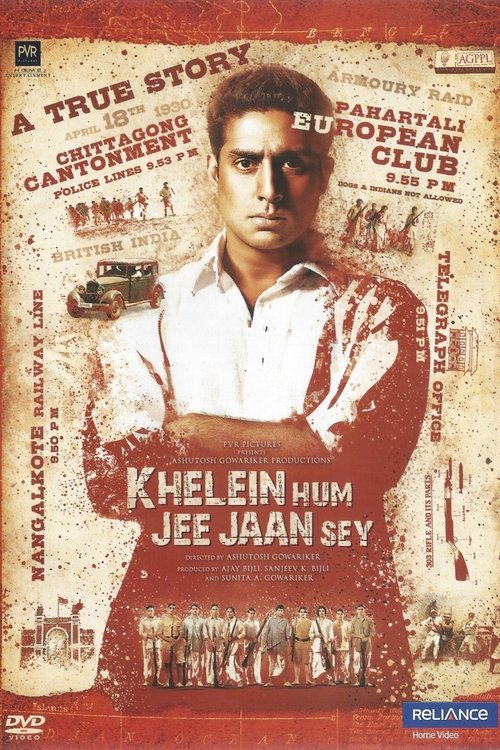
Khelein Hum Jee Jaan Sey
2010
No user ratings available yet
Representation score: 3.2 out of 10

Representation Score
Good
2017
RDirector
Srijit Mukherji
Runtime
128 minutes
Average Rating
No ratings yetNew Showbiz Analysis
Begum Jaan is a powerful subversion of traditional social hierarchies, using the historical trauma of the Partition to explore human ability to act. The film excels by centering women as active disruptors of patriarchal control rather than passive victims of history. While the film offers a sophisticated critique of communal and religious institutions, it remains focused on heterosexual dynamics. This limits its exploration of LGBTQ+ identities, keeping the narrative scope centered on gendered autonomy. Ultimately, the work succeeds as a progressive historical drama. It moves beyond simple inclusion to provide a robust critique of the systemic oppression that defines its setting.
Category Breakdown
The film emphasizes heterosexual autonomy and reclaiming personal control. It does not include clear examples of non-traditional gender identities or same-sex relationships.
Begum Jaan highlights women as key disruptors of male-dominated social control. The narrative challenges the idea of submissive females, presenting women as the main drivers of the plot.
Set during the Partition of India, the film delves deeply into Bengali identity. It centers a localized experience rather than a Western-centric perspective.
The narrative questions traditional institutional morality by depicting communal and religious structures as oppressive. It positions individual desires as a valid counter-narrative to strict authority.
There is no significant depiction of visible or invisible disabilities within the narrative.
Present on Screen
Limited or Absent
Official Synopsis
On the eve of Independence, the chairman of the Border Commission, Sir Cyril Radcliffe decides to divide India and Pakistan into equitable halves. What the administration doesn’t account for is the line running through the middle of Begum Jaan’s brothel situated plonk on the border; with one half falling in India and the other in Pakistan.
2010
2017
2015
2019

2019
2016
1985
2023
No reviews yet. Be the first to share your thoughts on this movie!
Use the rating form above to leave a star rating and optional review.