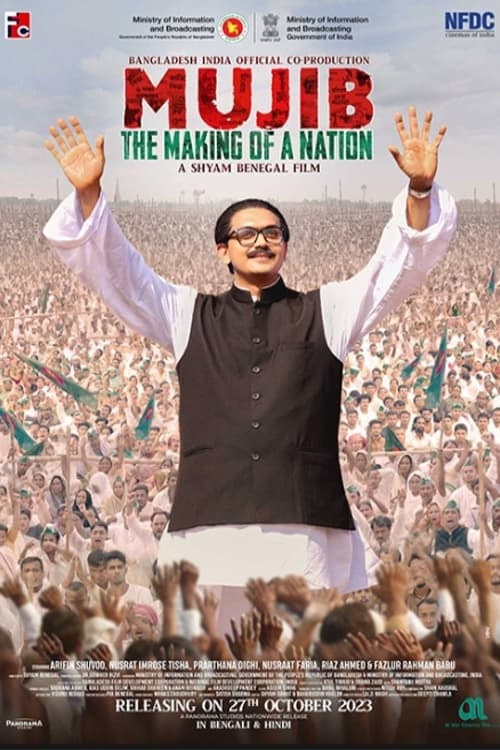
Mujib: The Making of a Nation
2023
No user ratings available yet
Representation score: 3.2 out of 10
Representation Score
Good
2005
Director
Shyam Benegal
Runtime
208 minutes
Average Rating
No ratings yetNew Showbiz Analysis
Shyam Benegal’s direction offers a nuanced, anti-colonial perspective that shifts ability to act from the colonial administrator to the colonized subject. The film excels at deconstructing Western-centric historical frameworks through its focus on the struggle for sovereignty. However, the film lacks engagement with LGBTQ+ or disability representation. While it challenges traditional gender roles through the depiction of female military resistance, the central power structures remain largely traditional.
Category Breakdown
The film does not include any LGBTQ+ characters or explore non-straight relationships. It focuses on the historical political and military events of the mid-20th century.
The inclusion of the Rani of Jhansi Regiment provides a meaningful challenge to traditional gender roles. Female combatants play a significant role in driving the story, showing ability to act and challenging conventional gender norms.
The narrative centers around a non-Western protagonist and features a predominantly South Asian cast. It highlights the ability to act of colonized peoples against the British Raj, effectively deconstructing Western dominance.
The film emphasizes self-determination and critiques Western imperial institutions. It portrays the independence movement as a multifaceted struggle involving various religious and socioeconomic groups.
There is no significant focus on characters with visible or invisible disabilities. The narrative prioritizes political and military maneuvering over issues related to disability.
Present on Screen
Limited or Absent
Official Synopsis
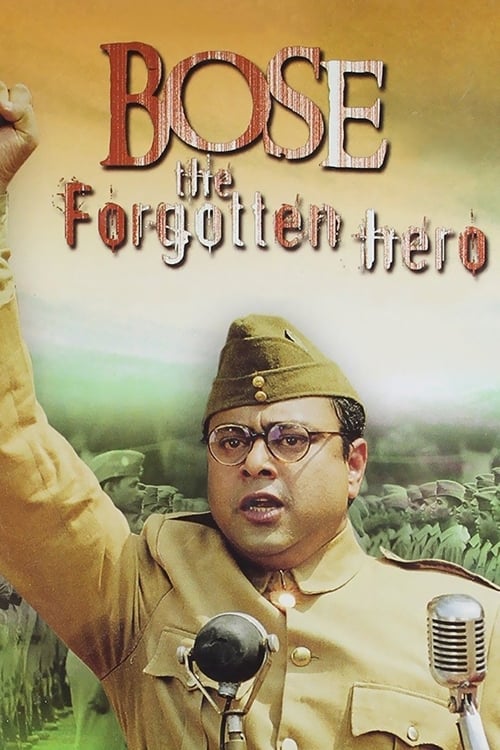
After resigning from the presidential post of the Indian National Congress, Subhas Chandra Bose plays an important role in India's freedom struggle during World War II.
2023

1951
2002

1966
2005

2009

2012
2010
No reviews yet. Be the first to share your thoughts on this movie!
Use the rating form above to leave a star rating and optional review.