
Onechanbara: The Movie - Vortex
2009
No user ratings available yet
Representation score: 5.3 out of 10
Representation Score
Good
2000
Director
Daisuke Yamanouchi
Runtime
60 minutes
Average Rating
No ratings yetNew Showbiz Analysis
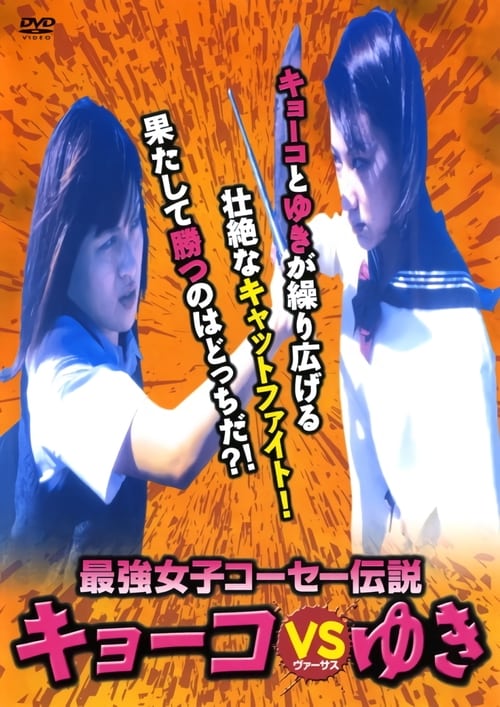
Kyoko vs. Yuki stands out through a narrative structure that centers on women's ability to drive the story and non-straight identities. By placing a lesbian character and a highly skilled female combatant at the heart of a violent conflict, the film avoids traditional hierarchies that often sideline such identities. While the film excels in challenging gender and LGBTQ+ clichés, it remains a culturally specific Japanese production. The absence of multi-ethnic casting results in a more homogeneous cultural setting typical of its time. Ultimately, the work uses extreme violence to explore identity-driven conflict, moving away from conventional cinematic norms to focus on visceral, individual struggles.
Category Breakdown
The film includes a lesbian character who plays a key role in the main conflict. Her identity is central to the plot rather than a minor subplot.
Women play a significant role in driving the story. The film challenges passive stereotypes by showing women as skilled combatants and the primary sources of violence.
The production focuses on a localized Japanese cultural perspective. There is no indication of multi-ethnic or color-blind casting in this regional genre work.
The story emphasizes personal survival and intense interpersonal conflicts. This focus suggests a deconstruction of traditional social orders and moral frameworks.
There is no documented evidence regarding the portrayal of physical or neurodivergent disabilities in this film.
Present on Screen
Limited or Absent
Official Synopsis
Two Japanese girls (one of them is a schoolgirl trained to be killer and another one is a lesbian) fighting with each other with incredibly bloody results.
2009

1995

2014

2009

1990

2018
1990

2012
No reviews yet. Be the first to share your thoughts on this movie!
Use the rating form above to leave a star rating and optional review.