Fighter
2007
No user ratings available yet
Representation score: 6.7 out of 10
Representation Score
Excellent
2014
TV-MADirector
Koichi Sakamoto
Runtime
118 minutes
Average Rating
No ratings yetNew Showbiz Analysis
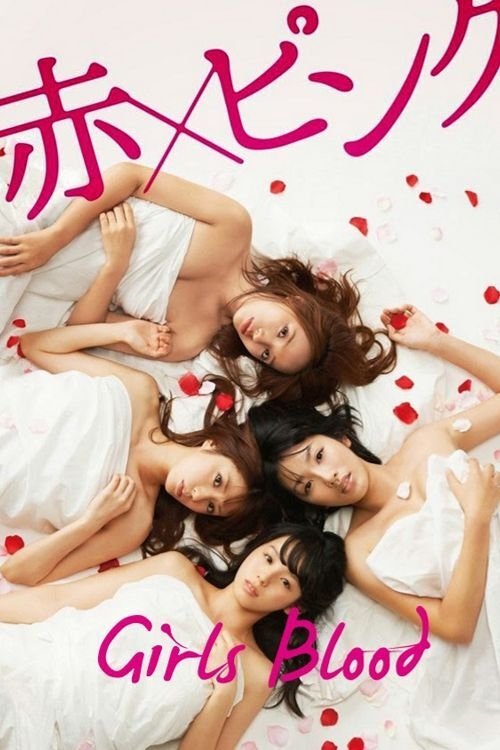
Girl's Blood challenges typical action genre clichés by emphasizing the personal traumas and layered identities of its female protagonists. The film goes beyond mere spectacle to explore how characters navigate life on the margins of conventional society. The narrative stands out in its depiction of women's ability to drive the story and gender non-conformity. By centering characters who reject traditional domestic hierarchies or challenge the gender binary, the film offers a platform for complex, autonomous storytelling. However, the film remains focused on a specific Japanese urban setting, resulting in a lack of racial and ethnic diversity. This limits the breadth of its social commentary.
Category Breakdown
The film focuses on Satsuki, a character dealing with gender identity issues. This portrayal challenges the assumption that everyone is straight or cisgender by highlighting internal struggles within a high-stakes environment.
Women play prominent roles in the underground fighting circuit, showcasing their physical strength and autonomy. The narrative emphasizes their ability to escape oppressive domestic situations.
The cast appears to be predominantly Japanese, reflecting the local social dynamics of the urban setting. While the film does not feature a diverse range of ethnicities, it avoids harmful racial stereotypes.
The story critiques mainstream social institutions by presenting the protagonists within an illegal underground subculture. Their rebellion reflects both personal and systemic issues.
While there are no explicit physical disabilities, the film explores internal psychological experiences through Satsuki's gender identity. These themes are central to her character development.
Present on Screen
Limited or Absent
Official Synopsis
Four girls take part in illegal underground fighting event "Girl's Blood" held at an abandoned school building in Roppongi every night. The girls have their own stories and quirks from their private lives. Satsuki (Yuria Haga) suffers from a gender identity disorder, Chinatsu (Asami Tada) ran away from an abusive husband, Miko (Ayame Misaki) is a S&M queen and Mayu (Rina Koike) has a Lolita face.
2007
2000
2012

2014

2016
2016
1970

2014
No reviews yet. Be the first to share your thoughts on this movie!
Use the rating form above to leave a star rating and optional review.