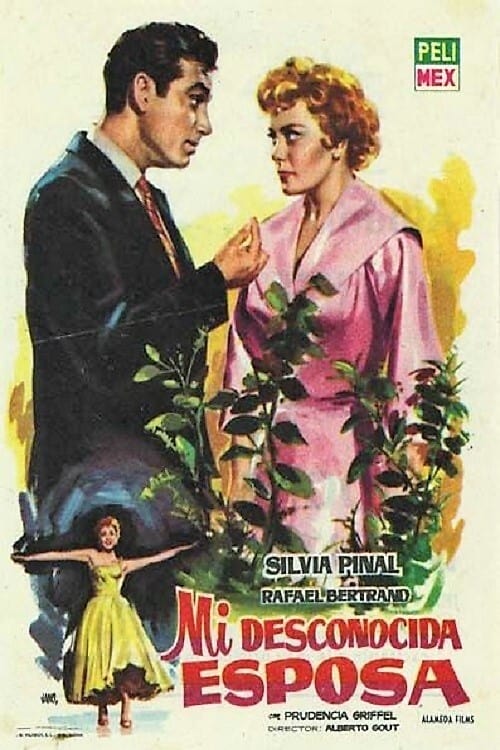
Mi desconocida esposa
1958
No user ratings available yet
Representation score: 2.5 out of 10
Representation Score
Limited
1953
Director
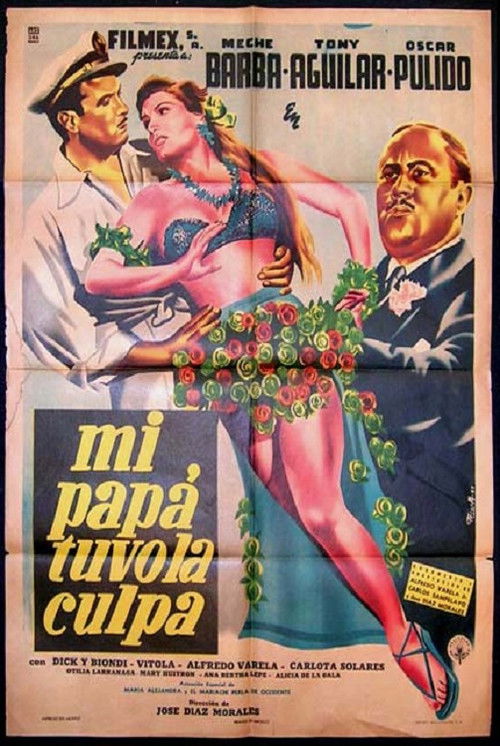
José Díaz Morales
Runtime
90 minutes
Average Rating
No ratings yetNew Showbiz Analysis
Mi papá tuvo la culpa is a mid-century social drama that explores the tension between personal desires and established social structures. Its main strength lies in its deconstruction of the traditional family unit through a plot involving mistaken identity and biological illegitimacy. However, the film is limited by the constraints of its time, offering little in the way of modern characters who reflect more than one aspect of diversity. The narrative remains rooted in the homogenous social dynamics typical of 1950s Spain. Ultimately, while the film challenges the sanctity of lineage and paternal authority, it does not actively engage with diverse identities or broader social inclusivity.
Category Breakdown
The story focuses on a heterosexual relationship and does not include any queer themes or non-cisgender identities.
The film follows traditional gender roles of the 1950s. However, the protagonist's status as an illegitimate daughter critiques the unstable position of women in patriarchal structures.
Reflecting the 1953 Spanish production context, the film appears to focus on a homogeneous demographic. There is no indication of intentional racial blending or diverse casting.
The narrative challenges idealized Western family portrayals by focusing on illegitimacy. The title suggests a critique of paternal authority and traditional lineage systems.
The synopsis does not mention any characters with physical or neurodivergent disabilities.
Present on Screen
Limited or Absent
Official Synopsis
Two young sweethearts get married, and then are made to believe that she's his illegitimate half-sister.
1958

1992
1944
1948
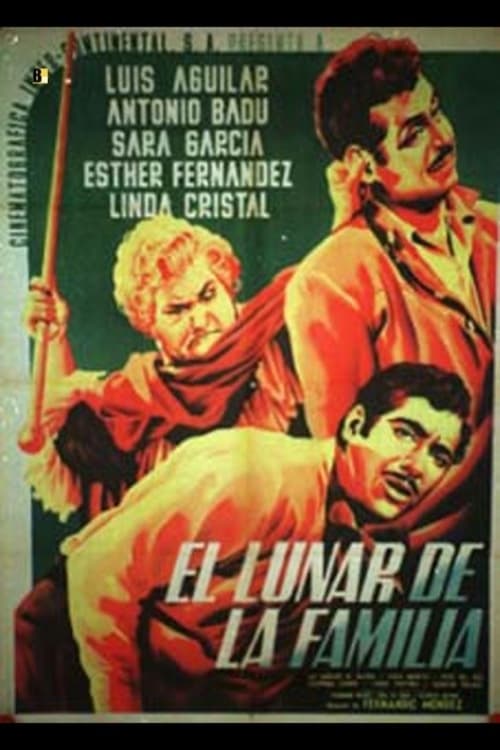
1953
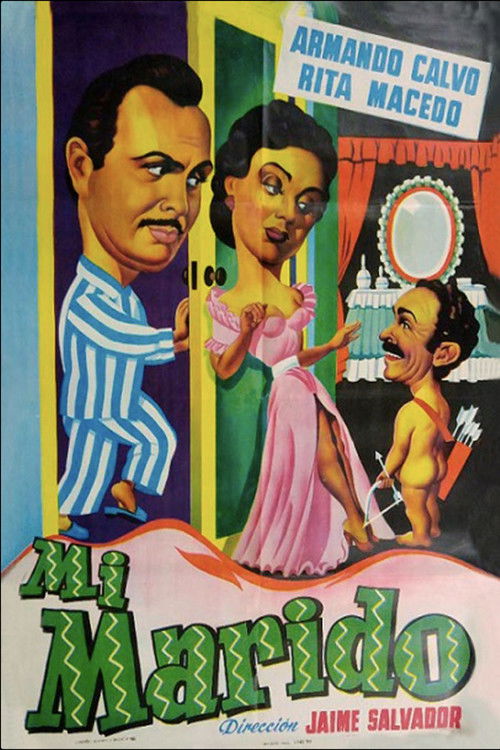
1951
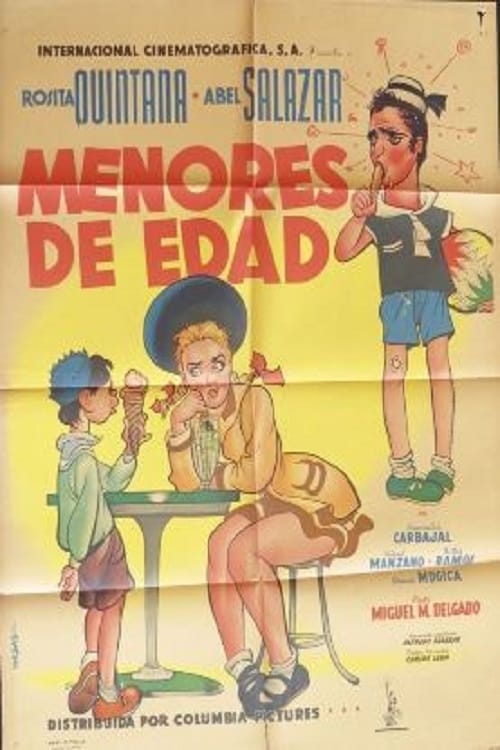
1951
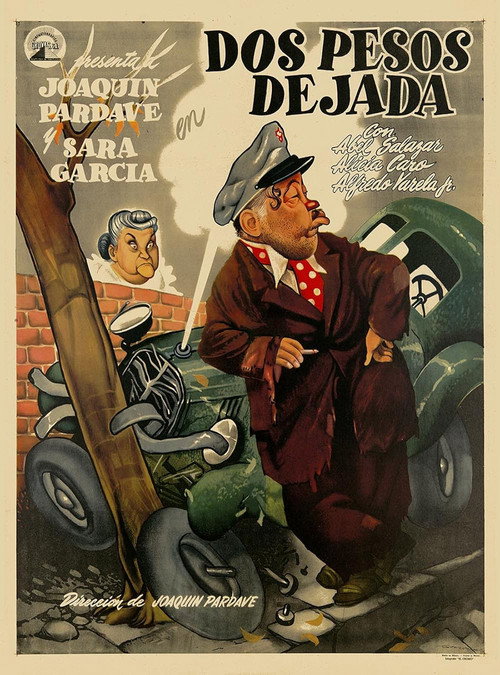
1949
No reviews yet. Be the first to share your thoughts on this movie!
Use the rating form above to leave a star rating and optional review.