
I Don't Know You and I Love You
1934
No user ratings available yet
Representation score: 2.0 out of 10
Representation Score
Limited
1939
Director
Géza von Bolváry
Runtime
97 minutes
Average Rating
No ratings yetNew Showbiz Analysis
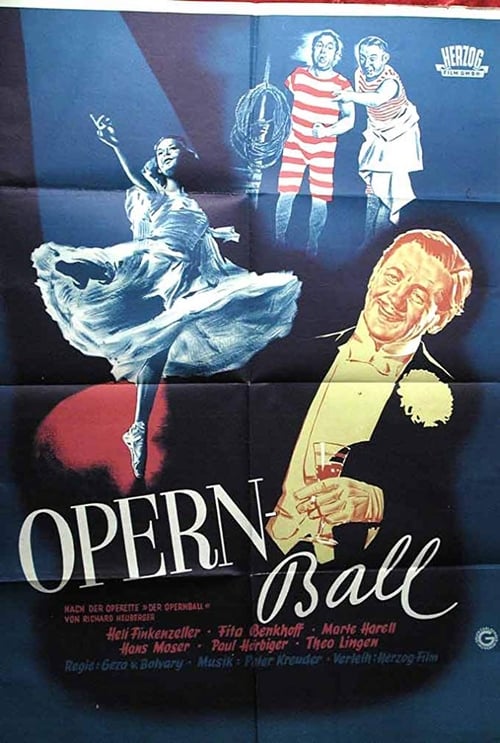
Opernball is a period comedy that celebrates the elegance of late 19th-century Vienna. It adheres strictly to the comedic structures of the operetta genre, prioritizing high-society escapades and mistaken identities. The film reinforces the social hierarchies and traditional gender roles of its historical setting. Instead of challenging these norms, the narrative maintains established social structures and classical comedic formulas. Consequently, the work lacks diverse representation and progressive themes, focusing on the homogeneous cultural milieu of the Viennese aristocracy.
Category Breakdown
The film focuses on traditional romantic tensions and situational comedy. It does not include any non-conforming gender identities or stories that challenge the assumption that everyone is straight or cisgender.
Gender roles are defined by traditional marital structures and social propriety. The plot centers on husbands and the social maneuvering typical of the operetta genre.
The setting reflects the homogeneous social landscape of the Austro-Hungarian upper class. There is no indication of diverse casting or challenging ethnic norms.
The narrative celebrates an idealized version of Western European high culture. It prioritizes social cohesion and the enjoyment of traditional Viennese institutions.
The synopsis contains no mention of characters with visible or invisible disabilities. There is no evidence of their inclusion in the narrative arc.
Present on Screen
Limited or Absent
Official Synopsis
After the operetta of the same name of Richard Heuberger in 1890-1914 all kinds of situation comic from happy-go-lucky Vienna of the turn of the century, the time of the first cars and the absurd bath costumes: Husbands in the Chambre Separee, her little dizziness and mistake plays, the tumultuous whirl of a grand ball... - A high-spirited comedy at considerable entertainment level.
1934
1938
1929

1952
1936
1955
1936
1958
No reviews yet. Be the first to share your thoughts on this movie!
Use the rating form above to leave a star rating and optional review.