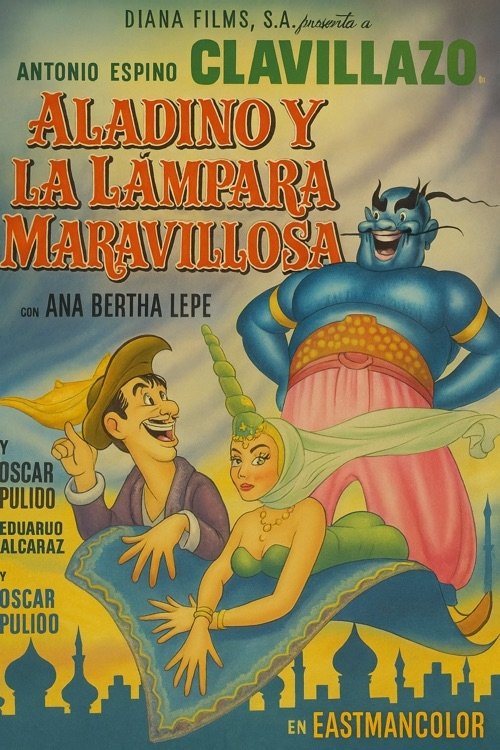
Aladdin and the Marvelous Lamp
1958
No user ratings available yet
Representation score: 2.1 out of 10
Representation Score
Minimal
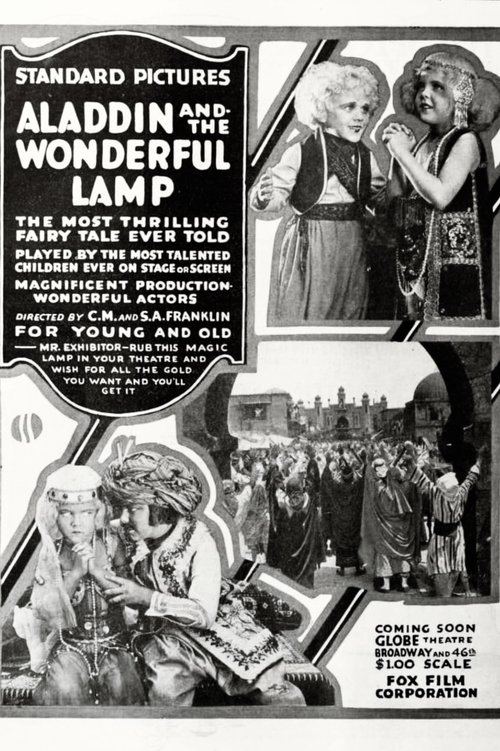
1917
NRDirector
Chester M. Franklin, Sidney Franklin
Runtime
80 minutes
Average Rating
No ratings yetNew Showbiz Analysis
This 1917 production is a product of early Hollywood's foundational structures, prioritizing traditional archetypes and Western-centric storytelling. The film reinforces established social hierarchies through a linear, heroic journey that lacks multi-layered complexity. While the setting is culturally distinct, it is framed through a conventional lens that emphasizes exoticism over authenticity. The narrative focuses on a protagonist's rise from poverty to wealth via magical intervention, adhering to aspirational storytelling norms of the era.
Category Breakdown
The film follows a strictly straight-centered path centered on Aladdin's pursuit of Princess Badr al-Budur. There are no representations of LGBTQ+ identities or same-sex relationships.
Male characters drive the plot as Aladdin navigates peril and status. While the Princess rejects a suitor, she remains a figure to be rescued rather than a primary agent.
The setting uses a stylized Middle Eastern backdrop common to early Hollywood. It likely relies on Orientalist clichés that exoticize the culture for a Western audience without providing authentic depth.
The story functions within a folkloric framework of magic and myth. It celebrates upward mobility through wealth and status rather than offering a critique of social or cultural institutions.
The narrative contains no depictions or mentions of physical or neurodivergent disabilities.
Present on Screen
Limited or Absent
Official Synopsis
In Bagdad, Princess Badr al-Budur, the daughter of the Sultan, falls in love with Aladdin, the son of a poor tailor, and rejects the suit of evil alchemist al-Talib, her father's choice. Al-Talib consults his Evil Spirit, who advises him to find the magic lamp hidden in an underground cave. Unable to get it himself, al-Talib hires Aladdin, who secures the lamp but keeps it when he realizes al-Talib's wickedness. With wealth obtained through wishes, Aladdin courts the princess. After the lamp changes hands between al-Talib and Aladdin, al-Talib steals it and abducts the princess to the desert. Aladdin follows with only a gourd of water. Suffering from thirst and exhaustion, Aladdin nearly succumbs, but the horsemen of the Sultan, who learned of his daughter's abduction, ride up and rescue Aladdin.
1958
1940
1959
1924
1906
1975

1990
1948
No reviews yet. Be the first to share your thoughts on this movie!
Use the rating form above to leave a star rating and optional review.