1001 Arabian Nights
1959
No user ratings available yet
Representation score: 0.7 out of 10
Representation Score
Limited
1948
ApprovedDirector
Robert McKimson
Runtime
7 minutes
Average Rating
No ratings yetNew Showbiz Analysis
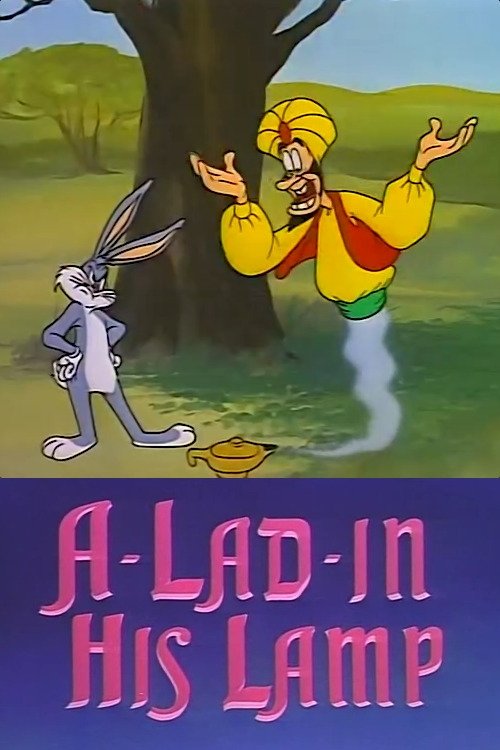
This 1948 short follows the typical comedic structure of the Looney Tunes era, emphasizing slapstick humor and character archetypes over social complexity. While it places the protagonist in a fantasy setting, the narrative stays rooted in mid-century Western perspectives. The film leans heavily on established clichés, especially the Orientalist portrayal of Baghdad. This setting serves as a backdrop for comedic subversion rather than a nuanced look at Middle Eastern culture. Overall, the production reflects the storytelling norms of its time, focusing on disrupting authority figures through chaos rather than exploring diverse characters or cultural nuances.
Category Breakdown
The film does not include any characters with non-binary genders or same-sex relationships. It follows traditional assumptions about gender and sexuality typical of its time.
The story revolves around a conflict between Bugs Bunny and Mad Man Hassan, both male characters. It emphasizes a battle of wits between male stereotypes without questioning traditional gender roles.
The film sets the story in a Baghdad that reflects Orientalist stereotypes common in 1940s cartoons. Characters of color have limited roles and are used primarily for comedic effect without much depth.
The plot draws from Western interpretations of Middle Eastern folklore. The conflict is driven by individual antics and slapstick humor rather than religious or cultural traditions.
The film does not feature any characters with visible or invisible disabilities playing a central role in the story.
Present on Screen
Limited or Absent
Official Synopsis
Bugs Bunny finds and rubs Aladdin's lamp and decides to follow the genie to Baghdad, where they battle Mad Man Hassan.
1959
1939
1964
1933
1958
1954
1945
1951
No reviews yet. Be the first to share your thoughts on this movie!
Use the rating form above to leave a star rating and optional review.