
Ali Baba and the Forty Thieves
1972
No user ratings available yet
Representation score: 3.9 out of 10

Representation Score
Fair
1990
Director
Philippe de Broca
Runtime
98 minutes
Average Rating
No ratings yetNew Showbiz Analysis
Philippe de Broca’s adaptation highlights the intellectual ability to act of its female protagonist. By focusing on Sheherazade’s ability to disrupt systemic violence through storytelling, the film challenges traditional patriarchal power structures. However, the film’s reliance on Orientalist genre clichés limits its exploration of ethnic or cultural complexity. Ultimately, the film prioritizes gendered subversion over broader characters who reflect more than one aspect of diversity, staying within the realm of classical fantasy.
Category Breakdown
The film follows traditional romantic and gender roles without featuring same-sex relationships or non-cisgender identities.
Sheherazade is a strong female character who uses her intelligence to challenge and overcome a patriarchal system. She actively shapes her fate and ensures her survival.
The film sets its story in a stylized Middle Eastern environment but focuses more on Orientalist aesthetics than on detailed ethnic or cultural diversity.
The narrative criticizes absolute monarchical power through the King's harsh decrees. It stays rooted in folk-tale traditions, emphasizing the mythical and magical elements.
The film does not prominently feature physical or neurodivergent disabilities that affect the storyline.
Present on Screen
Limited or Absent
Official Synopsis
Sheherazade has been married to a ruler who wants many wives, but only one at a time. Consequently, as soon as he has bedded them, he has them put to death. In most retellings, the girl staves off this unfortunate conclusion by putting off the connubial event for a thousand and one nights, telling irresistible stories instead. In this one, she gets hold of a magic lamp.
1972

1974
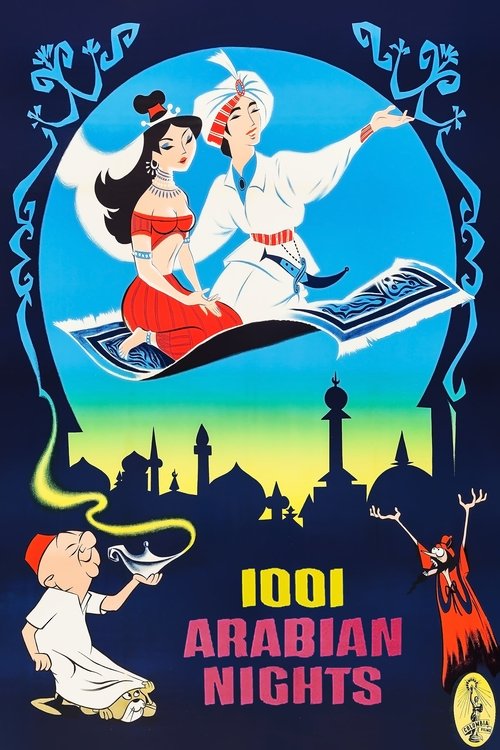
1959
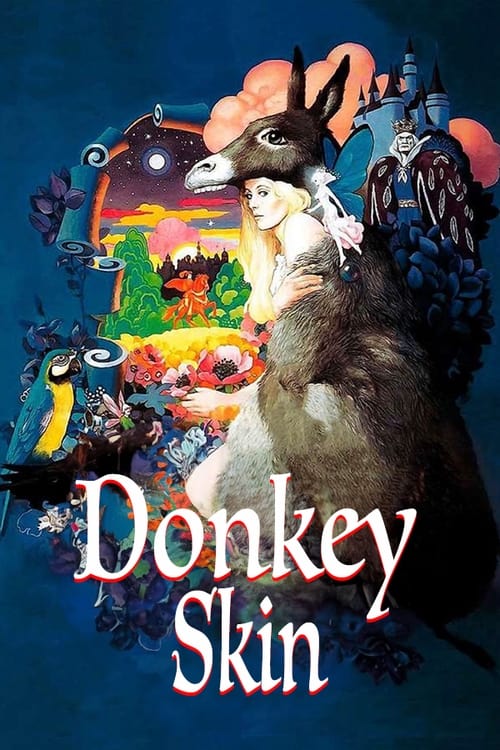
1970
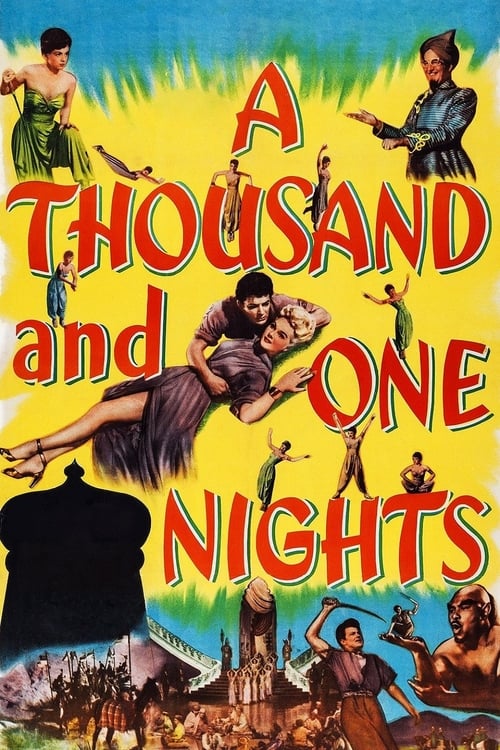
1945

2022
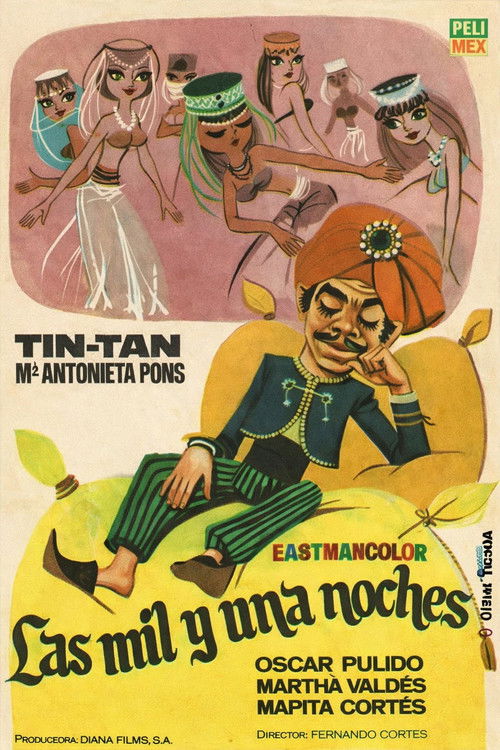
1958
1986
No reviews yet. Be the first to share your thoughts on this movie!
Use the rating form above to leave a star rating and optional review.