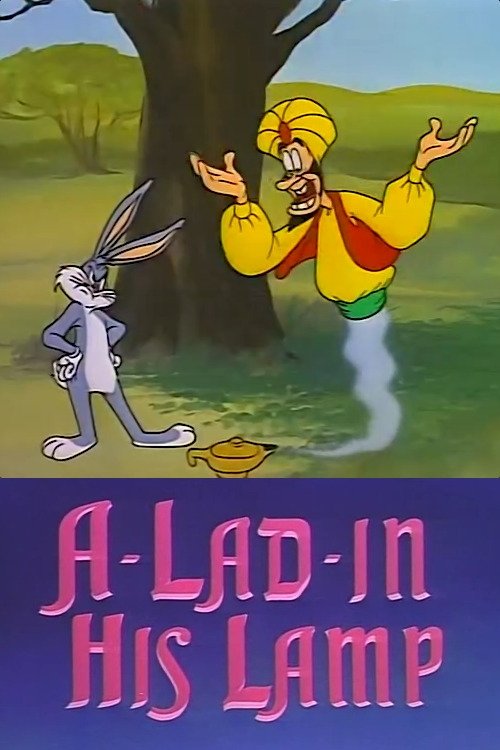
A-Lad-in His Lamp
1948
No user ratings available yet
Representation score: 2.8 out of 10
Representation Score
Minimal
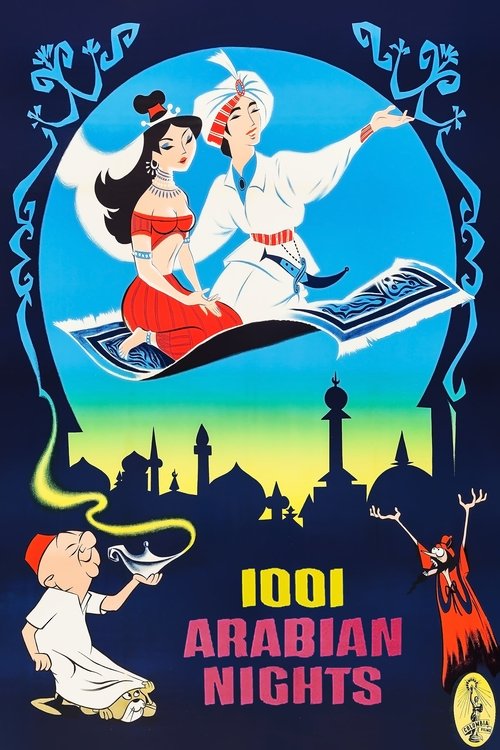
1959
Director
Jack Kinney
Runtime
75 minutes
Average Rating
No ratings yetNew Showbiz Analysis
Jack Kinney’s 1959 animation is a product of its time, emphasizing slapstick comedy and traditional fairy tale clichés over social complexity. The narrative leans on established archetypes that reinforce mid-century Western views of Middle Eastern settings. The film lacks representation of diverse identities, particularly LGBTQ+ individuals and those with disabilities. Its approach to gender and race is based on caricatured depictions and conventional hierarchies rather than nuanced storytelling. Ultimately, the work maintains a homogeneous, Western-centric view of its setting, offering limited subversion of the social structures it portrays.
Category Breakdown
The film follows a strictly heterosexual and cisgender storyline, focusing on the conventional romance between Aladdin and Princess Yasminda without representing any LGBTQ+ identities.
Female characters play minor roles, serving mainly as romantic prizes. The narrative is dominated by male characters, including the protagonist Aladdin and the antagonist Wazir.
The film uses a stylized, Western perspective to depict Middle Eastern folklore, relying on caricatured representations rather than authentic ethnic diversity.
The story upholds traditional social hierarchies and folklore clichés, presenting royalty and commoners as a natural order without questioning cultural norms.
There are no characters with physical or cognitive disabilities. The film focuses on slapstick humor without addressing disability issues.
Present on Screen
Limited or Absent
Official Synopsis
In this animated retelling of the classic tale, Abdul Aziz Magoo -- an ancestor of Mr. Magoo -- is the lamp-selling uncle of Aladdin. Tired of his nephew's laziness, Abdul insists that Aladdin find a wife. To his uncle's surprise, Aladdin falls in love with the beautiful Princess Yasminda. Before he can make his move, however, Aladdin is whisked away by the evil Wazir on a quest to find a magic lamp that will grant its owner unlimited power in the form of three magic wishes.
1948
1926
1959
1950

1990
1959
1945
1966
No reviews yet. Be the first to share your thoughts on this movie!
Use the rating form above to leave a star rating and optional review.