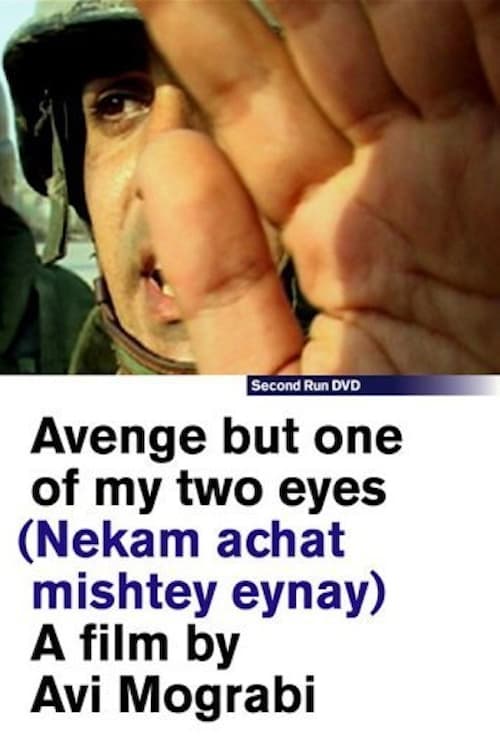
Avenge But One of My Two Eyes
2005
No user ratings available yet
Representation score: 6.8 out of 10
No Poster Available
Representation Score
Fair
2007
PG-13Runtime
73 minutes
Average Rating
No ratings yetNew Showbiz Analysis
Blood and Tears: The Arab-Israeli Conflict functions as a deconstruction of established historical narratives. By aiming to challenge long-standing myths, the documentary moves away from singular, dominant viewpoints in favor of a more complex, multi-ethnic perspective. The film’s strength lies in its potential to disrupt Eurocentric historical frameworks. It engages with the complex identities of the region, focusing on the systemic human cost of the struggle. However, the documentary lacks specific evidence regarding gender-diverse perspectives or women’s roles. Additionally, there is no indication of LGBTQ+ representation or themes. Furthermore, the film does not address disability or neurodivergence as narrative elements.
Category Breakdown
The documentary focuses on geopolitical and ethnic conflicts without addressing LGBTQ+ themes. There is no evidence of LGBTQ+ narratives within this historical framework.
Information about the gender distribution of participants or narrators is unavailable. The film’s stance on women’s roles or gender hierarchies remains unverified.
The film centers on the complexities of Arab and Israeli identities. Its aim to challenge deep-rooted myths suggests a move away from monolithic or Eurocentric perspectives.
The narrative prioritizes a nuanced, non-Western-centric view of power dynamics. It avoids simple moral or religious binaries to explore systemic complexity and human cost.
There is no evidence that disability or neurodivergence serves as a central theme or narrative device in this documentary.
Present on Screen
Limited or Absent
Official Synopsis
"Blood and Tears" explores the origin of the Arab-Israeli Conflict, and challenges many of the most deep-rooted myths we all hold about this epicenter of human conflict.
2005

2011
1974

2024

2006
2012
2003

2012
No reviews yet. Be the first to share your thoughts on this movie!
Use the rating form above to leave a star rating and optional review.