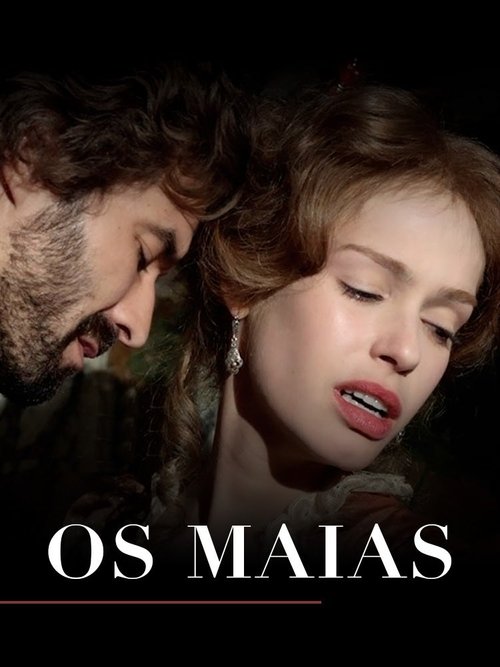
The Maias: Story of a Portuguese Family
2014
No user ratings available yet
Representation score: 5.5 out of 10

Representation Score
Good
2009
Director
Tatiana Gaviola
Runtime
87 minutes
Average Rating
No ratings yetNew Showbiz Analysis
Teresa (2009) is a character-driven historical drama that centers on women's ability to drive the story and the struggle against institutional control. The film highlights a woman who defies the patriarchal constraints of her time by occupying intellectual spaces. While the film effectively critiques oppressive religious and patriarchal institutions, it lacks explicit LGBTQ+ representation. The narrative focuses on straight-centered romantic transgressions rather than queer identities. Ultimately, the film provides a meaningful departure from traditional period pieces by offering a Latin American perspective and a protagonist whose rebellion defines her journey.
Category Breakdown
The film explores themes of forbidden desire and social transgression. While it doesn't explicitly show LGBTQ+ identities, it emphasizes personal passion over strict societal norms.
Teresa is a rebellious writer who challenges patriarchal structures. Her role in driving the plot and her intellectual autonomy subvert traditional gender roles.
Set within a Latin American context, the film moves away from Anglo-centric period drama clichés. It offers a fresh perspective by focusing on a Latin American historical narrative.
The narrative criticizes religious and family institutions as oppressive forces. It portrays the convent and family court as obstacles to individual freedom and autonomy.
There are no visible or invisible disabilities depicted within the narrative arc.
Present on Screen
Limited or Absent
Official Synopsis
Teresa Wilms Montt is a writer, a rebellious woman, tormented and beautiful. He marries at age 17 challenging family opposition. She falls in love with someone she should not and the family court condemns her to confinement in a convent. Separated from her two daughters, she escapes to Buenos Aires with Vicente Huidobro. From that flight her life becomes an exciting and tragic itinerary.
2014

2008

1990

2019

1984

2014

2017

2016
No reviews yet. Be the first to share your thoughts on this movie!
Use the rating form above to leave a star rating and optional review.