
Packed In A Trunk: The Lost Art of Edith Lake Wilkinson
2015
No user ratings available yet
Diversity score: 5.7 out of 10
2006
PG-13Director
Harry Moses
Runtime
74 minutes
Average Rating
No ratings yetSynopsis
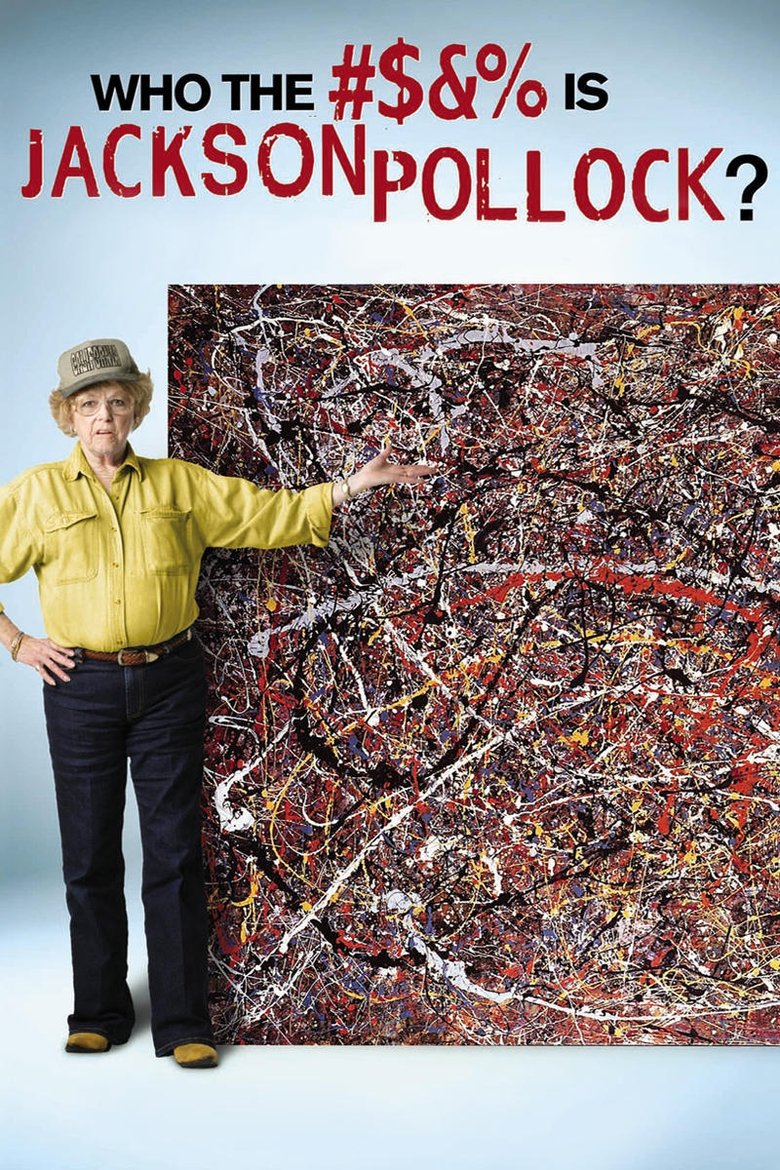
After semi-truck driver Teri Horton bought a large splatter painting for her friend for $5, she was forced to sell it in her own garage sale when her friend said she had no place for it. Eventually someone commented on the painting stating it might be an original Jackson Pollock. This documentary follows Teri, her son, and a forensics specialist as they attempt to prove to the world, or more specifically the art community, her painting is a true Jackson Pollock
Overall Score
Fair
Category Breakdown
LGBTQ+ Representation
The film provides no evidence of LGBTQ+ characters or narratives addressing heteronormativity. It maintains a neutral baseline due to this lack of visible representation.
Gender Representation
Teri Horton, a semi-truck driver, provides a nuanced depiction of female agency. Her role in a male-dominated, blue-collar occupation disrupts traditional gender hierarchies.
Racial & Ethnic Diversity
The film focuses on a specific individual's journey within a localized context. There is no explicit evidence of a non-white majority cast or intentional racial blending.
Religious & Cultural Diversity
The narrative critiques the high-art establishment and its exclusionary valuation systems. It prioritizes a working-class perspective that challenges the authority of the expert class.
Disability Representation
There is no specific evidence regarding the portrayal of physical or neurodivergent disabilities. The score remains at a neutral baseline.
Strengths
Areas for Improvement
AI Analysis
The documentary centers on a grassroots struggle for truth, pitting a working-class individual against the gatekeeping mechanisms of the art world. Its primary impact is the subversion of class-based hierarchies rather than identity-driven narratives. While the film lacks intersectional breadth, it succeeds in elevating a non-traditional protagonist. The focus remains on the tension between institutional authority and lived experience. Ultimately, the film is a study of individual agency. It avoids explicit identity politics but offers a meaningful critique of how Western institutions validate value.
2015
2020
2007

2013

2012

2014
2004

2014
2017
2017

2009

2021
No reviews yet. Be the first to share your thoughts on this movie!
Use the rating form above to leave a star rating and optional review.