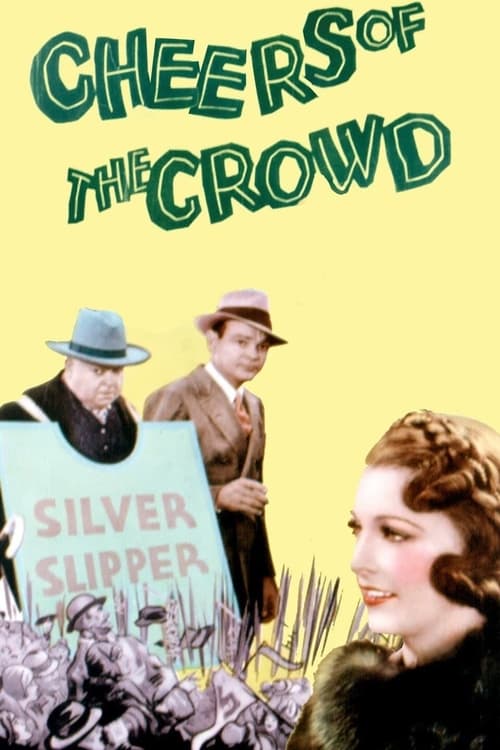
Cheers of the Crowd
1935
No user ratings available yet
Representation score: 0.8 out of 10
Representation Score
Minimal
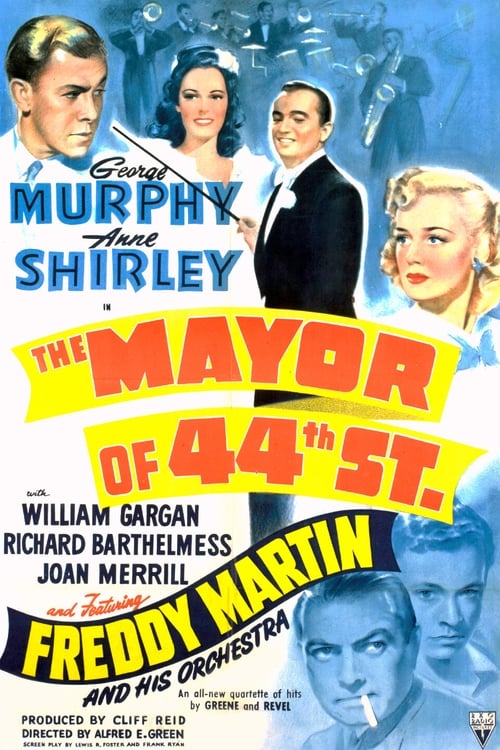
1942
NRDirector
Alfred E. Green
Runtime
86 minutes
Average Rating
No ratings yetNew Showbiz Analysis
The film operates as a standard period social drama, emphasizing traditional hierarchies and individualist morality. While the protagonist takes control by helping street children, the narrative structure upholds existing social orders rather than disrupting them. Character roles are heavily gendered, focusing on male-driven conflicts involving gangs and parolees. This reinforces mid-century archetypes of the protector and provider, leaving little room for diverse perspectives or non-traditional identities. Ultimately, the work aligns with the era's homogeneous social norms. It lacks significant representation of LGBTQ+ identities, racial diversity, or disability, functioning instead as a conventional studio-era narrative.
Category Breakdown
The film follows a traditional romantic drama format from the 1940s. There are no visible LGBTQ+ characters or narratives that challenge the assumption that everyone is straight or cisgender.
The story focuses on a male protagonist dealing with professional and social challenges. Leadership and control over the story remain centered around masculine archetypes.
The narrative reflects the homogeneous social norms of 1942. There is no evidence of a diverse or non-Anglo-Saxon majority cast within the urban setting.
Themes of community service are presented through individual acts of kindness. The plot emphasizes traditional morality and the restoration of social order, rather than critiquing Western institutions.
The film provides no depiction or mention of physical, sensory, or neurodivergent disabilities.
Present on Screen
Limited or Absent
Official Synopsis
In this drama, an ex-vaudevillian dancer opens up a dance band agency and help street kids at the same time by hiring them to help out. Unfortunately, the local gang of hood's leader resists his attempts. More trouble ensues when the dancer helps a convict gain parole by hiring him. It later turns out that the ex-con is only interested in trying to use the agency as a front for extortion. Songs include the Oscar nominated "When There's a Breeze on Lake Louise," "Your Face Looks Familiar," "Heavenly, Isn't He?" "Let's Forget It," "You're Bad For Me," and "A Million Miles From Manhattan."
1935

1958

1937

1933

1941
1929

1947
1941
No reviews yet. Be the first to share your thoughts on this movie!
Use the rating form above to leave a star rating and optional review.