I'll See You in My Dreams
1951
No user ratings available yet
Diversity score: 2.2 out of 10
1942
ApprovedDirector
Frank McDonald
Runtime
68 minutes
Average Rating
No ratings yetSynopsis
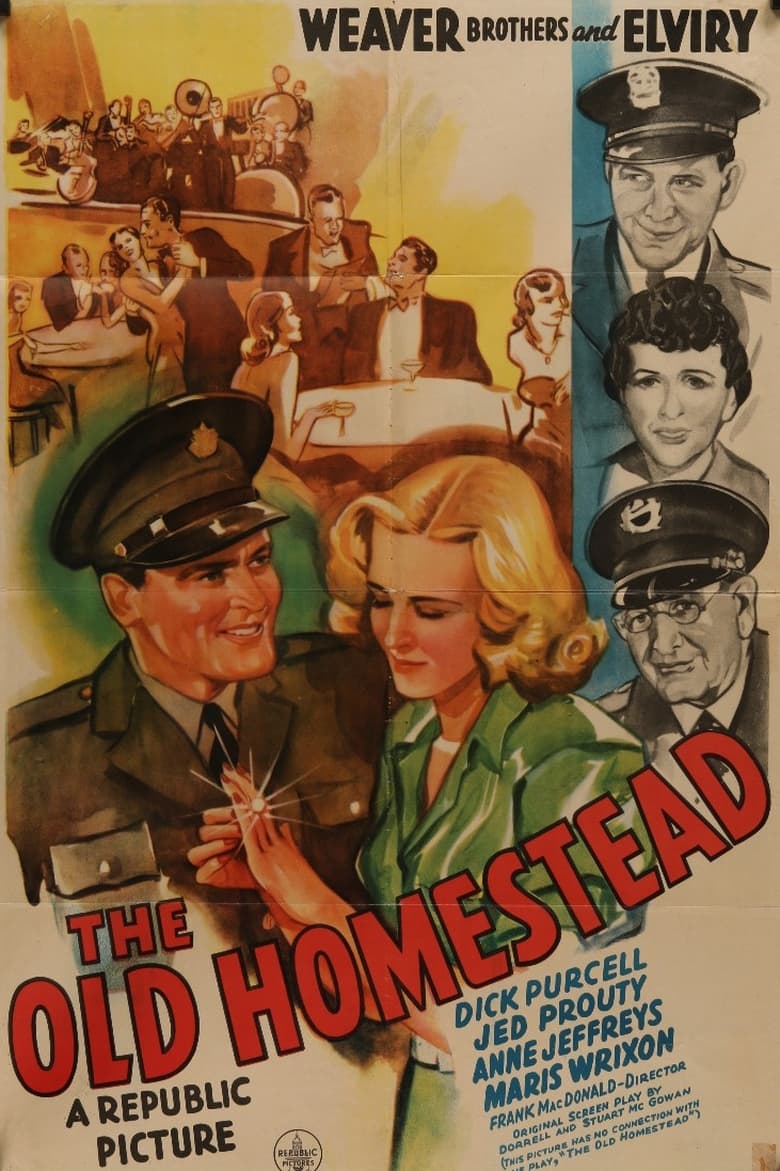
In this entry in the "Weaver Family" series, the town of Farmington is being plagued by a crime wave. The angry citizens are ready to impeach the mayor, June Weaver, and the police chief, Leon Weaver. To end the crime and preserve her career, June feigns corruption and hires a real gangster to get rid of the local mobs. Unfortunately, a bona fide crooked councilman intervenes and makes real mob connections causing an earnest journalist to launch a front page attack.
Overall Score
Limited
Category Breakdown
LGBTQ+ Representation
The film operates within the standard social mores of the 1940s. There is no evidence of non-cisnormative identities or critiques of heteronormativity.
Gender Representation
June Weaver serves as a female protagonist in a position of civic leadership. However, her agency focuses on preserving her career and the existing social order.
Racial & Ethnic Diversity
The narrative centers on a localized, homogeneous community. There is no indication of intersectional casting or non-white protagonists driving the plot.
Religious & Cultural Diversity
The story emphasizes community institutions like the mayor's office and the local press. It reinforces traditional values regarding law, order, and municipal stability.
Disability Representation
There is no information available regarding the inclusion of characters with physical or neurodivergent disabilities.
Strengths
Areas for Improvement
AI Analysis
The Old Homestead is a traditional mid-century domestic comedy-drama that prioritizes the preservation of local authority. The plot focuses on the Weaver family's reputation and the tension between civic duty and criminal interference. While the film provides visibility for women through the character of Mayor June Weaver, the narrative structure reinforces established social hierarchies rather than subverting them. The story functions as a period ensemble comedy designed to uphold the status quo of the community. Ultimately, the film reflects the production standards of 1942, focusing on a homogeneous social environment. It lacks the intersectional casting or diverse character archetypes necessary to challenge contemporary concepts of representation.
1951
1939
1943
1936
1943
1939
1940
No reviews yet. Be the first to share your thoughts on this movie!
Use the rating form above to leave a star rating and optional review.