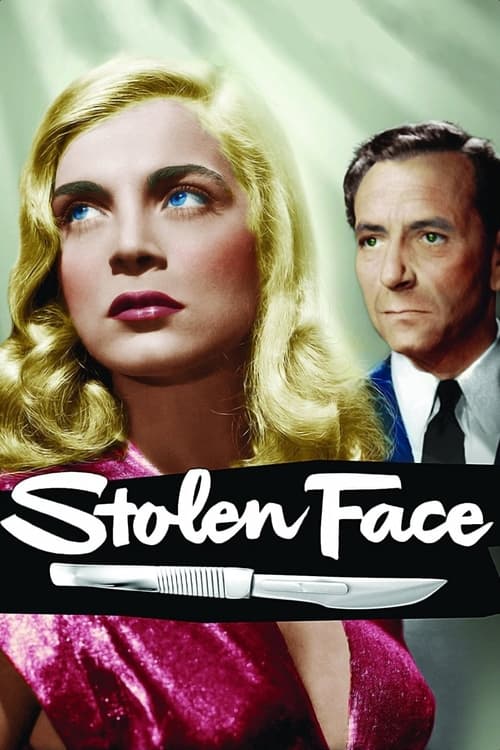
Stolen Face
1952
No user ratings available yet
Representation score: 1.9 out of 10
Representation Score
Fair
1941
NRDirector
George Cukor
Runtime
106 minutes
Average Rating
No ratings yetNew Showbiz Analysis
George Cukor’s drama centers on female empowerment and dismantles the cruelty of social morality. The protagonist faces a world where community scrutiny serves as a primary antagonist, offering a nuanced exploration of how social institutions enforce injustice. However, the film is constrained by the era's lack of diversity. The cast is overwhelmingly homogeneous, and there is no representation of LGBTQ+ identities. Despite exploring complex themes of identity and physical disfigurement, the film remains rooted in a narrow social framework. Ultimately, the film excels in its psychological depth and critique of mob mentality, though it falls short in providing a diverse range of racial or sexual identities.
Category Breakdown
There are no identifiable LGBTQ+ characters in the film. The social framework adheres strictly to traditional gender roles and heterosexual relationships typical of the 1940s.
The film highlights female resilience and empowerment, challenging traditional gender hierarchies. It passes the Bechdel test by featuring conversations between women about their social standing.
The cast is primarily composed of white actors, reflecting the limitations of the time period. There is no significant representation of racial or ethnic diversity in the small-town setting.
The film critiques the small-town moral consensus as a tool for systemic oppression. Community judgment is portrayed as a destructive force rather than a stabilizing one.
A facial scar shapes the protagonist's identity and empowerment. The film avoids the 'pitiful victim' stereotype by giving the character psychological depth and transformative potential.
Present on Screen
Limited or Absent
Official Synopsis
A female blackmailer with a disfiguring facial scar meets a plastic surgeon who offers her the possibility of looking like a normal woman.
1952
1960

1938
1960

1997
1949
1977
1961
No reviews yet. Be the first to share your thoughts on this movie!
Use the rating form above to leave a star rating and optional review.