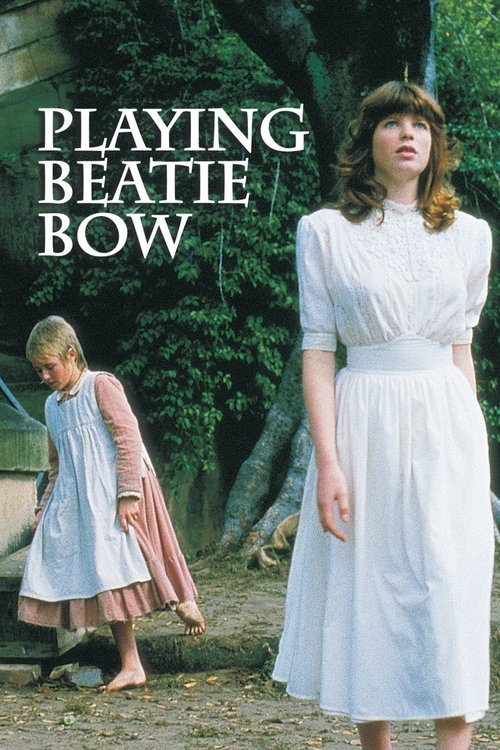
Playing Beatie Bow
1986
No user ratings available yet
Representation score: 3.5 out of 10
Representation Score
Limited
1981
Not RatedDirector
Frederick King Keller
Runtime
110 minutes
Average Rating
No ratings yetNew Showbiz Analysis
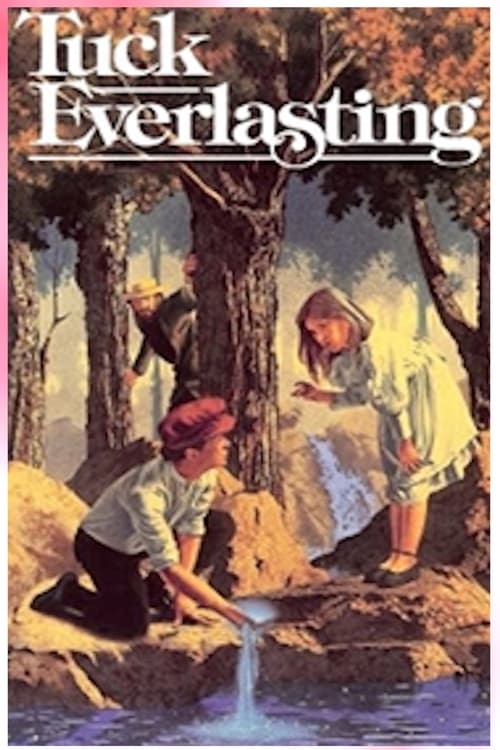
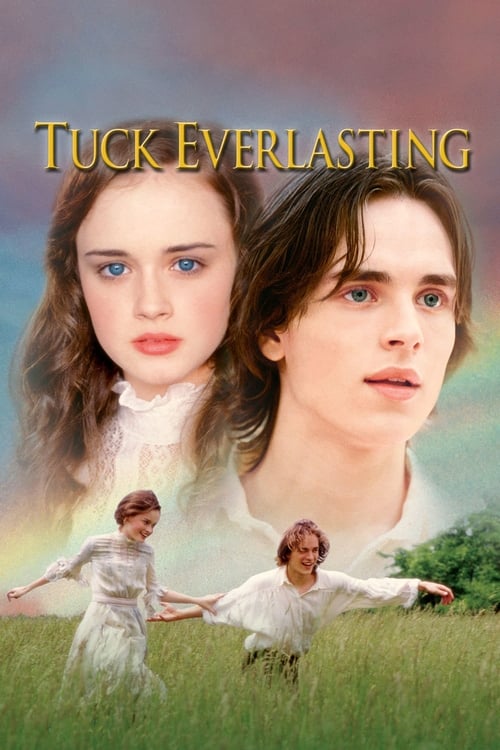
Tuck Everlasting (1981) functions as a traditionalist fable that prioritizes historical atmosphere over modern characters who reflect more than one aspect of diversity. While the film offers a strong female lead in Winnie Foster, the narrative remains confined by the social hierarchies of its period setting. The production lacks diversity in racial, LGBTQ+, and disability representation, opting for a homogeneous cast that mirrors the source material's pastoral context. It does not attempt to challenge norms or introduce complex identity-driven subplots. Ultimately, the film is a straightforward period drama. It succeeds as a historical adaptation but does not engage with the diverse demographic realities required for a progressive narrative.
Category Breakdown
The film does not include any LGBTQ+ characters or explore non-straight identities. It stays true to the traditional social structures of its turn-of-the-century setting.
Winnie Foster provides a central female perspective and plays a significant role in driving the story. However, the supporting cast follows traditional period roles and lacks substantial interactions between women.
The production features a predominantly white cast reflecting its historical setting. There is no evidence of race-bent casting or intentional demographic diversification.
The story explores tensions between established social orders and unconventional lifestyles. It remains rooted in traditional storytelling without systemic critiques or moral relativism.
There are no prominent depictions of physical, sensory, or neurodivergent disabilities. Characters are portrayed through a lens of standard physical capability.
Present on Screen
Limited or Absent
Official Synopsis
In turn-of-the-20th-century upstate New York, Winnie Foster, a 12-year-old girl, discovers a family living in the woods near her family's home who never ages thanks to a magical spring they drink from and she is entrusted to keep their secret and becomes involved in their lives.
1986
2007
2000
2002
2018
1997
1971
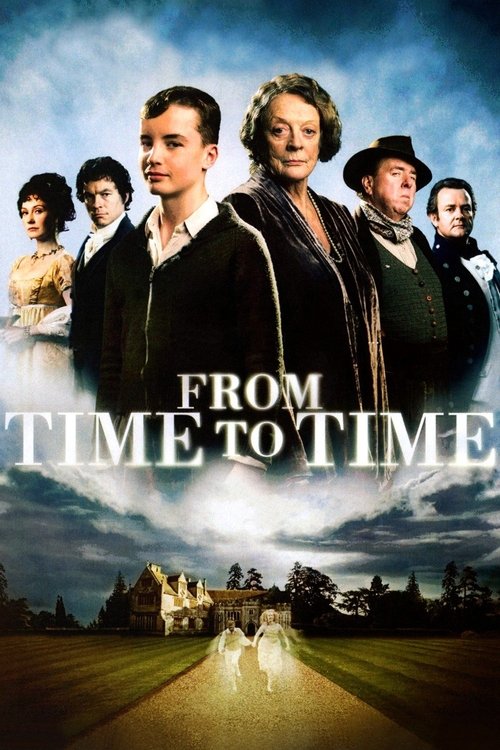
2009
No reviews yet. Be the first to share your thoughts on this movie!
Use the rating form above to leave a star rating and optional review.