Find another title
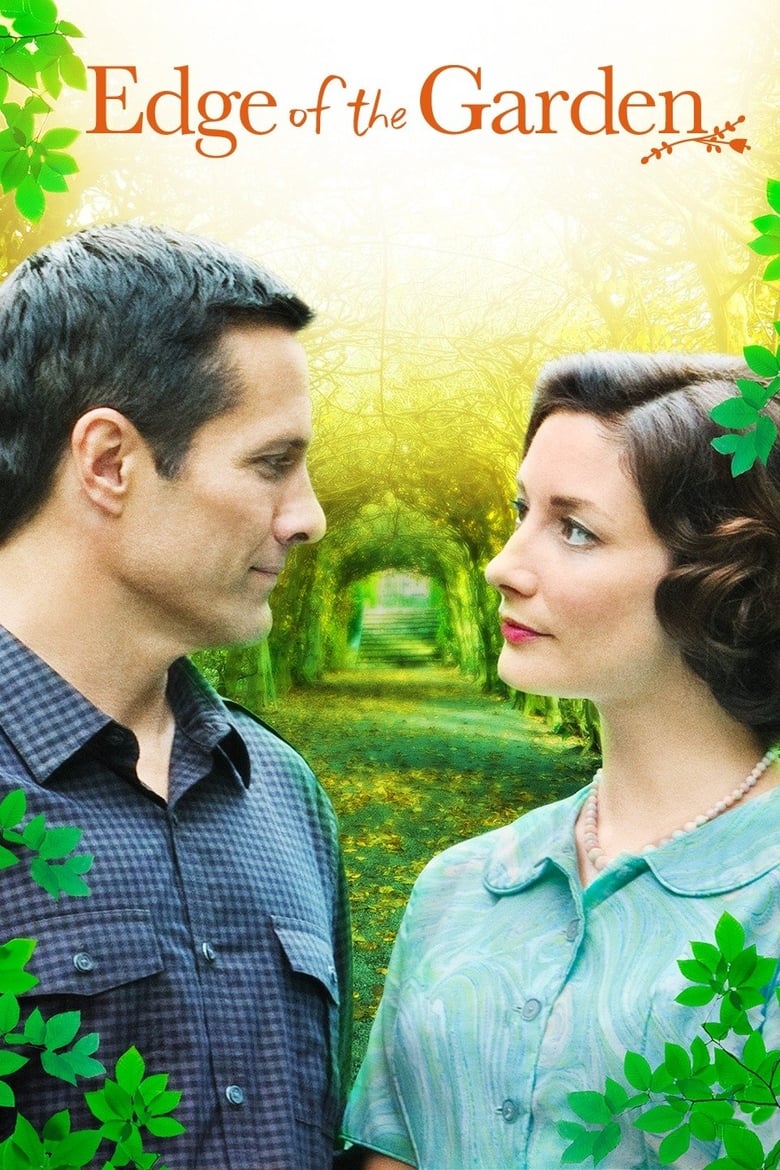
Edge of the Garden
2011
TV-PGDirector
Michael M. Scott
Runtime
84 minutes
Average Rating
No ratings yetSynopsis
Newly single Brian Connor moves to Maine and buys a long abandoned house in the country. After moving in, he begins to communicate with a woman who lived in the house 50 years ago and who died under mysterious circumstances.
Where to Watch
Diversity & Representation
Overall Score
Limited
Category Breakdown
LGBTQ+ Representation
The film lacks explicit LGBTQ+ characters or non-cisnormative identities. The story focuses on a male protagonist and a deceased female figure, suggesting a traditional romantic or spiritual connection.
Gender Representation
The narrative centers on a male protagonist's journey of discovery. While a female character drives the central mystery, her role appears defined by her historical circumstances and death.
Racial & Ethnic Diversity
The story suggests a potentially homogeneous character study set in rural Maine. There is no indication of significant racial intersectionality or diverse ethnic backgrounds within the narrative.
Religious & Cultural Diversity
The film utilizes common Western supernatural tropes like isolation and abandoned houses. It follows a standard dramatic structure without signaling specific anti-religious or secularist agendas.
Disability Representation
There is no mention of characters with visible or invisible disabilities. The narrative does not address neurodivergence or chronic illness.
Strengths
- The film utilizes classic supernatural tropes like the abandoned house to build atmosphere.
Areas for Improvement
- The narrative lacks diverse representation across racial, gender, and LGBTQ+ spectrums.
- Character roles appear to follow traditional archetypes rather than subverting social hierarchies.
- There is no evidence of intersectional storytelling or diverse cultural perspectives.
AI Analysis
Edge of the Garden operates within the traditional framework of supernatural drama. The plot focuses on an individualistic experience of discovery rather than exploring systemic or intersectional themes. The film relies on established genre tropes, such as the mysterious death and the isolated rural setting. This approach prioritizes a standard character-driven narrative over progressive social disruption. Ultimately, the work lacks documented indicators of intentional subversion regarding social hierarchies or diverse identity representation.
Rate this Movie
Reviews
No reviews yet. Be the first to share your thoughts on this movie!
Use the rating form above to leave a star rating and optional review.