Tuck Everlasting
1981
No user ratings available yet
Diversity score: 2.9 out of 10
2003
PG-13Director
Michael Polish
Runtime
103 minutes
Average Rating
No ratings yetSynopsis
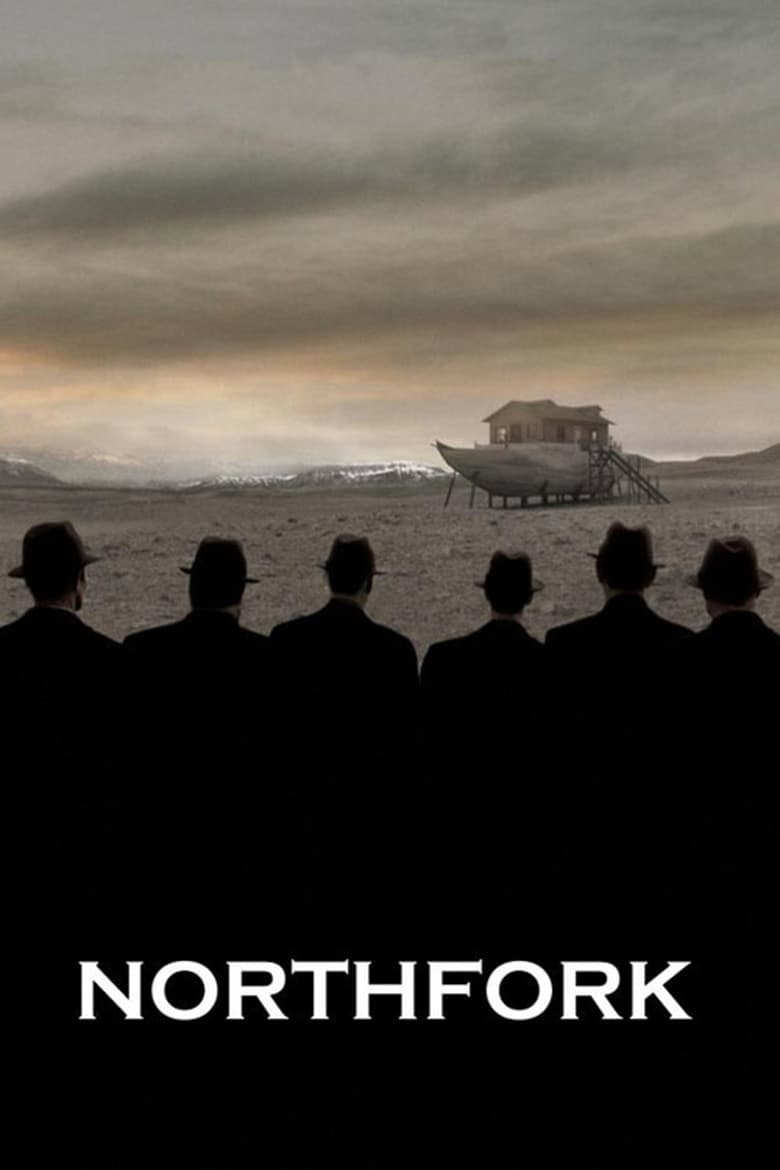
The year is 1955, and a great flood is coming to Northfork, Montana. A new hydroelectric dam is about to be installed in the mountains above the town, ready to submerge the valley in the name of progress. It is the charge of a six-man Evacuation Committee to relocate the townsfolk to higher ground. Most have duly departed, but a few stubborn stragglers remain – among them a priest caring for a sickly orphan, a boy whose fevered visions are leading him to believe he is a member of a roaming band of lost angels desperately searching for a way home.
Overall Score
Limited
Category Breakdown
LGBTQ+ Representation
The film contains no LGBTQ+ characters or explorations of non-heteronormative identities. The 1955 setting adheres to traditional social parameters without subverting heteronormativity.
Gender Representation
Character dynamics center primarily on male protagonists, reflecting the rural Montana setting. While not overtly misogynistic, the film lacks female roles with significant agency or leadership.
Racial & Ethnic Diversity
The cast is predominantly white, mirroring the specific demographic of the Montana locale. The story focuses on a homogeneous community rather than multi-ethnic or intersectional dynamics.
Religious & Cultural Diversity
The film explores the subjectivity of truth and moral relativism through spiritual ambiguity. It pits the tension of industrial progress against the preservation of local identity.
Disability Representation
A sickly orphan and a boy with fevered visions introduce themes of vulnerability. However, these conditions function more as atmospheric plot devices than as studies of autonomy.
Strengths
Areas for Improvement
AI Analysis
Northfork is a period-specific character study that prioritizes atmosphere and fable-like storytelling over social diversity. Its narrative architecture focuses on a homogeneous, mid-century Montana community, which limits the breadth of its representation. The film finds its strength in exploring spiritual and moral ambiguity. By framing truth as a subjective construct, it complicates traditional religious and institutional narratives through the lens of its characters' visions. However, the film remains largely traditional in its racial, gender, and LGBTQ+ compositions. It reflects the historical constraints of its 1955 setting without actively working to subvert those established social hierarchies.
1981

2008

2005
1974

1995

2007
2022
2001

1982
2006
2003
No reviews yet. Be the first to share your thoughts on this movie!
Use the rating form above to leave a star rating and optional review.