
Alieu the Dreamer
2020
No user ratings available yet
Representation score: 8.8 out of 10
Representation Score
Minimal
2000
Director
Ernest Thompson
Runtime
95 minutes
Average Rating
No ratings yetNew Showbiz Analysis
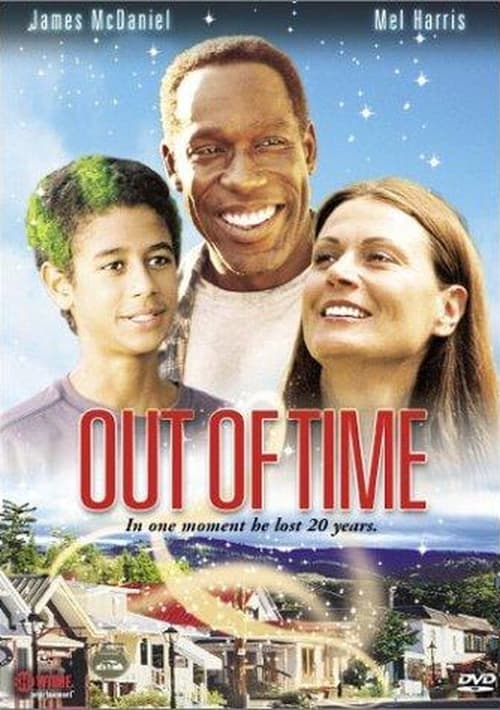
Out of Time is a localized fantasy drama centered on a male protagonist who experiences temporal displacement. The story focuses on his reactions to a town that has changed during his twenty-year absence. The narrative structure follows traditional themes of nostalgia and social change. The film lacks progressive storytelling that disrupts established social hierarchies and includes diverse identities. Instead, it presents a narrow perspective focused on a singular, traditional viewpoint.
Category Breakdown
The film doesn't include any characters with non-straight or non-cisgender identities, nor does it show any same-sex relationships. There are no critiques of the assumption that everyone is straight or cisgender.
The story revolves around a single male protagonist. There are no indications of non-traditional gender roles or challenges to gender hierarchies.
The small-town setting doesn't suggest a diverse cast. There is no evidence of non-white or non-Anglo-Saxon representation.
The premise focuses on nostalgia and the loss of traditional community values. This suggests a narrative structure that favors tradition over cultural diversity.
The narrative does not feature any characters with neurodevelopmental disorders or physical disabilities. Mental health conditions are not used as central character traits.
Present on Screen
Limited or Absent
Official Synopsis
A man awakwens after sleeping for 20 years to find that his small local town has changed for the worse.
2020

1986
1990

2012

2001
1992
1896
2002
No reviews yet. Be the first to share your thoughts on this movie!
Use the rating form above to leave a star rating and optional review.