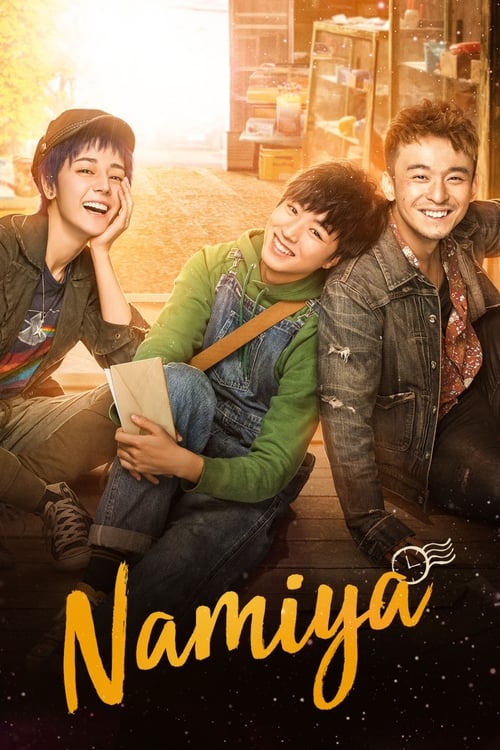
Namiya
2017
No user ratings available yet
Representation score: 5.1 out of 10
Representation Score
Fair
2017
Director
Ryuichi Hiroki
Runtime
129 minutes
Average Rating
No ratings yetNew Showbiz Analysis
This film is a character-driven humanistic drama that prioritizes emotional resonance and narrative complexity. It explores human interconnectedness through a non-linear, postmodern structure. While the film presents a balanced look at various life perspectives, it remains within traditional social and demographic norms. It avoids systemic critique, focusing on interpersonal connections and subjective morality. Overall, the production is a localized Japanese story that lacks diverse representation or the deconstruction of established social hierarchies.
Category Breakdown
The film doesn't include any explicit LGBTQ+ characters or storylines. It stays within a traditional framework focused on heterosexual relationships without any queer-coded hints or criticisms of straight relationships.
The movie features a mix of male and female perspectives through connected letter-writers. It delves into women's emotional burdens and societal expectations but doesn't challenge traditional gender roles.
The cast is mainly made up of people from a similar background, reflecting a local Japanese setting. The story centers around a culturally specific group, which limits racial or ethnic diversity.
The story emphasizes personal emotional truth and empathy over strict religious rules. It uses a non-linear structure to explore humanism and the impact of small acts of kindness.
The film doesn't prominently depict physical, sensory, or neurodivergent disabilities. Instead, it focuses on psychological struggles such as regret and social pressure.
Present on Screen
Limited or Absent
Official Synopsis
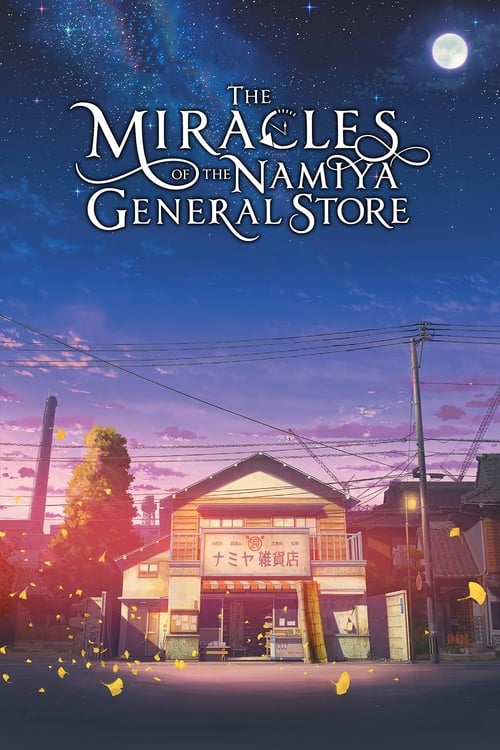
In 2012, Atsuya and his 2 childhood friends do something bad and run into an old general store. They decide to stay there until the morning. Late into the night, Atsuya sees a letter in the mailbox. The letter is addressed to the Namiya General Store and the letter was written by someone to consult about worries. Incredibly, the letter was written 32 years ago. The mailbox is somehow connected to the year 1980. Atsuya and his friends decide to write a reply and place their letter in the mailbox.
2017
2023

2018
2000
2012
2021
2022
2016
No reviews yet. Be the first to share your thoughts on this movie!
Use the rating form above to leave a star rating and optional review.