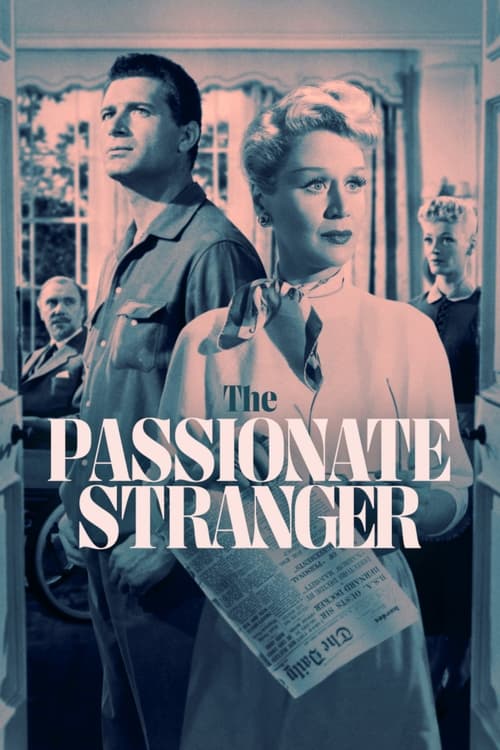
The Passionate Stranger
1957
No user ratings available yet
Diversity score: 4.0 out of 10
No Poster Available
1954
Director
Muriel Box
Runtime
85 minutes
Average Rating
No ratings yetSynopsis
Under a complicated bequest from her uncle, Myrtle stands to inherit $2,000,000 if her ex-husband doesn't have any male heirs on the way, else he gets the cash. She journies from New York to England, and finally tracks him down with his heavily pregnant new wife. Should she try and woo him back or challenge the legality of the new marriage?
Overall Score
Fair
Category Breakdown
LGBTQ+ Representation
The film lacks explicit evidence of LGBTQ+ characters or non-heteronormative identities. The plot centers on traditional romantic and matrimonial conflicts between an ex-husband and his new wife.
Gender Representation
Myrtle serves as a proactive protagonist who navigates high-stakes financial and legal landscapes. Her strategic agency in challenging a marriage's legitimacy subverts standard tropes of submissive femininity.
Racial & Ethnic Diversity
The narrative likely reflects the demographic homogeneity of 1954. There is no evidence of a multi-ethnic cast, suggesting a reliance on standard Anglo-Saxon casting norms of the era.
Religious & Cultural Diversity
The story examines the friction between individual desire and established social institutions through themes of inheritance and legality. It operates within a conventional Western framework.
Disability Representation
There are no mentions of characters with visible or invisible disabilities in the available narrative details.
Strengths
Areas for Improvement
AI Analysis
The film's strength lies in its subversion of mid-century gender roles. By centering the plot on a woman's pursuit of inheritance and legal maneuvering, it provides a level of female agency rarely seen in contemporary comedies. However, the production is heavily limited by the social norms of 1954. The lack of racial, ethnic, or LGBTQ+ visibility keeps the diversity profile narrow and conventional. Ultimately, while the film offers a progressive look at female-driven conflict, it remains a product of its era's demographic homogeneity.
1957
1956
1969
1949

1974
1959
1957
1975

1962
1936
1964
1962
No reviews yet. Be the first to share your thoughts on this movie!
Use the rating form above to leave a star rating and optional review.