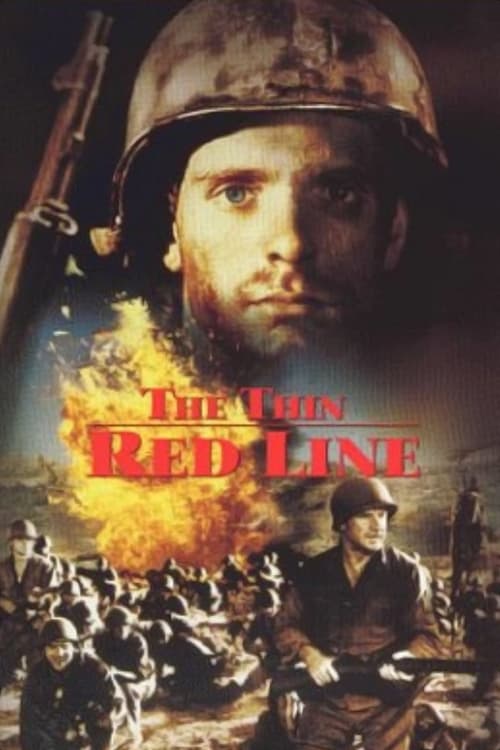
The Thin Red Line
1964
No user ratings available yet
Representation score: 3.7 out of 10
Representation Score
Minimal
1951
NRDirector
John Huston
Runtime
69 minutes
Average Rating
No ratings yetNew Showbiz Analysis
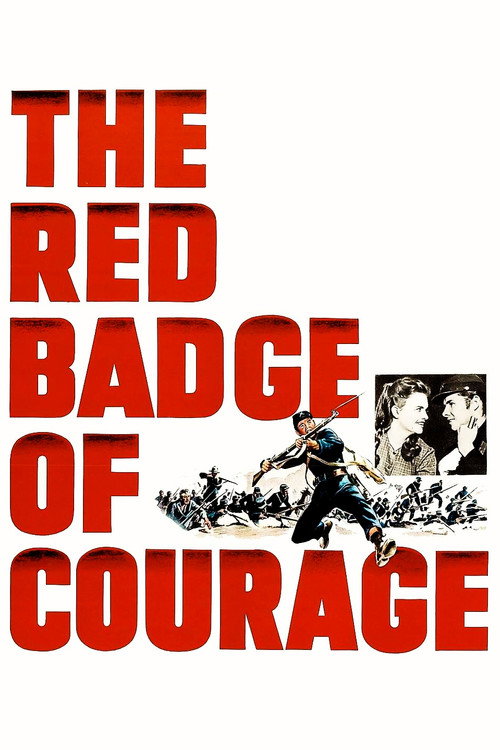
John Huston’s film is a psychological character study centered on the internal moral struggle of Henry Fleming. It prioritizes classical themes of courage and shame over diverse representation. The production follows mid-century narrative conventions, presenting a homogeneous view of the American Civil War. It functions as a quintessential period piece that upholds traditional cinematic depictions of the era. While the film excels in constructing a psychologically rich character, it lacks the moral complexity or social critique found in contemporary works, focusing instead on the individual struggle of a single soldier.
Category Breakdown
The film sticks to traditional masculine roles and does not include any LGBTQ identities or same-sex relationships, following the conventions of 1950s cinema.
The story focuses almost entirely on male characters, with women being completely absent from the main plot. This reinforces a traditional hierarchy that leaves women out of the battle narrative.
The cast is mostly white, reflecting the production standards of 1951. The film does not include any visible racial diversity and omits the important role played by Black soldiers in the Union Army.
This traditional war drama highlights individual honor and duty. It emphasizes a classic view of heroism and redemption without addressing modern institutional critiques.
War-related injuries serve as a catalyst for the protagonist's journey rather than exploring disability. These wounds are used symbolically to represent social reintegration.
Present on Screen
Limited or Absent
Official Synopsis
Henry Fleming is a young Union soldier in the American Civil War. During his unit's first engagement, Henry flees the battlefield in fear. When he learns that the Union actually won the battle, shame over his cowardice leads him to lie to his friend Tom and the other soldiers, saying that he had been injured in battle. However, when he learns that his unit will be leading a charge against the enemy, Henry takes the opportunity to face his fears and redeem himself.
1964
1959
1958
1959
1945
1966
1952
1944
No reviews yet. Be the first to share your thoughts on this movie!
Use the rating form above to leave a star rating and optional review.