
China Venture
1953
No user ratings available yet
Representation score: 0.6 out of 10
Representation Score
Minimal
1942
PassedDirector
Arthur Ripley
Runtime
64 minutes
Average Rating
No ratings yetNew Showbiz Analysis
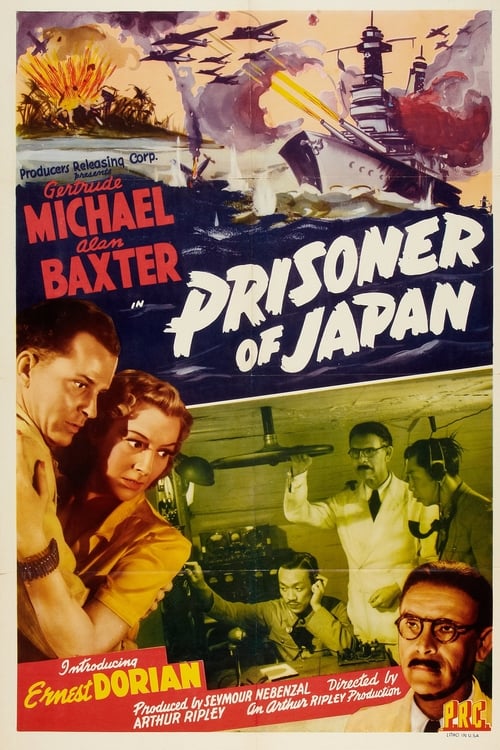
Prisoner of Japan is a classic wartime drama that prioritizes historical archetypes over diverse representation. The film reinforces the geopolitical binaries and social hierarchies of the period. The narrative is predominantly male-centric, focusing on the camaraderie and conflict in a POW camp. While the use of Japanese actors provides accurate casting, the characters serve primarily as the opposing force in a global conflict. The film lacks the depth needed to go beyond wartime propaganda and traditional Western-centric values.
Category Breakdown
The film does not depict any non-straight relationships or same-sex intimacy. It follows the traditional wartime conventions of the early 1940s.
The story centers around male protagonists in a male-dominated POW camp. Female characters have limited influence, reinforcing the gender hierarchies of the time.
Japanese actors play the antagonist roles accurately for the period. However, the narrative focuses on them as a military force rather than exploring their diverse backgrounds.
The film highlights Western patriotism and the legitimacy of the protagonist's struggle. It lacks moral relativism, aligning with the wartime values of its production era.
The film does not portray any characters with visible or invisible disabilities. The narrative focuses solely on the physical and psychological resilience of the able-bodied protagonist.
Present on Screen
Limited or Absent
Official Synopsis
An American astronomer living on a Pacific island attempts to thwart the Japanese during WWII.
1953
1956

1950

1941

1942

1943

1962
1959
No reviews yet. Be the first to share your thoughts on this movie!
Use the rating form above to leave a star rating and optional review.