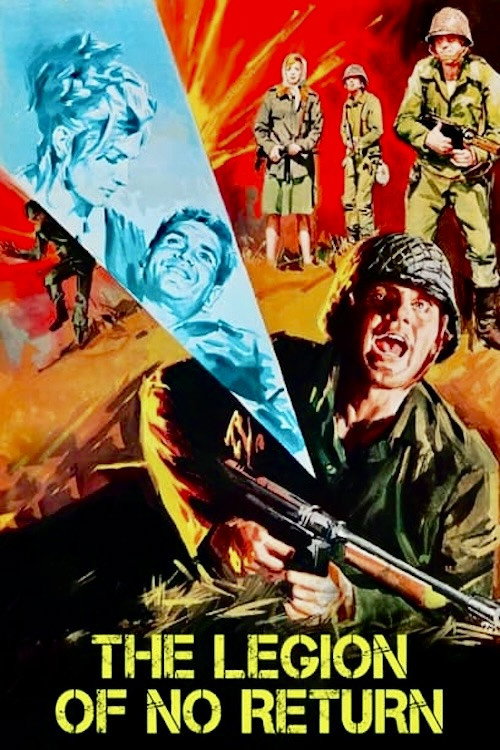
The Legion of No Return
1969
No user ratings available yet
Representation score: 1.8 out of 10
Representation Score
Minimal
1969
Director
León Klimovsky
Runtime
104 minutes
Average Rating
No ratings yetNew Showbiz Analysis
A Bullet for Rommel is a traditional war drama from 1969 that upholds established social and cinematic norms. The narrative emphasizes military duty and conventional masculine archetypes, avoiding characters who reflect more than one aspect of diversity. While the film presents a nuanced exploration of combat ethics, it does not challenge traditional norms or engage with identity-based diversity.
Category Breakdown
The film does not include any LGBTQ+ characters or narratives, sticking to a traditional military setting.
The story centers around a male-dominated military environment, emphasizing traditional masculine roles and failing to pass the Bechdel test.
The cast is primarily white and European, adhering to the era's casting standards without promoting diverse representation.
The film examines moral dilemmas through the context of assassination, focusing on Western military ethics.
There is no evidence of characters with visible or invisible disabilities. The film lacks engagement with neurodivergence or physical impairment.
Present on Screen
Limited or Absent
Official Synopsis
During World War II, a tough officer organizes a commando raid into Germany.
1969

1978
1968

1951
1969

1966
1969

1962
No reviews yet. Be the first to share your thoughts on this movie!
Use the rating form above to leave a star rating and optional review.