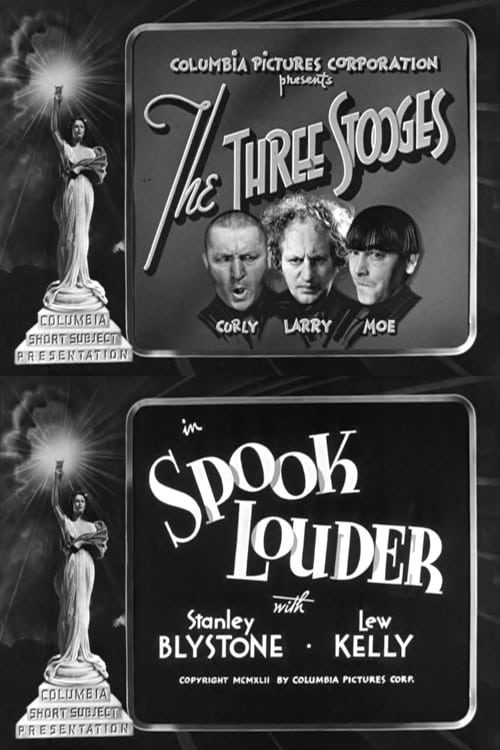
Spook Louder
1943
No user ratings available yet
Representation score: 1.6 out of 10
Representation Score
Limited
1943
ApprovedDirector
Del Lord
Runtime
17 minutes
Average Rating
No ratings yetNew Showbiz Analysis
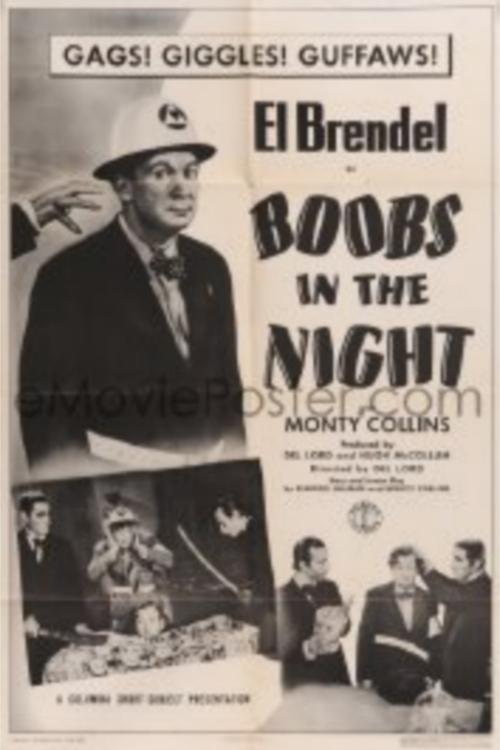
Boobs in the Night is a product of the early 1940s studio system, prioritizing fast-paced slapstick and gag-driven narratives over stories that reflect multiple aspects of identity. The film operates within the established comedic structures of its time, focusing on wartime social roles and genre clichés. The narrative structure reinforces traditionalist cinematic standards. It relies on conventional archetypes, such as the mad scientist, which serve the comedy rather than challenging social or identity-based hierarchies. Ultimately, the film lacks representation across most modern diversity metrics. It functions as a period-specific comedy that adheres to the homogeneous casting and social norms of the era.
Category Breakdown
The film does not include any LGBTQ+ characters or non-straight identities. It focuses on conventional social roles typical of the 1940s era.
While the inclusion of home defense workers touches on women entering the workforce, the film follows traditional mid-century comedic clichés. There is no indication of women disrupting masculine leadership hierarchies.
The production reflects the homogeneous casting standards of the early 1940s Hollywood studio system. No diverse or non-Anglo-Saxon majority cast is indicated in the narrative.
The setting aligns with wartime patriotism and the reinforcement of national institutions. The mad scientist cliché serves as a vehicle for slapstick humor rather than a critique of Western institutions.
There is no evidence of characters with disabilities portrayed with real depth. Physical impairments or madness are likely used as comedic devices rather than nuanced character studies.
Present on Screen
Limited or Absent
Official Synopsis
Auxiliary home defense workers El and Monte are sent to a spooky house where they come across a mad scientist and his assistant.
1943
1948
1943
1933
1941
1941
1940
1944
No reviews yet. Be the first to share your thoughts on this movie!
Use the rating form above to leave a star rating and optional review.