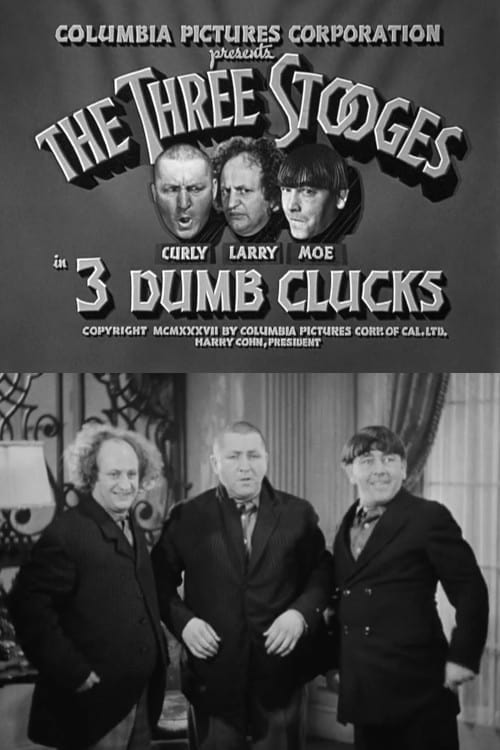
3 Dumb Clucks
1937
No user ratings available yet
Diversity score: 1.8 out of 10

1943
NRDirector
Del Lord
Runtime
16 minutes
Average Rating
No ratings yetSynopsis
The stooges are door-to-door salesman peddling a weight reducing machine, until they come to the house of an eccentric inventor, where they are mistaken for new caretakers, are left to guard his house, and must contend with enemy spies and a mysterious pie thrower.
Overall Score
Minimal
Category Breakdown
LGBTQ+ Representation
The film offers no evidence of LGBTQ+ characters or narratives. It operates within the strict heteronormative constraints typical of 1943 slapstick comedy.
Gender Representation
The narrative focuses on male-centric physical conflict among the Three Stooges. Women appear to be relegated to domestic or reactionary roles without significant agency.
Racial & Ethnic Diversity
The title suggests a likely reliance on racialized terminology common to the era. There is no evidence of diverse casting or non-white representation.
Religious & Cultural Diversity
The plot utilizes standard wartime-era tropes, such as enemy spies, to reinforce traditional patriotism. It follows conventional mid-20th-century comedic structures.
Disability Representation
Humor is derived from physical clumsiness and perceived cognitive lapses. The film uses physical dysfunction as a comedic device rather than a nuanced portrayal.
Strengths
Areas for Improvement
AI Analysis
Spook Louder is a product of the early 1940s slapstick tradition, prioritizing physical comedy and established archetypes over social depth. The film's structure relies on broad, often regressive caricatures that reinforce the social hierarchies of its time. The narrative is heavily male-centric, focusing on the chaotic interactions of the Three Stooges. This focus, combined with the era's comedic conventions, results in a lack of meaningful representation for women, LGBTQ+ individuals, or diverse ethnic groups. Ultimately, the film functions as a period piece that utilizes tropes—including potentially racialized language—to drive its comedy. It lacks any intentional effort to subvert traditional social expectations or provide intersectional perspectives.
1937
1935
1943
1937
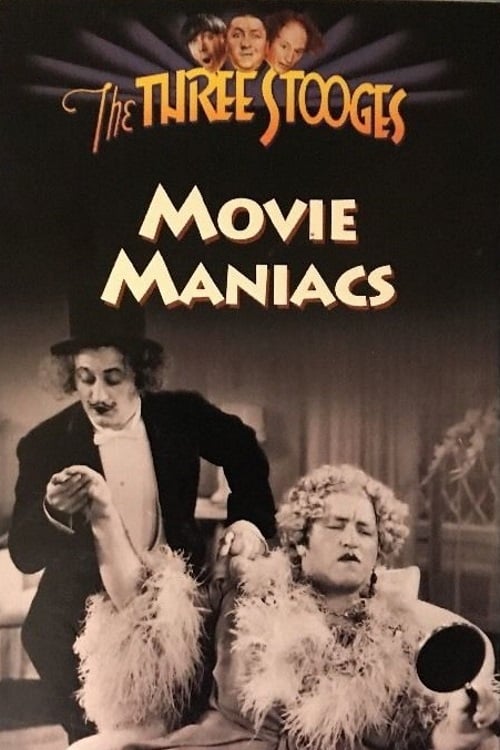
1936
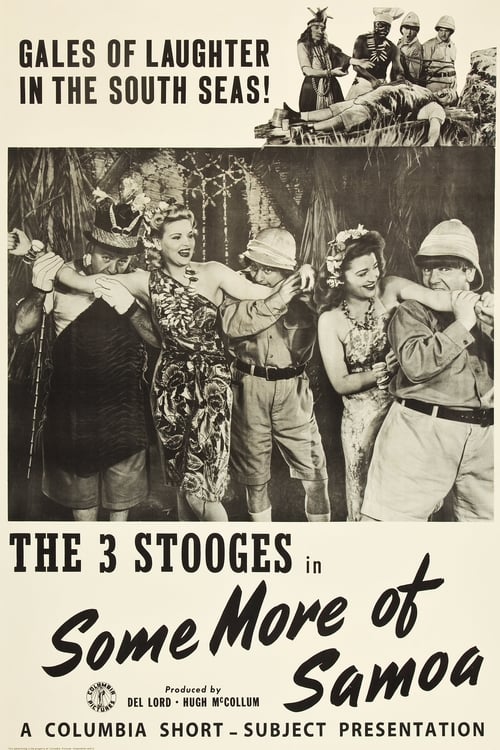
1941
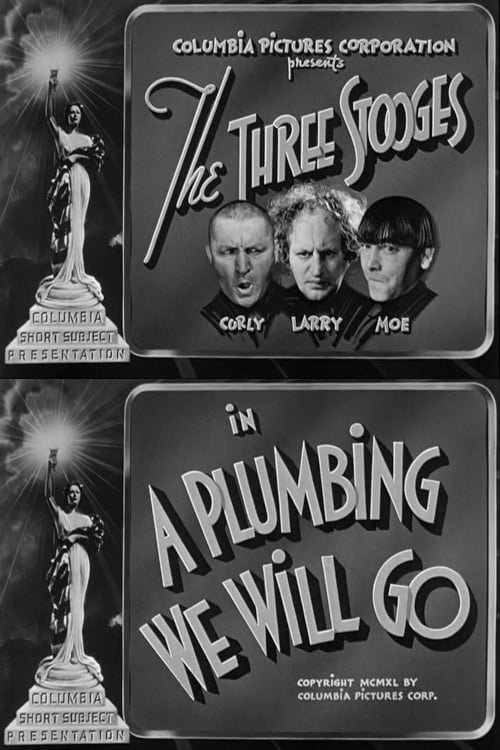
1940
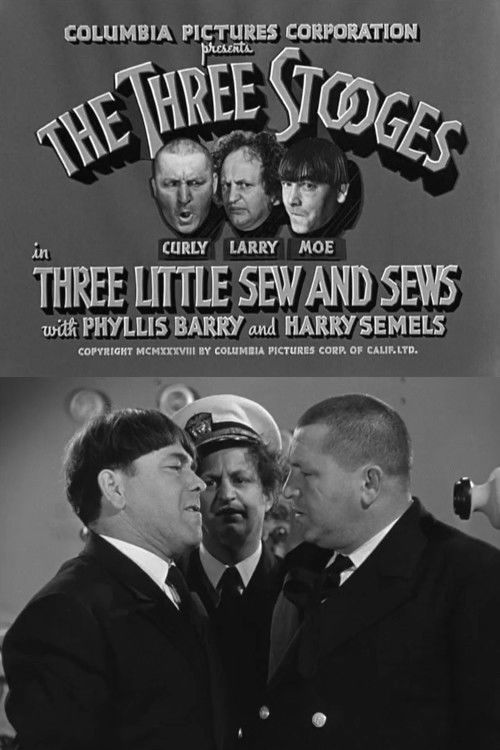
1939
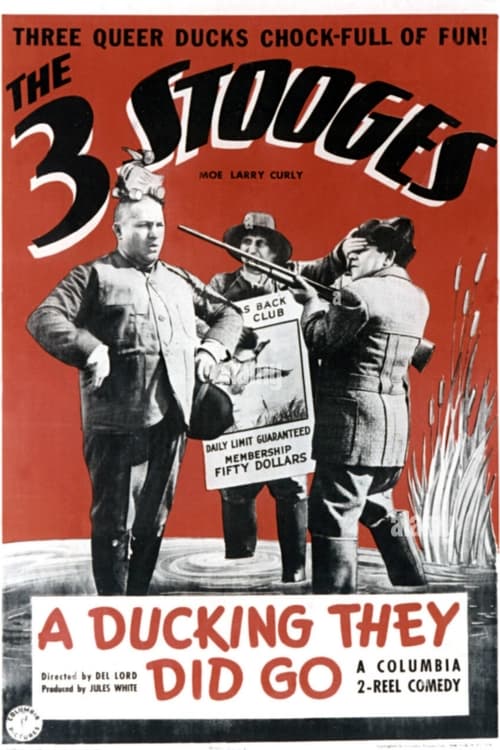
1939
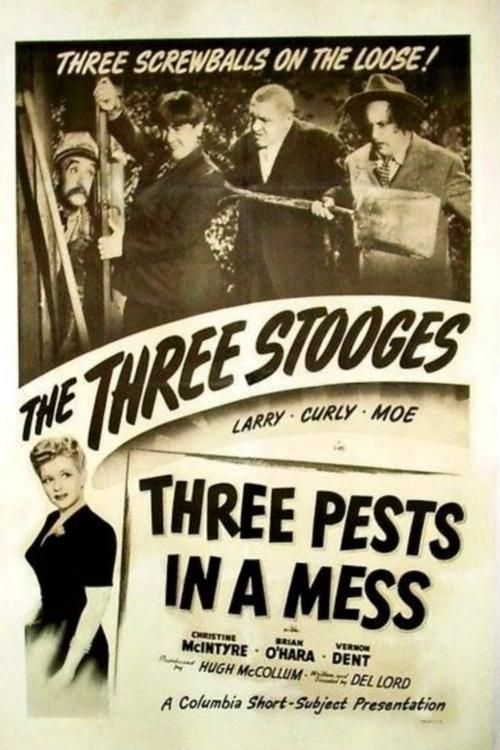
1945
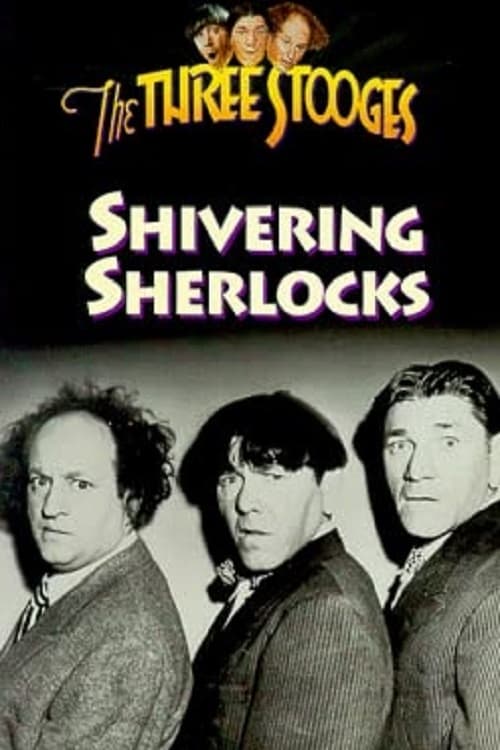
1948
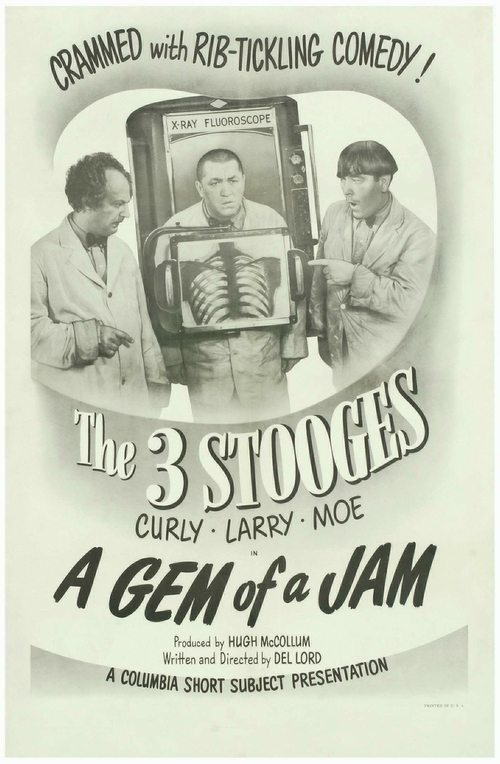
1943
No reviews yet. Be the first to share your thoughts on this movie!
Use the rating form above to leave a star rating and optional review.