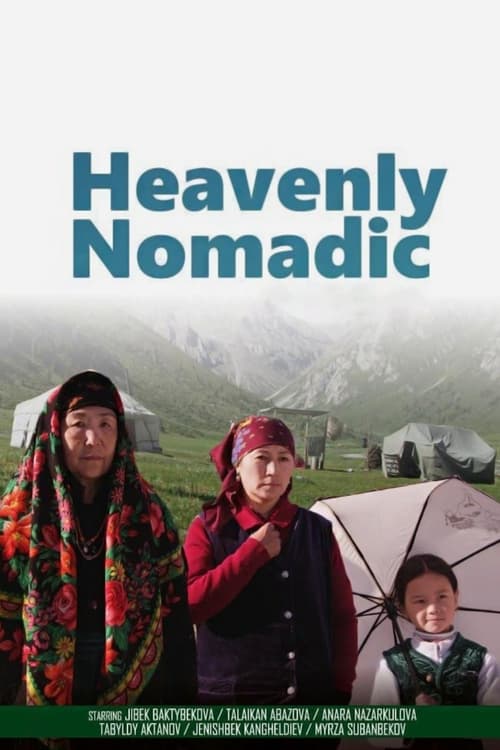
Heavenly Nomadic
2015
No user ratings available yet
Representation score: 5.5 out of 10

Representation Score
Good
1990
TV-YDirector
Bolat Kalymbetov
Runtime
72 minutes
Average Rating
No ratings yetNew Showbiz Analysis
Darling is a piece of regional social realism that breaks away from the polished, optimistic clichés common in mainstream Soviet cinema. By focusing on the Kazakh hinterland, the film challenges Western-centric narratives and offers a unique cultural perspective. The film's strength lies in its cultural specificity and its commitment to portraying the unvarnished realities of the hinterland. This approach allows non-Western ethnic identities to be represented authentically. However, the film lacks clarity regarding specific multi-layered identities. While the setting provides strong ethnic representation, the presence of LGBTQ+ characters or specific disability portrayals remains uncertain.
Category Breakdown
The film doesn't explicitly address LGBTQ+ themes. It's unclear whether these topics are explored through specific characters or subtext.
The film focuses on everyday life, suggesting potential for nuanced portrayals of women's roles. However, it's not clear if the film challenges traditional gender hierarchies.
By focusing on the Kazakh hinterland, the film centers a Central Asian cast, providing significant roles to non-Western ethnic groups.
The film highlights the harsh realities of the provincial working class, critiquing systemic hardships and avoiding idealized narratives.
There is no information available to determine if characters with physical or neurodivergent disabilities are present or portrayed in the film.
Present on Screen
Limited or Absent
Official Synopsis
A harsh, sometimes poignantly lyrical narrative about everyday and sometimes hopeless life in the Kazakh provincial hinterland.
2015
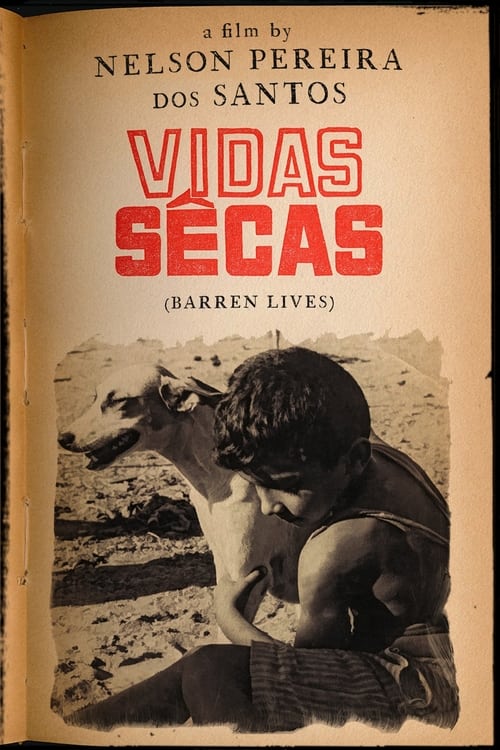
1963
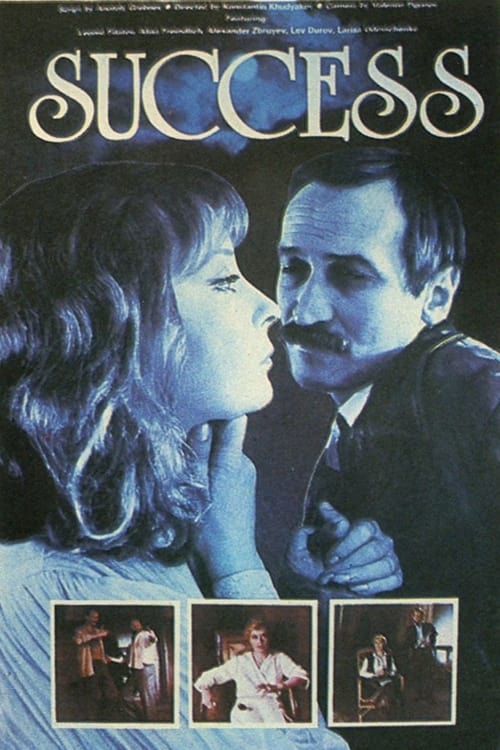
1984
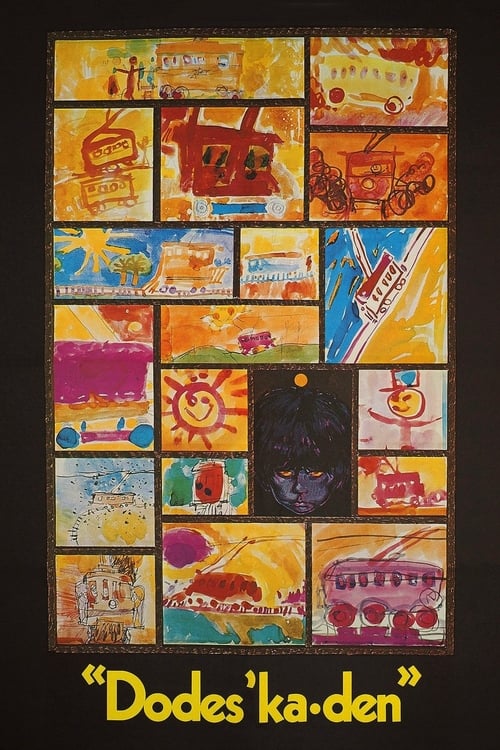
1970
1991

2001

1994
1997
No reviews yet. Be the first to share your thoughts on this movie!
Use the rating form above to leave a star rating and optional review.