
Darling
1990
No user ratings available yet
Representation score: 6.1 out of 10
Representation Score
Limited
1997
Director
Serik Aprimov
Runtime
78 minutes
Average Rating
No ratings yetNew Showbiz Analysis
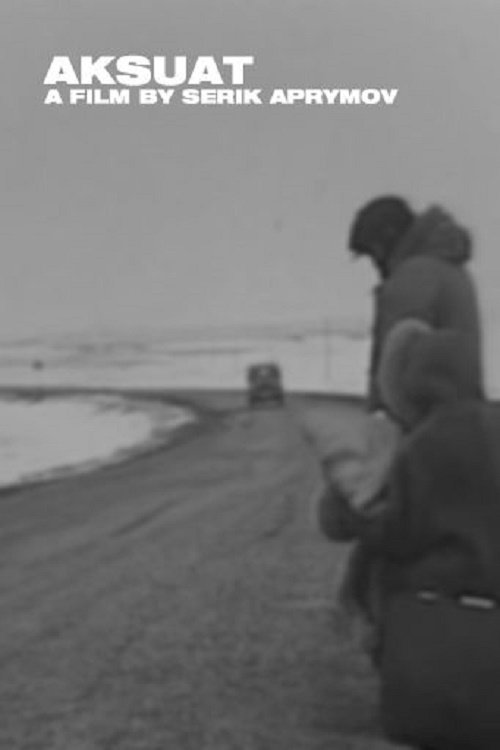
Aksuat is a significant film that centers on authentic Kazakh experiences, challenging state-sanctioned narratives. It excels in deconstructing imperialist narratives while emphasizing authentic ethnic storytelling within the steppe landscape. However, the film remains tied to traditional social structures and does not engage with modern discussions about LGBTQ+ identities or specific disability representation, focusing instead on survival and communal duty. Ultimately, the work's strength lies in its post-colonial perspective, presenting the state as a disruptive force rather than a provider of progress.
Category Breakdown
The film focuses on nomadic social structures without including any non-straight or non-cisgender identities or stories.
Gender roles are centered around family responsibilities and community interdependence. Women demonstrate resilience but their roles are still tied to traditional family duties and biological roles.
The film highlights the authenticity of Kazakh culture by featuring a Kazakh cast. It portrays the Kazakh people with significant roles, avoiding Western or Slavic-focused storytelling.
The narrative critiques centralized authority and imperialist modernization with sophistication. It emphasizes the preservation of indigenous customs against state-driven collectivism.
The film shows the physical challenges inherent to nomadic life but does not include specific character arcs focused on neurodivergence or physical disabilities.
Present on Screen
Limited or Absent
Official Synopsis
A Kazakh villager has to take care of his pregnant sister-in-law after his brother is thrown in jail.
1990

2017
2009
1982

2014
1983
2015

2016
No reviews yet. Be the first to share your thoughts on this movie!
Use the rating form above to leave a star rating and optional review.