Blanka
2015
No user ratings available yet
Representation score: 7.4 out of 10
Representation Score
Fair
2000
TV-GDirector
Edward Pesta Sirait
Runtime
90 minutes
Average Rating
No ratings yetNew Showbiz Analysis
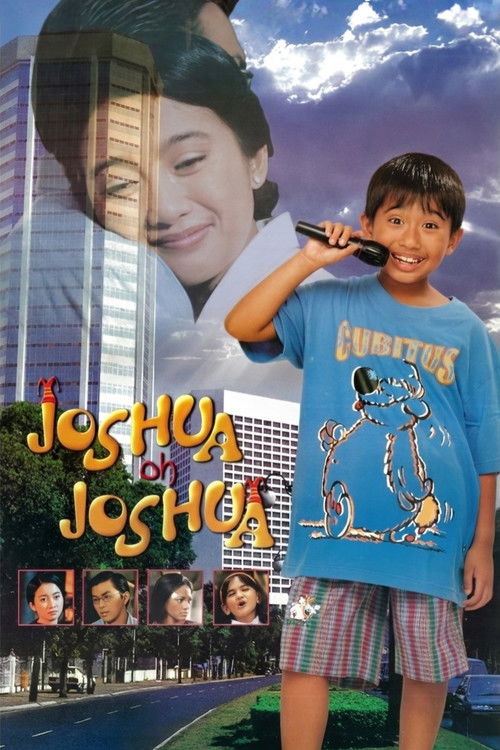
Joshua oh Joshua is a localized Indonesian drama that successfully provides a non-Western perspective on socioeconomic hardship. By focusing on the lives of homeless children, it offers a viewpoint often missing from mainstream global cinema. However, the film heavily relies on conventional dramatic clichés, especially concerning traditional gender roles. The use of the 'evil stepmother' archetype indicates a dependence on established storytelling patterns rather than a challenge to them. Overall, while the film offers a meaningful regional representation, it lacks the multi-layered complexity needed for a higher diversity rating. The narrative remains centered on a singular struggle against poverty.
Category Breakdown
The film does not explicitly mention queer identities or non-cisgender narratives. It mainly focuses on the socioeconomic struggles of its young protagonists.
The story relies on traditional gender stereotypes, showing a kind mother versus an evil stepmother. However, Jojo's intelligence adds an active dimension to his character as a young male lead.
Set in Indonesia, the film highlights a non-Western perspective. It centers on local youth and socioeconomic realities, challenging the dominance of Western-centric storytelling.
The story delves into systemic poverty and the challenges of homelessness. It focuses on the survival and situational ethics of underrepresented individuals.
There is no indication of the portrayal of physical, neurodivergent, or mental health conditions in the narrative.
Present on Screen
Limited or Absent
Official Synopsis
It's an Indonesian drama musical about young boy named Jojo and Jejen are two homeless kids who must look for money after school. They go to shopping centers to busk and help people to bring their shopping. Jejen has a nice mother, whereas Jojo's stepmother is evil even though he's the smartest kid in school
2015

2012
2011

1988
1993
1987
2017
2003
No reviews yet. Be the first to share your thoughts on this movie!
Use the rating form above to leave a star rating and optional review.