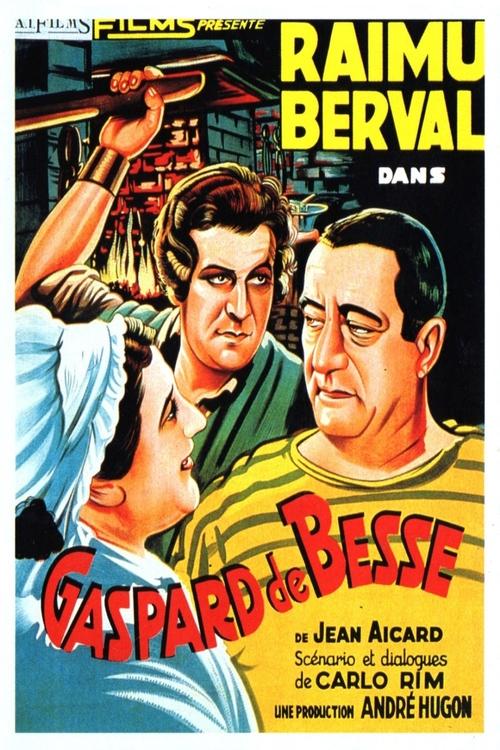
Dawn Over France
1935
No user ratings available yet
Representation score: 2.5 out of 10
Representation Score
Limited
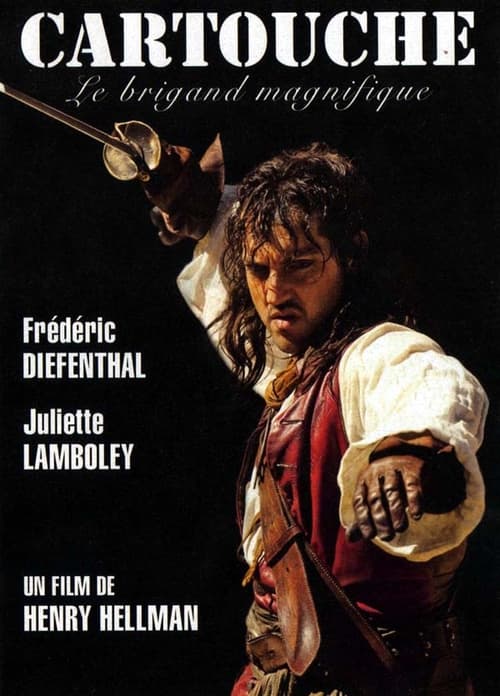
2009
Director
Henri Helman
Runtime
180 minutes
Average Rating
No ratings yetNew Showbiz Analysis
Cartouche, le Brigand Magnifique primarily addresses class-based issues. Its narrative emphasizes the conflict between the underrepresented poor and the wealthy elite, rather than intersecting identities. While the film offers a critique of socioeconomic disparities, it lacks representation in other diversity categories such as LGBTQ+, disability, and specific racial or gender dynamics. The film’s strength lies in its social commentary on wealth and power, but it remains narrow in its demographic focus.
Category Breakdown
The film does not include any LGBTQ+ characters or same-sex relationships. It also does not challenge the idea that everyone is straight or cisgender.
The story revolves around a male protagonist who is defined by his social status. The film does not explore female characters in depth, so it neither challenges nor reinforces traditional gender roles.
Set in Paris, the film focuses on class struggles and does not highlight racial dynamics. The casting likely reflects a homogeneous European setting.
The narrative criticizes established power structures by focusing on the poor. It challenges traditional hierarchies and socioeconomic inequalities.
The film does not feature any characters with physical or invisible disabilities. There is no mention of neurodivergence or physical impairments.
Present on Screen
Limited or Absent
Official Synopsis
The people of Paris loved him, because he took care of the poor, and had no sympathy for the rich
1935
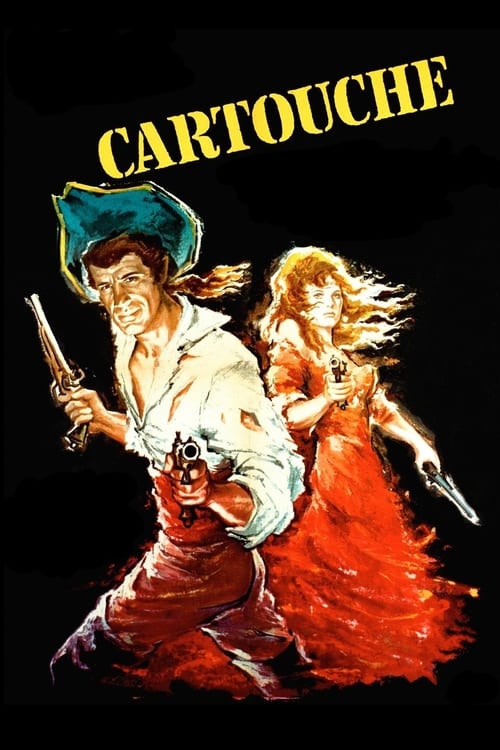
1962
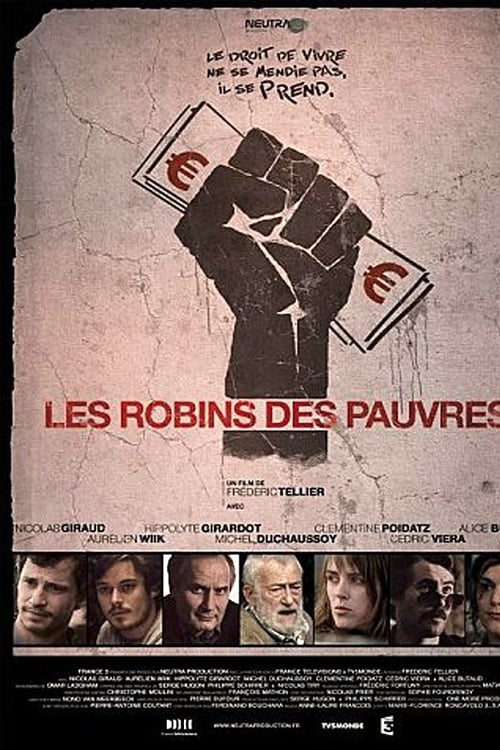
2011
1964

1950
1959
2013
1929
No reviews yet. Be the first to share your thoughts on this movie!
Use the rating form above to leave a star rating and optional review.