
Beware of the Car!
1966
No user ratings available yet
Representation score: 2.6 out of 10

Representation Score
Fair
1950
Director
Gilberto Martínez Solares
Runtime
100 minutes
Average Rating
No ratings yetNew Showbiz Analysis
The film is a significant cultural artifact that centers a non-Western, working-class perspective. It successfully disrupts standard cinematic clichés by prioritizing the struggles of underrepresented communities within a stratified social structure. However, the film lacks complexity in how different aspects of identity intersect. It relies on traditional gender roles and does not represent sexual identity or disability, reflecting the limited social frameworks of its time. Ultimately, its strength lies in its class-based subversion. By using a redistributive moral framework, it challenges the legitimacy of established economic institutions and authority.
Category Breakdown
The film does not include explicit LGBTQ+ characters or stories that challenge the assumption that everyone is straight. It focuses on class conflict typical of 1950s Mexican cinema.
The story emphasizes male characters' roles through a Robin Hood archetype. Female characters likely serve as romantic interests rather than primary drivers of the plot.
The film highlights a Latin American perspective by focusing on the experiences of people living in a local neighborhood. It elevates the roles of characters within a specific ethnic context.
The story critiques capitalist inequalities by presenting a protagonist who redistributes wealth. This promotes a communal ethic that challenges traditional views of property and authority.
There is no clear indication of how physical or neurodivergent disabilities are portrayed in this work.
Present on Screen
Limited or Absent
Official Synopsis
A poor man becomes a modern Robin Hood, robbing the rich to give to the poor.
1966
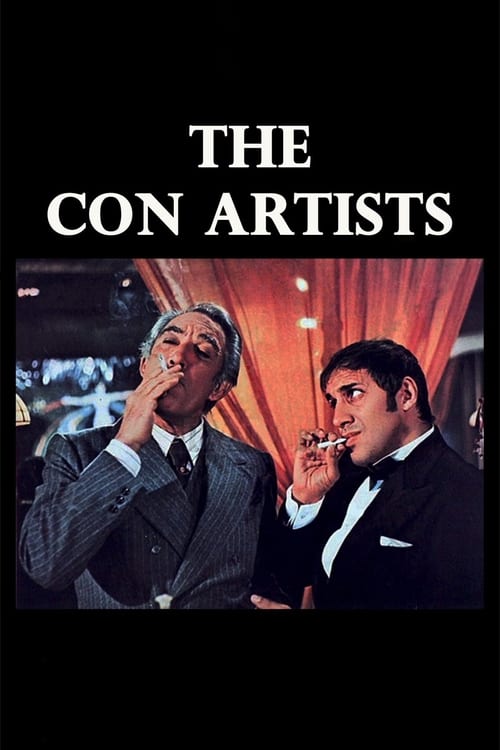
1976
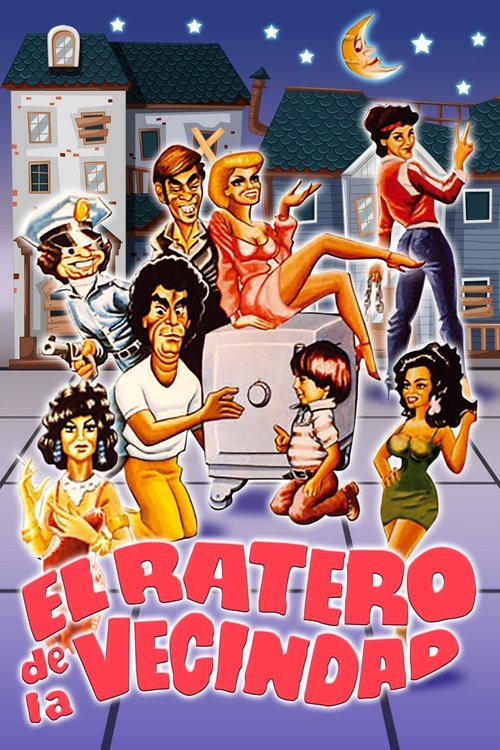
1982
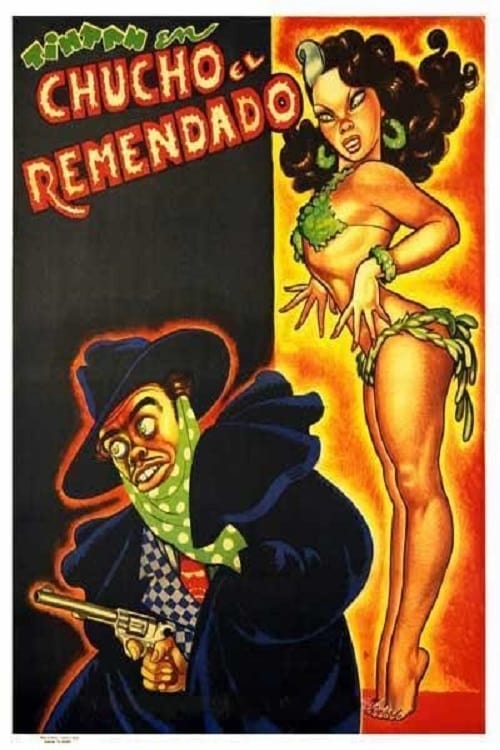
1952
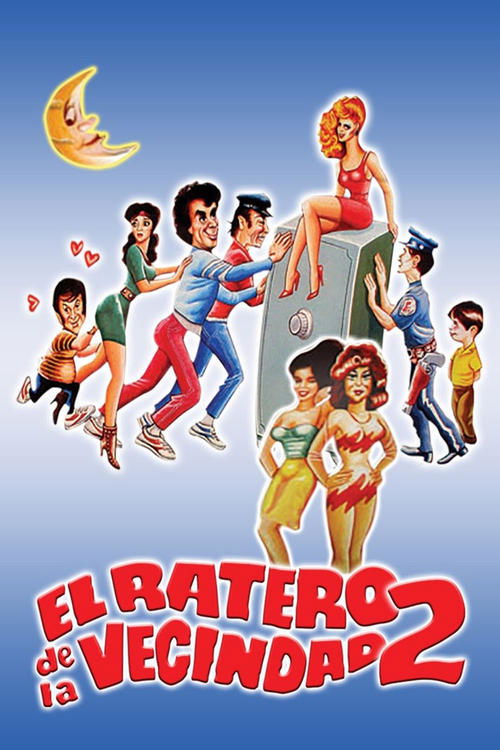
1985
1959
1967

1946
No reviews yet. Be the first to share your thoughts on this movie!
Use the rating form above to leave a star rating and optional review.