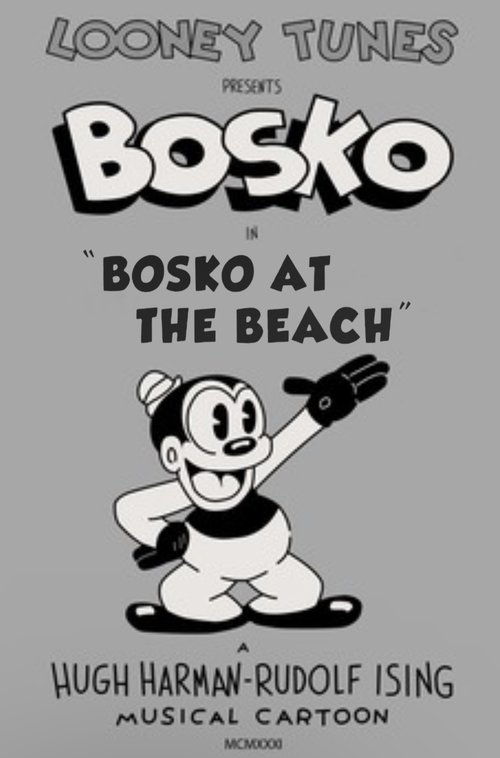
Bosko at the Beach
1932
No user ratings available yet
Representation score: 0.7 out of 10
Representation Score
Minimal
1933
Director
Hugh Harman, Friz Freleng
Runtime
7 minutes
Average Rating
No ratings yetNew Showbiz Analysis
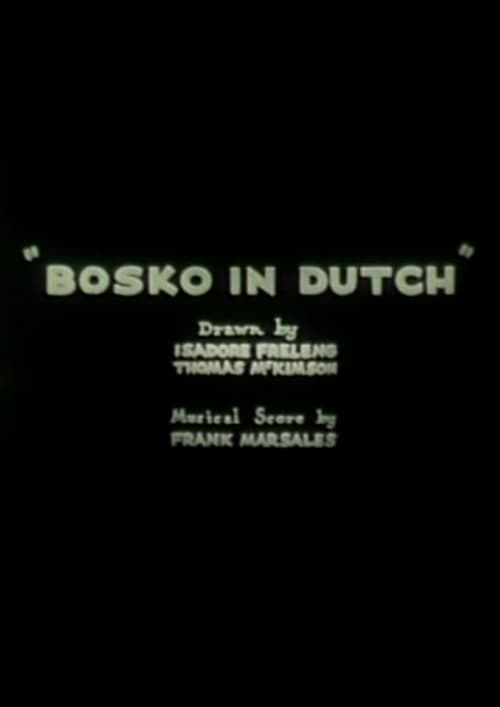
Bosko in Dutch reflects the social and visual norms of early 1930s animation. While having a Black lead was notable for the period, the portrayal is weakened by the era’s reliance on racial caricature and stereotypical shorthand. The film does not intentionally aim for progressive representation. Instead, it operates within established social hierarchies without attempting to challenge them, resulting in a narrative that avoids exploring complex identities. Ultimately, the lack of character-driven ability to act and the absence of diverse social dynamics contribute to a low diversity score.
Category Breakdown
The film does not include any representations of LGBTQ+ identities. The story focuses solely on a musical performance, leaving no room for queer narratives.
Gender dynamics are minimal since the story revolves around a single protagonist. There is no depiction of gendered conflicts or social interactions.
Bosko is a Black character, providing a degree of inclusion for the time. However, the animation uses exaggerated physical caricatures and racial stereotypes typical of the era.
The short adheres to traditional Western entertainment structures without questioning institutions such as religion or capitalism. It presents a conventional, non-challenging view of social order.
There is no representation of physical or neurodivergent disabilities in this short.
Present on Screen
Limited or Absent
Official Synopsis
Set on a frozen pond in Holland, various animals attempt to skate on the slippery ice.
1932
1931
1932
1931
1933
1932
1931
1933
No reviews yet. Be the first to share your thoughts on this movie!
Use the rating form above to leave a star rating and optional review.