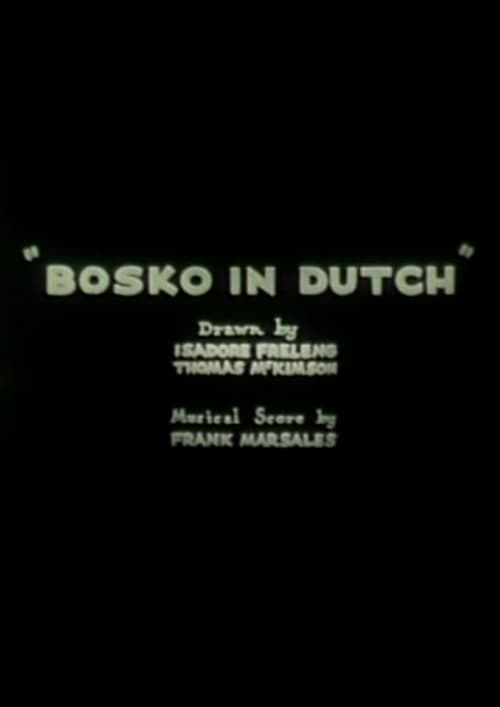
Bosko in Dutch
1933
No user ratings available yet
Representation score: 0.4 out of 10
Representation Score
Minimal
1932
Director
Rudolf Ising
Runtime
7 minutes
Average Rating
No ratings yetNew Showbiz Analysis
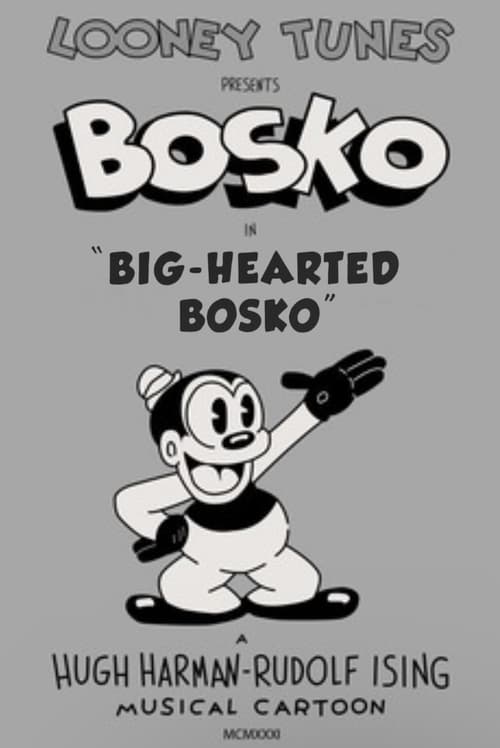
Big-Hearted Bosko is an early Looney Tunes animation that prioritizes musical rhythm over social complexity. While it is notable for featuring a Black lead during a period of limited representation, the portrayal is heavily influenced by the era's reliance on racial caricatures. The film's narrative structure revolves around slapstick humor and traditional domesticity, reflecting the conservative social norms of the 1930s. It adheres closely to established visual and character archetypes without attempting to challenge or subvert them.
Category Breakdown
The film does not include any LGBTQ+ characters or non-cisgender identities. The story centers around a single protagonist in a domestic setting, with no romantic or identity-related subtext.
Gender roles follow traditional early-century conventions. Female characters have little depth or ability to act and are used mainly as slapstick stereotypes within the era's conventional hierarchies.
Bosko is a rare Black protagonist in 1932 animation. However, his depiction relies on exaggerated features and racial caricatures typical of the time.
The story is set within a traditional rural Western context, emphasizing social cohesion and conventional moralistic caretaking without challenging Western institutions.
No visible or invisible disabilities are featured as central narrative elements or characters with ability to act.
Present on Screen
Limited or Absent
Official Synopsis
While ice-skating on a frozen pond, Bosko and his dog discover a baby abandoned in the snow.
1933
1931
1932
1931
1929
1931
1932
1931
No reviews yet. Be the first to share your thoughts on this movie!
Use the rating form above to leave a star rating and optional review.