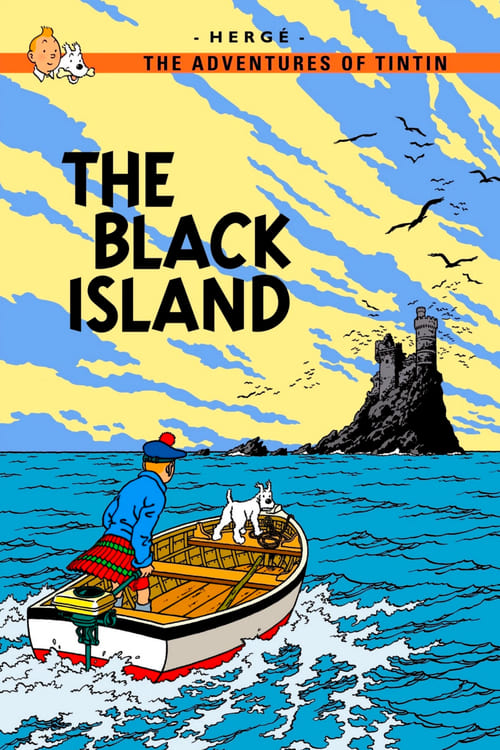
The Black Island
1991
No user ratings available yet
Representation score: 1.3 out of 10
Representation Score
Fair
1991
TV-GDirector
Stéphane Bernasconi
Runtime
43 minutes
Average Rating
No ratings yetNew Showbiz Analysis
The film introduces a more diverse cast than typical Western animation by featuring a range of ethnicities. However, it still frames diverse cultures through a colonial perspective, reinforcing historical gender roles without substantial challenge. Ultimately, the film presents a nuanced moral landscape while lacking significant representation of LGBTQ+ identities or characters with disabilities.
Category Breakdown
The film does not include any non-cisgender identities or same-sex relationships. Character dynamics follow traditional heterosexual norms.
Women play important roles in the mystery but their influence is tied to the male lead. Despite their active participation, the film upholds the gender hierarchies of the 1930s.
The story features a multi-ethnic cast in a setting that includes European and Asian characters. This mix breaks the typical homogeneity of Western animation by showcasing diverse ethnicities in Shanghai and Indochina.
The plot explores conflicts between Western institutions and local traditions. Villains are often portrayed as products of broader geopolitical tensions.
The film does not significantly address neurodivergence or physical disabilities. Characters are defined by their social or professional roles rather than by any lived experience with disability.
Present on Screen
Limited or Absent
Official Synopsis
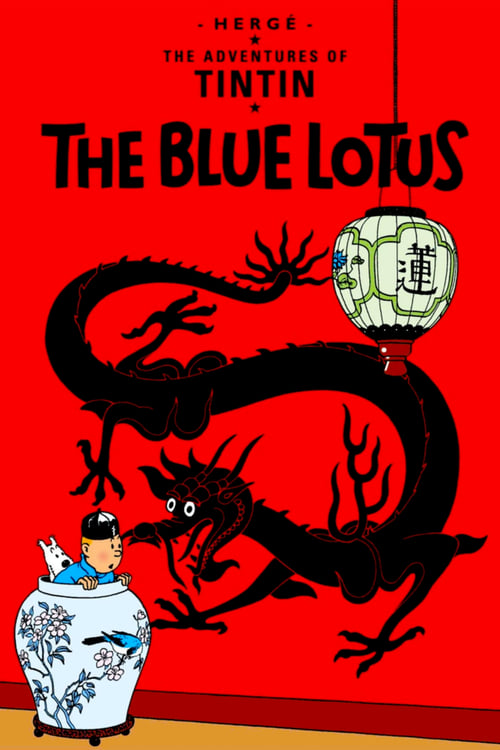
Tintin is visited in India by a Chinese gentleman who brings him a message. Then, an unseen marksman throws a poisonous dart right into his neck. The only clue Tintin receives from the now mad messenger is that there are problems in Shanghai related to a man named Mitsuhirato.
1991

2001
1991
1991
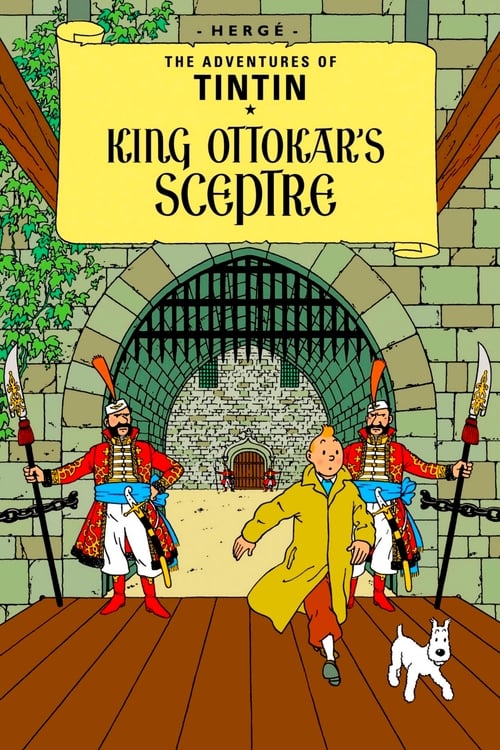
1992
1992
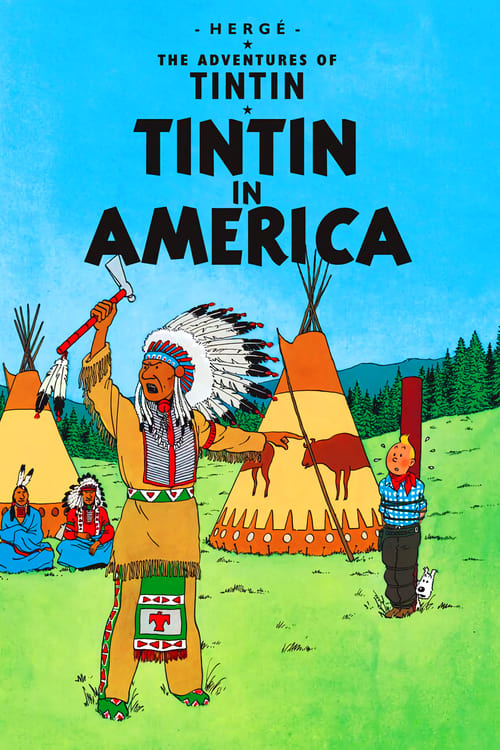
1992
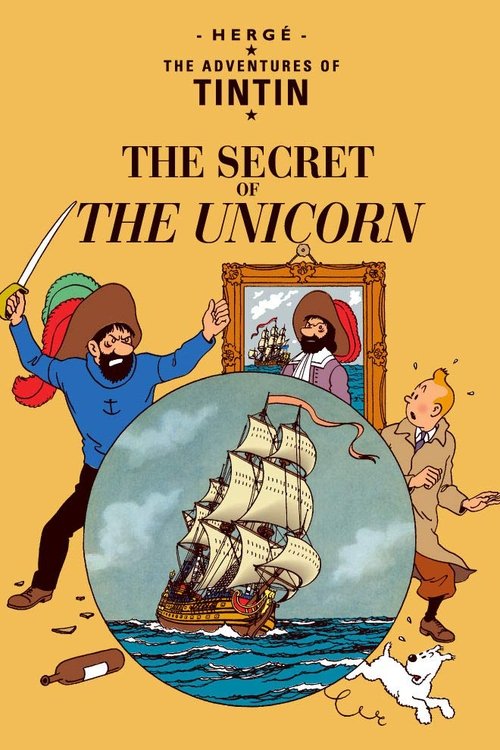
1991
No reviews yet. Be the first to share your thoughts on this movie!
Use the rating form above to leave a star rating and optional review.