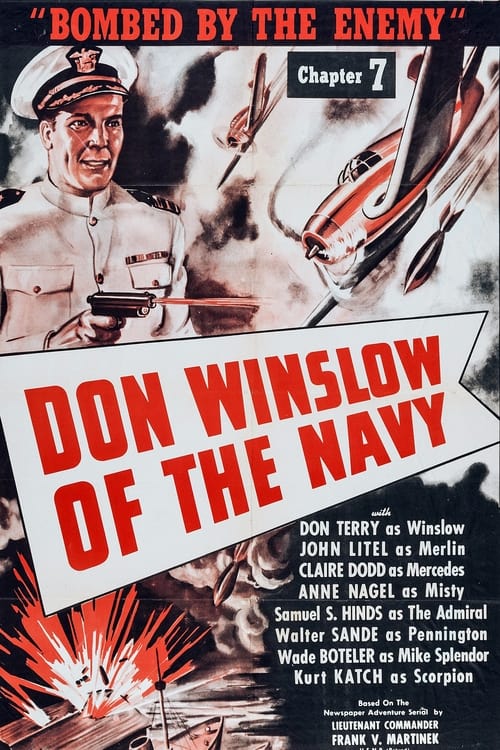
Don Winslow of the Navy
1942
No user ratings available yet
Representation score: 0.3 out of 10
Representation Score
Minimal
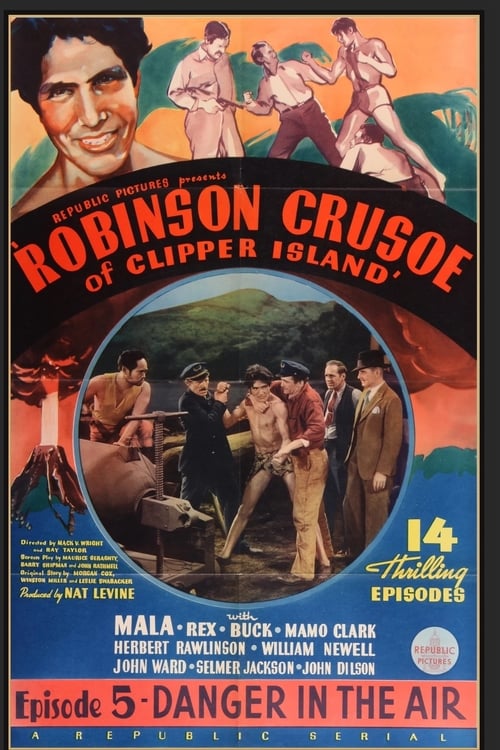
1936
ApprovedDirector
Ray Taylor, Mack V. Wright
Runtime
256 minutes
Average Rating
No ratings yetNew Showbiz Analysis
Robinson Crusoe of Clipper Island is a product of its time, using standard 1930s adventure stories. While it introduces a Polynesian protagonist, the narrative remains centered around Western competence and colonial perspectives. Power structures favor traditional hierarchies, with U.S. Intelligence playing a stabilizing role in local matters. This framework restricts the depth of cultural and gender representation. Overall, the serial follows a conventional hero’s journey that prioritizes Western competence over nuanced indigenous or diverse social exploration.
Category Breakdown
The film does not include any LGBTQ+ characters or non-straight relationships. It follows traditional adventure stories typical of the 1930s.
Princess Melani holds a position of local authority, giving her some influence. However, her role mainly supports the male protagonist’s main quest.
The protagonist, Mala, is Polynesian, offering a break from purely Eurocentric casts. However, the plot is set within a colonial context involving U.S. Intelligence.
The story uses a Polynesian setting as a backdrop for Western-led investigative clichés. It relies on simple morality without delving into complex indigenous systems.
The film does not feature any characters with visible or invisible disabilities.
Present on Screen
Limited or Absent
Official Synopsis
A 14-episode serial in which Mala, a Polynesian in the employ of U.S. Intelligence investigates sabotage on Clipper Island. A gang of spies causes the eruption of a volcano, for which our hero is blamed. He convinces the local Princess Melani of his innocence and helps her ward off a takeover by rival high priest Porotu.
1942
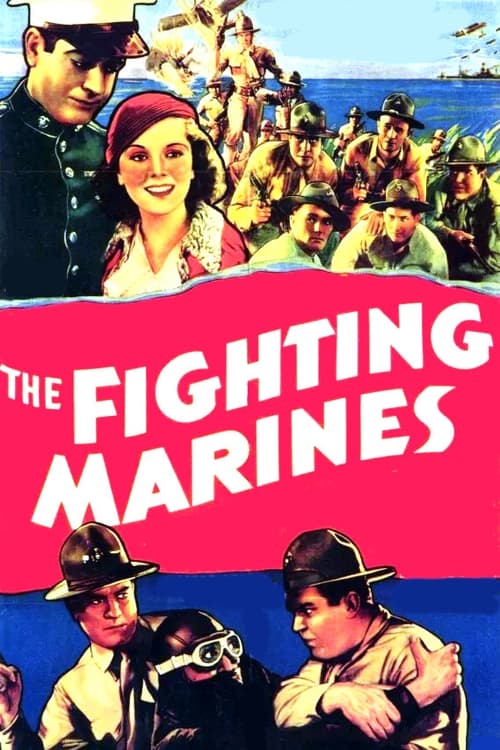
1935

1935
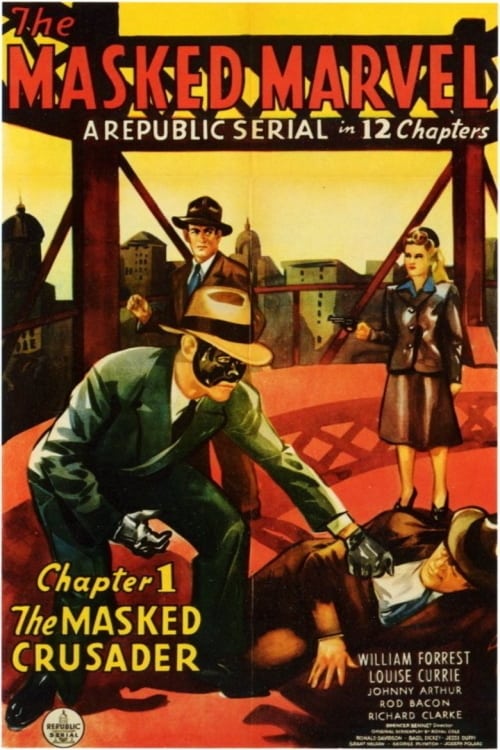
1943
1944
1939

1935
1941
No reviews yet. Be the first to share your thoughts on this movie!
Use the rating form above to leave a star rating and optional review.