Captain Midnight
1942
No user ratings available yet
Representation score: 1.3 out of 10
Representation Score
Minimal
1943
NRDirector
Spencer Gordon Bennet
Runtime
197 minutes
Average Rating
No ratings yetNew Showbiz Analysis
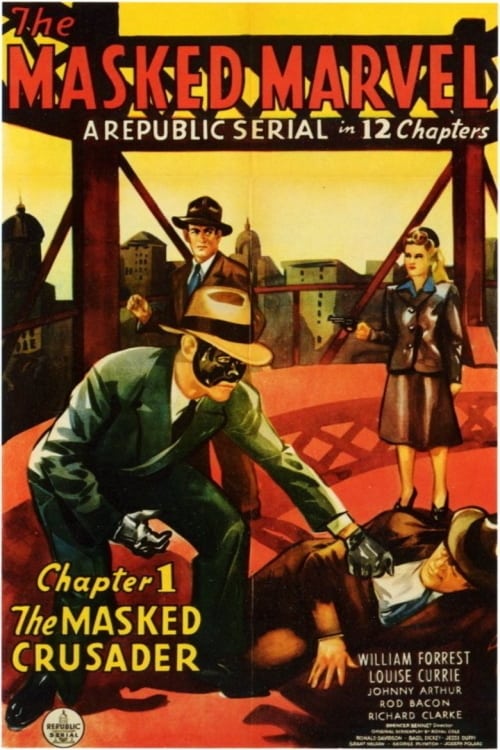
The Masked Marvel is a classic product of its time, adhering to the standard pulp-adventure genre conventions of the 1940s. The narrative relies on traditional vigilante clichés and clear-cut morality. By following the commercial genre conventions of the era, the film does not challenge conventional expectations about identity. It serves as a baseline for the traditional cinematic structures of the period.
Category Breakdown
The serial does not include any non-cisgender or non-straight identities. There are no queer characters or subtext suggesting anything beyond traditional heterosexual relationships.
The male protagonist dominates the narrative, while female characters play supporting roles and rarely drive the plot themselves.
The production is very homogeneous, typical of 1940s Republic Pictures. There are no characters of color with significant roles or high ability to act.
The film upholds traditional Western values and order. It presents a clear moral framework with the virtuous investigator versus the evil antagonist.
There are no characters with visible or invisible disabilities given significant roles or ability to act. The focus remains on the physical perfection needed for pulp adventure.
Present on Screen
Limited or Absent
Official Synopsis
A team of two-fisted insurance investigators (one of whom disguises himself as The Masked Marvel) endeavor to discover and thwart the loathsome saboteur Sakima.
1942
1942
1941

1942
1943
1966
1943
1940
No reviews yet. Be the first to share your thoughts on this movie!
Use the rating form above to leave a star rating and optional review.