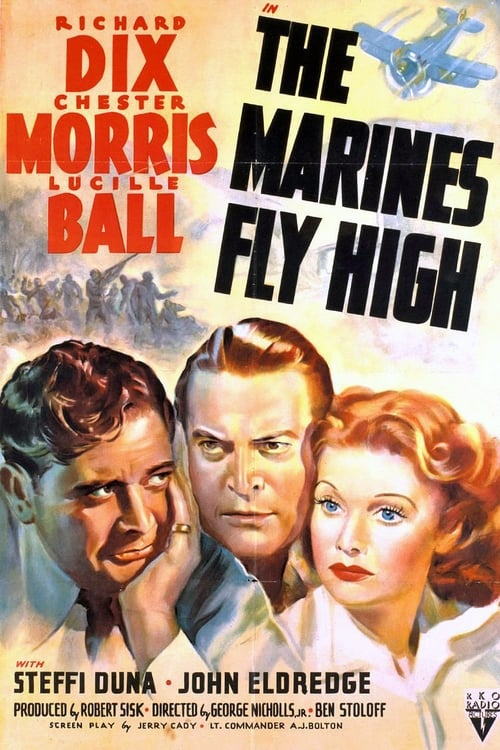
The Marines Fly High
1940
No user ratings available yet
Representation score: 0.3 out of 10
Representation Score
Minimal
1935
ApprovedDirector
Joseph Kane, B. Reeves Eason
Runtime
216 minutes
Average Rating
No ratings yetNew Showbiz Analysis
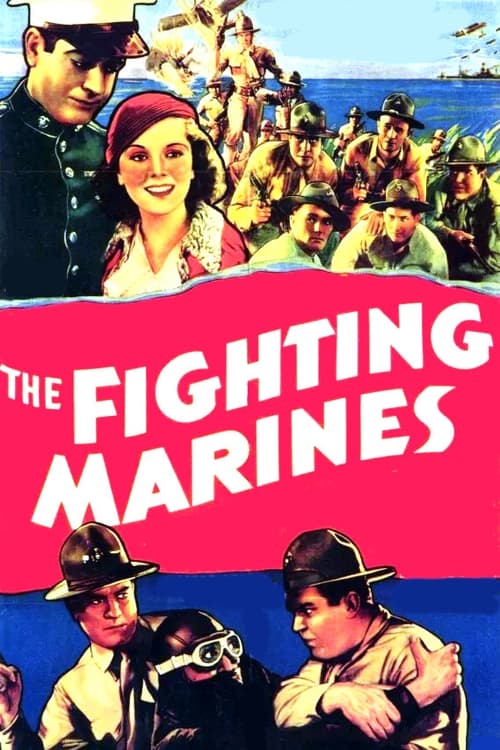
The Fighting Marines is a standard 1930s action adventure that adheres to the era's conventional storytelling. It relies on established clichés to drive a hero-versus-villain dynamic centered on Western military identity. The film lacks complexity in reflecting multiple aspects of identity, focusing instead on a traditional romantic rivalry and a mission of rescue. This structure reinforces existing social hierarchies rather than challenging them. Ultimately, the production serves as a product of its historical context, prioritizing linear heroism and institutional authority over diverse or nuanced characterizations.
Category Breakdown
The film operates within a strictly straight-centered framework. The plot centers on a traditional romantic rivalry between two men for a female lead.
The male protagonists drive the action, while the female lead primarily serves as a passive object of romantic competition.
The Pacific jungle setting risks exoticizing the landscape. The narrative appears to prioritize a Western-centric perspective of exploration and conflict.
The story reinforces Western institutional values through military patriotism. It presents a clear moral binary between disciplined soldiers and a rogue scientist.
No visible or invisible disabilities are portrayed. Characters are defined by the physical capabilities required for action-adventure roles.
Present on Screen
Limited or Absent
Official Synopsis
Corporal Larry Grant and Sergeant "Mac" McGowan, of the United States Marine Corps, are rival for the love of Frances Schiller, but team up to hunt down "The Tiger Shark," a mad, scientific wizard who is holding Sergeant William Schiller, Frances' brother, a prisoner on a wild, jungle island in the Pacific.
1940
1936

1937

1932
1936
1941

1934
1933
No reviews yet. Be the first to share your thoughts on this movie!
Use the rating form above to leave a star rating and optional review.