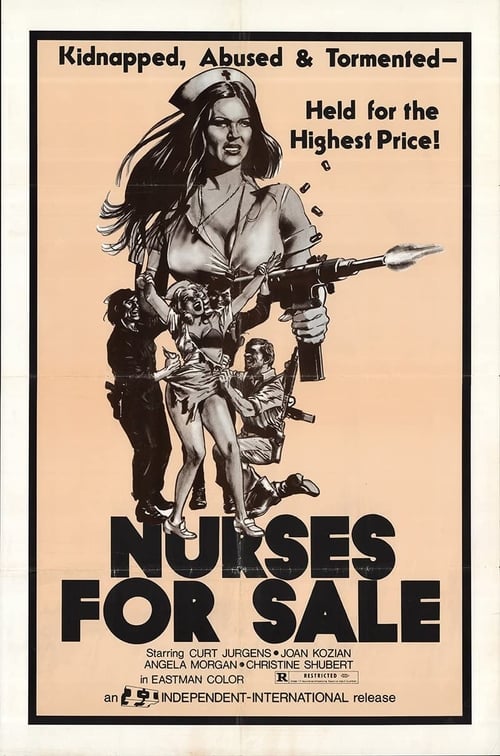
Nurses for Sale
1971
No user ratings available yet
Diversity score: 3.1 out of 10
No Poster Available
1939
ApprovedDirector
Harry S. Webb
Runtime
58 minutes
Average Rating
No ratings yetSynopsis
A group of American adventurers discover a bed of black pearls off a South Pacific island. When one of them is shot dead, a young girl in the group is accused of the crime.
Overall Score
Limited
Category Breakdown
LGBTQ+ Representation
The film lacks any evidence of non-cisnormative identities or same-sex intimacy. The focus on American adventurers suggests a standard heteronormative framework.
Gender Representation
A young girl serves as the narrative's focal point through a criminal accusation. However, her role appears defined by victimization rather than true agency.
Racial & Ethnic Diversity
While set in the South Pacific, the primary agency belongs to American adventurers. This suggests a Western-centric lens that likely sidelines indigenous populations.
Religious & Cultural Diversity
The plot follows a conventional adventure structure centered on the pursuit of black pearls. It lacks any critique of Western institutions or cultural complexities.
Disability Representation
There is no information regarding characters with visible or invisible disabilities.
Strengths
Areas for Improvement
AI Analysis
Port of Hate is a product of its 1939 era, adhering to the conventional adventure structures of the late 1930s. The narrative is driven by Western protagonists seeking material wealth, which limits the depth of its cultural engagement. The film's perspective is heavily Western-centric. By centering the story on American adventurers in a South Pacific setting, the film likely treats the locale as an aesthetic backdrop rather than a space for meaningful indigenous representation. Character roles remain traditional and reactive. The central female character is defined by legal peril and accusation, fitting the period's tendency toward protective or victimized female archetypes rather than complex, intersectional storytelling.
1971

1929
1934

1942

1935

1953
1925

1949

1949

1942
1946

1950
No reviews yet. Be the first to share your thoughts on this movie!
Use the rating form above to leave a star rating and optional review.