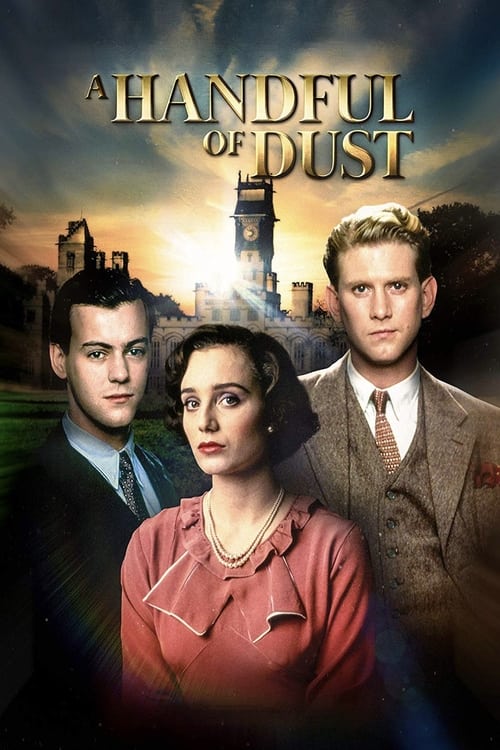
A Handful of Dust
1988
No user ratings available yet
Representation score: 4.0 out of 10
Representation Score
Fair
1967
NRDirector
Joseph Losey
Runtime
105 minutes
Average Rating
No ratings yetNew Showbiz Analysis
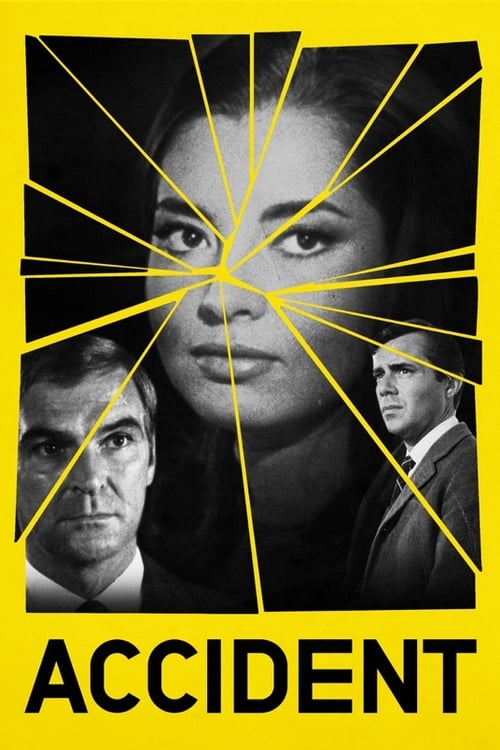
Accident is a psychological exploration of existential alienation and the erosion of bourgeois stability. Despite its lack of demographic diversity, it offers a critical look at traditional social and domestic institutions through its focus on fragmentation and chaos. The film is set in the homogeneous context of the British upper-middle class in 1967, lacking diverse representation. It primarily features white, straight-centered characters. Its strength lies in its narrative structure, which challenges the perceived security of the era's social structures, even without explicit political statements.
Category Breakdown
The film focuses on traditional heterosexual relationships and marital issues. It does not include diverse gender identities or challenge assumptions about straight relationships.
The story avoids typical gender roles and hierarchical family structures, emphasizing communication breakdowns and individual psychological isolation.
The cast and setting are predominantly white and upper-middle class, with little engagement with racial or ethnic diversity.
The film critiques middle-class structures and bourgeois institutions, highlighting moral ambiguity and the instability of social order.
The film does not significantly address visible or invisible disabilities. Mental instability is portrayed as a symptom of urban alienation rather than a representation of neurodivergence.
Present on Screen
Limited or Absent
Official Synopsis
Stephen is a professor at Oxford University who is caught in a rut and feels trapped by his life in both academia and marriage. One of his students, William, is engaged to the beautiful Anna, and Stephen becomes enamored of the younger woman. These three people become linked together by a horrible car crash, with flashbacks providing details into the lives of each person and their connection to the others in this brooding English drama.
1988
1980

1981
1960
1969

1943
1960
1971
No reviews yet. Be the first to share your thoughts on this movie!
Use the rating form above to leave a star rating and optional review.