
The Day I Died: Unclosed Case
2020
No user ratings available yet
Representation score: 7.9 out of 10
Representation Score
Fair
2015
PG-13Director
Ahn Sang-hoon
Runtime
112 minutes
Average Rating
No ratings yetNew Showbiz Analysis
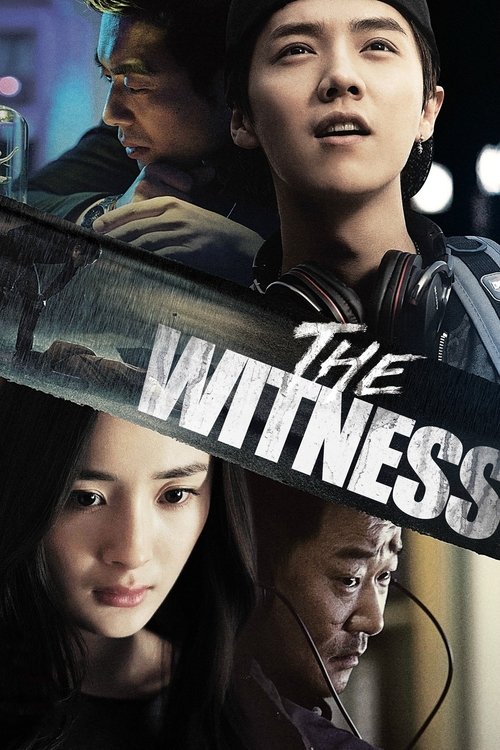
The Witness stands out as a genre piece that successfully integrates disability into its core mechanics. By making the protagonist's non-visual perception a vital tool for solving the mystery, the film avoids treating impairment as mere pathos. While the film excels in disability representation, it remains limited in other areas of representation. The narrative lacks LGBTQ+ identities and maintains a relatively conventional distribution of ability to act regarding gendered roles. Ultimately, the film is a culturally specific South Korean thriller. It provides a sophisticated look at human perception and urban isolation without attempting to dismantle broader systemic or social hierarchies.
Category Breakdown
The film does not include any LGBTQ+ characters or storylines. The narrative focuses on the psychological tension of the crime and the survival of the protagonists.
A blind female protagonist drives the investigation, challenging the idea of the vulnerable female victim. However, the narrative still centers heavily on the male witness's psychological survival.
Set in Seoul, the film features a predominantly Korean cast. It offers a culturally specific, non-Western perspective on urban crime and social isolation.
The story critiques urban alienation and social fragmentation in a modern metropolitan setting. It follows a traditional justice-seeking framework rather than deconstructing social institutions.
The film gives a significant role in driving the story to a blind character whose sensory abilities are crucial to the plot. It avoids portraying disability as mere inspiration by integrating it into the character's competence.
Present on Screen
Limited or Absent
Official Synopsis
A blind woman and a delivery boy attempt to solve a hit-and-run case the police have been unable to solve.
2020
2011
2018
1999
2025
1980
2026
2014
No reviews yet. Be the first to share your thoughts on this movie!
Use the rating form above to leave a star rating and optional review.