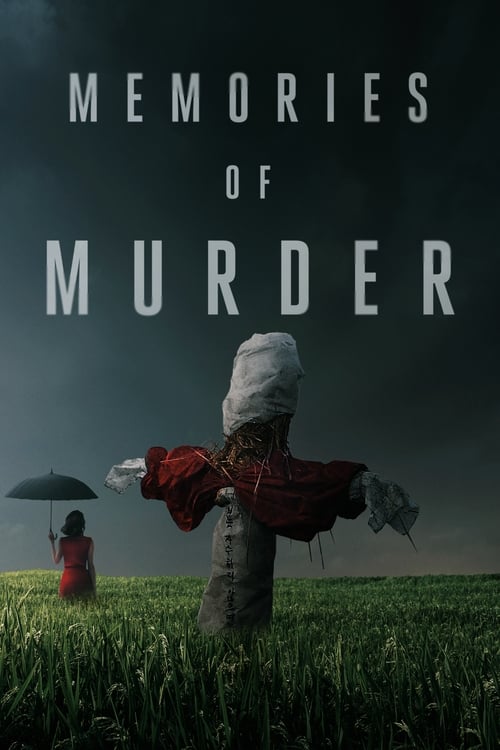
Memories of Murder
2003
No user ratings available yet
Representation score: 4.1 out of 10
Representation Score
Limited
1980
Director
Lee Doo-yong
Runtime
158 minutes
Average Rating
No ratings yetNew Showbiz Analysis
The film serves as a historical critique rather than a study in demographic diversity. It uses a mystery framework to explore the human cost of ideological warfare and the fragmentation of the family unit. While the film lacks modern markers of diversity, it excels in cultural complexity. It disrupts simple patriotic narratives by highlighting the chaos and treachery inherent in military and political structures during the Korean War. Ultimately, the work prioritizes systemic and historical depth over contemporary representation, reflecting the social constraints and traditional hierarchies of its era.
Category Breakdown
The film does not include any non-traditional gender identities or same-sex relationships. It focuses on wartime survival and political fallout within a traditional social framework.
The story centers around male detectives and guerrillas. Although Son Ji-hye is central to the mystery, her role is tied to patriarchal inheritance and the consequences of wartime violence.
As a South Korean production, the cast is culturally homogeneous. The film avoids external racial stereotypes, focusing instead on internal ethnic and political divisions.
The story provides a sophisticated critique of systemic failures and authoritarian structures. It explores class struggle and the instability of social hierarchies during ideological conflict.
There is no discernible evidence regarding the portrayal of physical or neurodivergent disabilities within the narrative.
Present on Screen
Limited or Absent
Official Synopsis
Detective Oh goes searching for the murderer of Yang, a small-time brewer bludgeoned to death by a quiet riverside with no witnesses, no apparent motive. As he wanders about the winter landscape of South Jeolla Province and Seoul, he finds himself caught in a story of treachery, rape and murder.
2003

2017
2009
2018
2019
2019
2015
1958
No reviews yet. Be the first to share your thoughts on this movie!
Use the rating form above to leave a star rating and optional review.