Citizen Jane
2009
No user ratings available yet
Representation score: 2.9 out of 10
Representation Score
Fair
2006
RDirector
Cate Shortland
Runtime
110 minutes
Average Rating
No ratings yetNew Showbiz Analysis
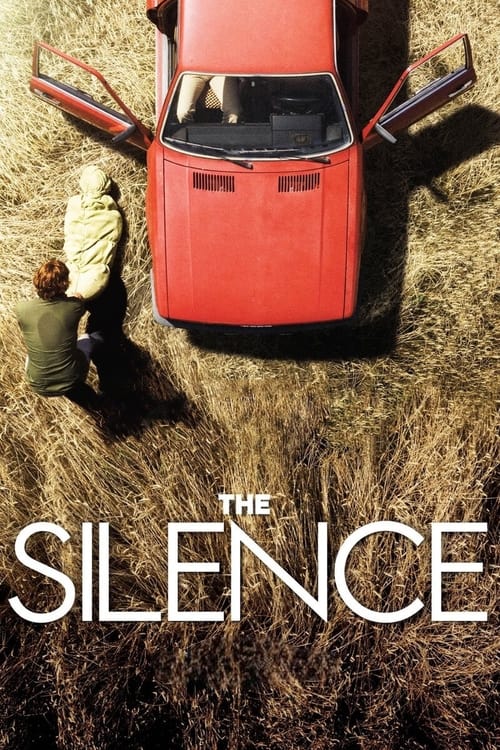
The Silence is a sophisticated character study that prioritizes psychological interiority over broad social representation. It excels at deconstructing the self through a postmodern lens, focusing on how trauma reshapes identity. While the film lacks breadth in racial and LGBTQ+ inclusion, it succeeds in its intentional handling of character's ability to drive the story. It avoids traditional clichés by focusing on the instability of the domestic sphere and the fragility of human connection. Ultimately, the work functions as a deep dive into psychological survival rather than a diverse ensemble piece, making its impact highly specific to the protagonist's internal experience.
Category Breakdown
The film lacks prominent LGBTQ+ characters or relationships that aren't strictly heterosexual. The narrative focuses solely on the central heterosexual relationship between Jenny and Peter.
The story disrupts conventional gender hierarchies by centering on the female protagonist's internal struggle. It avoids traditional masculine leadership clichés, emphasizing the protagonist's internal conflict over stability.
The cast is predominantly white, reflecting a homogeneous Australian social environment. The film lacks diversity within its main character arcs.
The narrative explores subjective reality rather than institutional moral codes. It examines the breakdown of traditional Western institutions like the family unit and law enforcement.
The film offers a nuanced portrayal of invisible disabilities through neurodivergence and PTSD. Fragmented timelines immerse the viewer in the protagonist's fractured cognitive state.
Present on Screen
Limited or Absent
Official Synopsis
A police officer reassigned to curate a photography exhibition finds links between a series of murders.
2009
2015

1995
2009

2010
2010
2007
2014
No reviews yet. Be the first to share your thoughts on this movie!
Use the rating form above to leave a star rating and optional review.