
Secret
2009
No user ratings available yet
Representation score: 2.3 out of 10
Representation Score
Limited
1999
RDirector
Chang Youn-hyun
Runtime
118 minutes
Average Rating
No ratings yetNew Showbiz Analysis
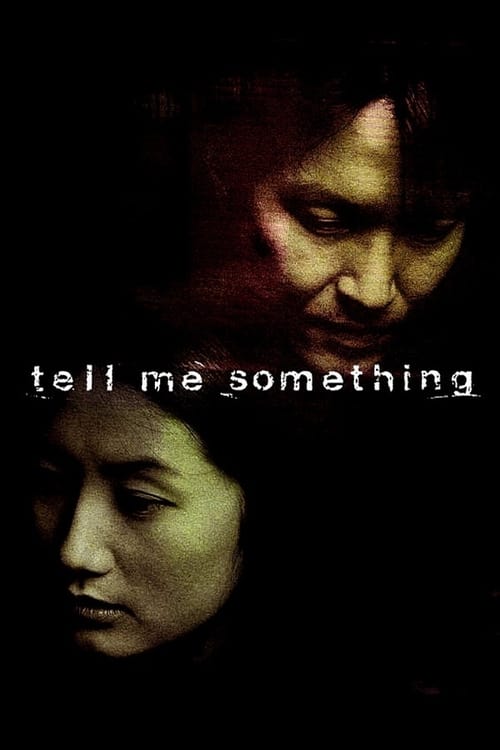
Tell Me Something is a genre-driven thriller that closely follows the conventions of late-90s South Korean melodrama. The film prioritizes intense emotional arcs and established social hierarchies, limiting its engagement with diverse or multi-layered identities. While the film maintains cultural authenticity to its setting, it does not attempt to challenge traditional gender roles or explore non-normative identities. Character dynamics rely heavily on established archetypes, particularly regarding the roles of the male and female leads. Ultimately, the film functions as a character-driven tragedy. It focuses on individualistic struggles and the inevitability of death rather than challenging systemic norms or providing broad representation.
Category Breakdown
The film does not include any LGBTQ+ characters or non-assuming gender matches what was assigned at birth identities. It centers on traditional romantic relationships within a melodramatic storyline.
The story relies on traditional gender roles. The male protagonist leads the investigation, while the female lead is primarily defined by her physical vulnerability and illness.
The cast is culturally uniform, reflecting its South Korean setting. While the film maintains cultural authenticity, it does not aim to disrupt ethnic homogeneity.
The story emphasizes individual emotional struggles and mortality. It aligns with traditional sentimentality rather than critiquing institutional power structures.
A terminal illness serves as a central plot device to create emotional stakes. This approach uses medical conditions mainly as a tool for emotional impact rather than giving characters ability to act.
Present on Screen
Limited or Absent
Official Synopsis
Detective Cho, a cop on the edge, is mourning his mother's recent death while under investigation for graft; on top of that he is suddenly put in charge of a seemingly-impenetrable mystery.
2009

2017

2005

2018
2015

2001

2004

2015
No reviews yet. Be the first to share your thoughts on this movie!
Use the rating form above to leave a star rating and optional review.