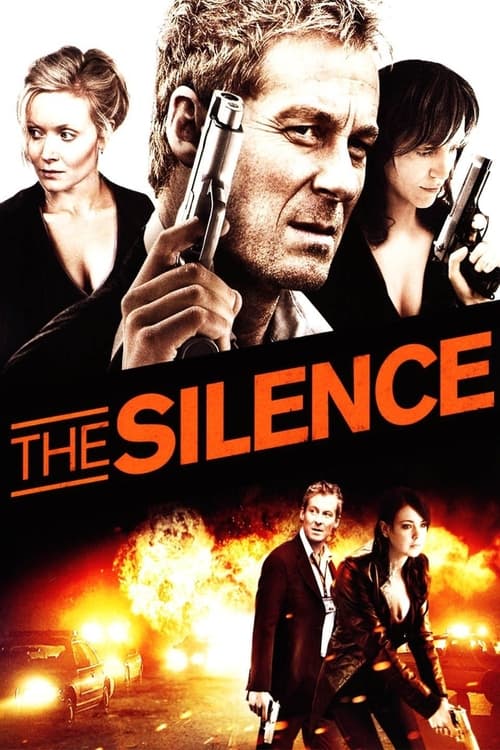
The Silence
2006
No user ratings available yet
Diversity score: 4.2 out of 10

2015
Director
Brigitte Bertele
Runtime
89 minutes
Average Rating
No ratings yetSynopsis
One morning, a Japanese monk shows up in a village: He does not speak a word, has a head injury and is evidently on the run. Chief Inspector Louise Bonì immediately senses that the young man is in grave danger. However, her supervisor Bermann does not believe her word - because since a deadly use Bonì is psychologically struck and is mainly due to an alcohol problem. Nevertheless, she continues to investigate on her own. The trail leads to a mysterious Zen monastery and a private children's aid organization, which mediates Asian adopted children. Soon Louise awakens a terrible suspicion.
Overall Score
Fair
Category Breakdown
LGBTQ+ Representation
The film contains no explicit mention of LGBTQ+ characters or non-cisnormative identities. The narrative does not appear to address themes of heteronormativity.
Gender Representation
Chief Inspector Louise Bonì disrupts traditional detective tropes by centering the story on a female lead. She maintains intellectual superiority over her male supervisor, challenging conventional gender hierarchies.
Racial & Ethnic Diversity
A Japanese monk serves as a primary narrative catalyst, introducing non-Western presence. The plot explores cross-cultural complexity through an organization mediating Asian adoption.
Religious & Cultural Diversity
The story critiques established institutions by prioritizing individual truth over hierarchy. It explores moral ambiguity through an investigation into a children's aid organization.
Disability Representation
Louise Bonì navigates mental health and alcohol dependency challenges. While leaning into the 'troubled investigator' trope, the film uses her psychological state to drive her character arc.
Strengths
Areas for Improvement
AI Analysis
Zen and the Art of Murder functions as a psychological crime mystery that uses cross-cultural elements to drive its plot. The film succeeds in subverting traditional authority structures by positioning a female protagonist against a dismissive male hierarchy. However, the representation of personal struggle relies on familiar tropes, specifically the 'troubled investigator' archetype. While the inclusion of Asian cultural elements adds necessary complexity, the film lacks engagement with LGBTQ+ identities. Ultimately, the film provides a multi-layered narrative by blending a European procedural framework with themes of international adoption and institutional corruption.
2006

2011

2019
2009

1987
2018

2012

2004
2006

2022
No reviews yet. Be the first to share your thoughts on this movie!
Use the rating form above to leave a star rating and optional review.