The Box
2021
No user ratings available yet
Representation score: 7.9 out of 10
Representation Score
Excellent
2019
TV-MADirector
Luis Fernando Frías de la Parra
Runtime
112 minutes
Average Rating
No ratings yetNew Showbiz Analysis
Luis Fernando Frías de la Parra delivers a sensory exploration of displacement that succeeds through its deep cultural specificity. By centering the cumbia rebajada subculture, the film moves beyond a standard migrant story to offer a profound post-colonial critique of systemic failures. The work excels in its portrayal of Mexican working-class life and the nuances of the immigrant experience. It effectively disrupts Western-centric perspectives by treating local cultural nuances as the primary lens of the cinematic experience rather than an exoticized 'other'. However, the film's impact is somewhat limited by a lack of diversity in gender and LGBTQ+ representation. While it subverts certain masculine archetypes, the absence of explicit queer identities or characters with disabilities results in a narrower social scope.
Category Breakdown
The film focuses on peer relationships and musical identity rather than explicit queer narratives. It avoids traditional heterosexual norms by highlighting non-traditional social structures, but it doesn't include overt depictions of same-sex intimacy or non-binary gender identities.
The story challenges traditional masculinity by emphasizing vulnerability and artistic expression instead of the provider archetype. While it lacks strong female roles, it avoids reinforcing patriarchal hierarchies by showing a chaotic, precarious social environment.
The film provides an authentic portrayal of Mexican working-class identity and the immigrant experience. It uses cumbia rebajada subculture to show how underrepresented groups reclaim ability to act through specific aesthetic and sonic expressions.
The narrative offers a sophisticated critique of border politics and the dehumanizing nature of migration. It challenges the American Dream by framing survival within broken systemic structures as a complex, subjective morality.
There are no prominent characters with visible or invisible disabilities. The narrative focus remains strictly on the socioeconomic and migratory struggles of the youth collective.
Present on Screen
Limited or Absent
Official Synopsis
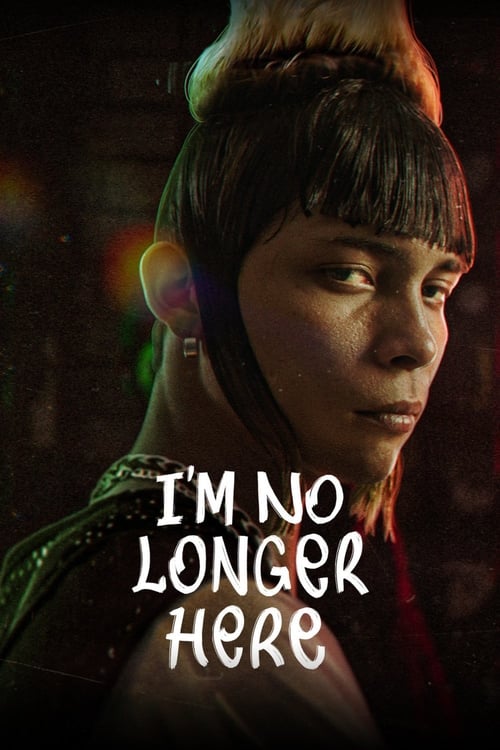
In Monterrey, Mexico, a young street gang spends their days dancing to slowed-down cumbia and attending parties. After a mix-up with a local cartel, their leader is forced to migrate to the U.S. but quickly longs to return home.
2021

2019
2014
2013

2012
2014
2017
2009
No reviews yet. Be the first to share your thoughts on this movie!
Use the rating form above to leave a star rating and optional review.